
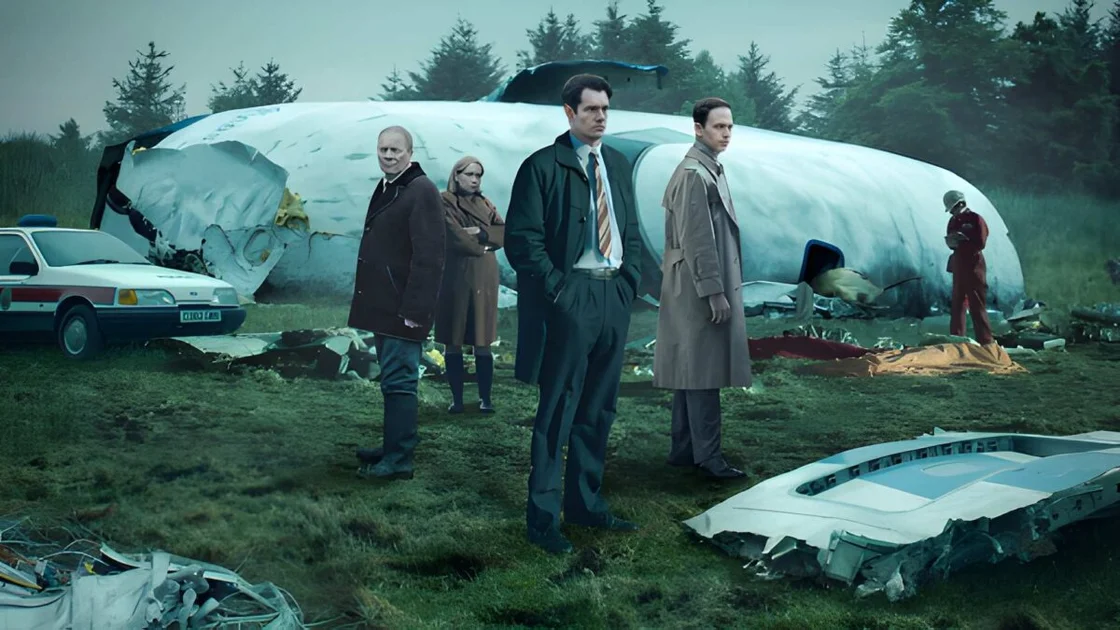
A New Spotlight on Britain's Deadliest Terror Attack
A new Netflix limited series, The Bombing of Pan Am 103, is bringing the 1988 Lockerbie disaster back into the global spotlight. Released this week, the six-part drama re-examines the bombing of Pan Am Flight 103, which killed 270 people over the Scottish town of Lockerbie on December 21, 1988. The series is prompting renewed scrutiny of the investigation, the controversial trial, and the unanswered questions that still haunt victims' families.
The show, a BBC and Netflix co-production, focuses on the massive murder inquiry that followed the attack, offering a dramatized look at how investigators pieced together evidence from a debris field spanning 845 square miles. It culminates with the 2001 conviction of Abdelbaset al-Megrahi, a Libyan intelligence operative, but also highlights the doubts that persist in the case.
The Attack and Its Aftermath
At 7:03 PM on December 21, 1988, a bomb hidden in a radio-cassette player inside a Samsonite suitcase detonated in the cargo hold of Pan Am Flight 103, a Boeing 747 named Clipper Maid of the Seas. The plane, en route from Heathrow to New York's JFK Airport, was flying over Lockerbie at 31,000 feet when the explosion tore a hole in its left side. Within seconds, the forward fuselage sheared off, and the rest of the aircraft disintegrated into three main sections. The wings and center fuselage, still carrying about 100 tons of jet fuel, plunged onto Lockerbie's Sherwood Crescent, carving a crater over 150 feet long and igniting a massive fireball. All 259 passengers and crew were killed, along with 11 people on the ground. Many victims were found still strapped into their seats; some were never recovered.
The majority of the dead were American citizens, including 35 Syracuse University students returning from a study abroad program. The wreckage covered a massive area, creating what the FBI called the largest crime scene in its history. The investigation, a transatlantic partnership between Scotland's smallest police force, Dumfries and Galloway Constabulary, and the FBI, was the largest murder inquiry in Scottish history. Investigators quickly ruled out mechanical failure and focused on a bomb, eventually tracing fragments to a Toshiba radio-cassette player packed in a Samsonite suitcase. They also linked the bomb's timer to a Swiss manufacturer and a shirt found in the suitcase to a shop in Malta.
The Long Road to a Single Conviction
The Trial and Its Controversy
Following years of diplomatic maneuvering, Libyan leader Muammar Gaddafi surrendered two intelligence operatives, Abdelbaset al-Megrahi and Lamin Fhimah, to the United Nations in April 1999. Under a compromise, they faced trial on neutral ground at a former U.S. military base in the Netherlands, conducted under Scots law. In 2001, al-Megrahi was found guilty of murder and sentenced to life imprisonment, while Fhimah was acquitted. Al-Megrahi was the only person ever convicted in connection with the bombing. The prosecution's case relied heavily on the testimony of Maltese shopkeeper Tony Gauci, who identified al-Megrahi as the buyer of clothing found in the bomb suitcase, and evidence of a fake Libyan-issued passport. However, critics point to weaknesses in the case, including Gauci's unreliable identification and the lack of direct evidence linking al-Megrahi to the bomb itself. Al-Megrahi always maintained his innocence, and his conviction was later called into question by some legal observers. He was released from prison in 2009 on compassionate grounds, suffering from prostate cancer, and died in 2012.
The new series arrives as interest in the Lockerbie case has been revived by recent media coverage, including documentaries and podcasts, and by ongoing efforts to hold other parties accountable. In 2022, the U.S. Department of Justice announced charges against a third Libyan suspect, Abu Agila Masud, but he has not yet been extradited. The families of victims continue to demand a full accounting, and the Scottish Crown Office has faced pressure to release more information.
A Cautionary Tale for International Justice
The Lockerbie bombing remains a seminal event in the history of terrorism and aviation security. It was the deadliest terrorist attack on UK soil, and it fundamentally changed airport security procedures worldwide. The use of unaccompanied luggage, the bomb's concealment in a radio-cassette player, and the ability of a state-sponsored intelligence service to operate with impunity highlighted vulnerabilities that have since been addressed through international cooperation. The investigation and trial also set precedents for cross-border policing and the use of neutral-ground tribunals, though the controversies surrounding the conviction temper its legacy.
The Netflix series does not just revisit the tragedy; it raises broader questions about justice, the limits of forensic evidence, and the political pressures that shape international law. As the last surviving victims' relatives age, the demand for truth remains as urgent as ever. The drama reopens a wound that has never fully healed, reminding viewers that for all the progress made, some questions about Pan Am 103 remain unanswered.
For those following the coverage, the series serves as a sobering reminder of the human cost of terrorism and the complexities of pursuing accountability. As one investigation chapter closes with al-Megrahi's conviction, another opens with unresolved questions that continue to fuel debate among historians, legal experts, and the families of the 270 victims.
Related reading: While the series focuses on the past, other current news includes the ongoing debate over the UK state pension age rise, which affects older Britons planning their finances.
Comments