
Mortgage Rates Push Higher as Geopolitical Tensions Rattle Markets
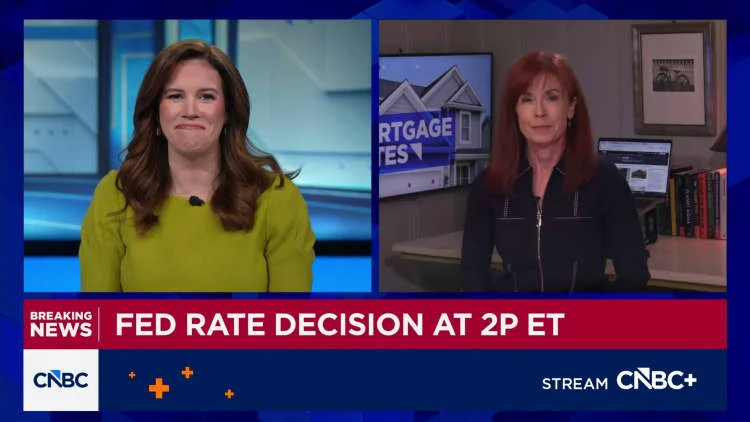
Mortgage rates moved up again on Wednesday, September 2, 2026, with the average 30-year fixed rate reaching 6.89%, according to Mortgage News Daily. That marks an increase of 2 basis points from Tuesday's level and extends a streak of gains driven by escalating conflict in the Middle East. Other loan products also ticked upward: the 15-year fixed rose to 6.39%, while the 30-year jumbo held at 6.92%.
The latest moves follow U.S. airstrikes near the Strait of Hormuz over the weekend, which have pushed oil prices higher and fueled inflation concerns. Bond yields, which mortgage rates track closely, have responded in kind. Tuesday's average top-tier 30-year rate was the highest since June 2025, and Wednesday's modest increase keeps the market within striking distance of that cycle peak of 6.97%.
What This Means for Homebuyers and Refinancers
The persistent rise in rates adds another layer of affordability pressure on the housing market. A buyer taking out a $300,000 mortgage at the current 30-year fixed rate of 6.89% would pay roughly $1,971 per month in principal and interest, according to federal calculators. That is about $200 more per month than the same loan would have cost when rates were in the mid-5% range a year ago.
For refinancers, the picture is similarly challenging. Zillow data from Tuesday showed the average 30-year refinance rate at 6.72%, notably higher than the 6.59% purchase rate, a divergence that reflects higher risk for lenders on refi loans. Many homeowners who locked in sub-4% rates during the pandemic have little incentive to refinance, further dampening refi demand.
Why Rates Are Climbing: The Iran Factor and Inflation Fears
The primary driver behind the recent rate surge is geopolitical turmoil. The ongoing conflict between the U.S. and Iran has led to a spike in oil prices, which historically feeds into inflation expectations. When investors expect higher inflation, they demand higher yields on long-term bonds, and mortgage rates follow suit as a result.
"Fighting intensified today between the U.S. and Iran," noted analysts at Mortgage News Daily. "Oil prices moved higher fairly quickly and bond yields followed. This has been a common pattern during the Iran war as higher oil prices imply higher inflation which, in turn, implies higher yields and rates."
While the day-over-day increase was modest, the cumulative effect has been significant. Since the start of the Iran conflict in early August, the 30-year fixed has risen roughly 40 basis points, undoing much of the relief borrowers saw in the spring and early summer.
The Broader Economic Backdrop
Beyond geopolitics, domestic economic data continues to influence the rate environment. Stronger-than-expected jobs reports and resilient consumer spending have given the Federal Reserve little reason to signal imminent rate cuts. Although the Fed does not directly set mortgage rates, its monetary policy stance shapes the broader interest rate landscape.
Market participants are now watching for the next round of inflation data, due out later this month. A hotter-than-expected Consumer Price Index reading could push yields—and mortgage rates—even higher. Conversely, any de-escalation in the Middle East or a softer jobs number could provide relief, but forecasters remain cautious.
What This Means Going Forward: Rates Likely to Stay Elevated
Industry analysts expect mortgage rates to remain elevated for the foreseeable future. The bond market is pricing in persistent inflation risks, and geopolitical uncertainty shows no signs of abating. As of now, the 30-year fixed is hovering near its 52-week high of 6.89%, and some forecasters see potential for a test of the 7% threshold if tensions escalate further.
For homebuyers, this means that the window of relatively lower rates seen earlier in the year has closed, at least for now. Adjustable-rate mortgages (ARMs) are becoming more attractive as a lower-cost alternative: the 5/1 ARM is averaging 6.22%, roughly 67 basis points below the 30-year fixed. However, ARMs carry the risk of rate adjustments in future years.
"We are in a situation where any news could tip the scales," said a senior economist at a major mortgage data firm. "Geopolitical events are triggering sudden shifts, and that volatility is likely to persist."
Strategic Advice for Borrowers
For those still considering a purchase, locking in a rate sooner rather than later may be prudent, given the upward trajectory. Shopping around among lenders remains critical, as rate quotes can vary by more than 20 basis points. Government-backed loans, such as FHA and VA, continue to offer slightly lower rates—averaging 6.41% and 6.43%, respectively—and may be worth exploring for eligible buyers.
Refinance candidates should run the numbers carefully. With refi rates now exceeding purchase rates, the benefit of refinancing is limited unless you can lower your rate by at least 50 basis points. Homeowners who have significant equity might consider a cash-out refi to consolidate debt, but they should be aware of the higher costs.
The housing market is entering a period of heightened uncertainty, but for those who can afford to act, opportunities remain. As always, consulting with multiple lenders and staying informed on daily rate movements is the best strategy in this tight market.
For related coverage, see our analysis of Germany Blames Russia for Leipzig Drone Attack on Ukrainian Plane and the latest on the Flu Jab 2026 update.
Comments