
Zeteo UK Goes Live: A New Player in British Media
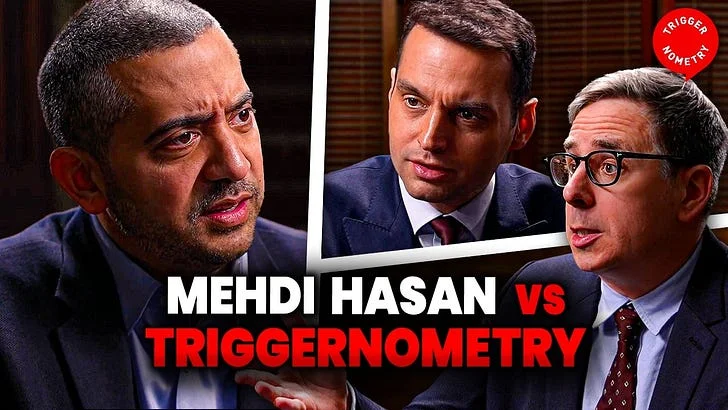
Former MSNBC host Mehdi Hasan officially launched the UK edition of his independent news company Zeteo on June 9, 2026. The Substack-based outlet arrives with more than 650,000 total subscribers — between 50,000 and 100,000 of them paying — and a clear mission: fill what Hasan calls a "gap in the market" among audiences who are "super dissatisfied" with mainstream journalism.
Zeteo UK begins with two full-time journalists, including former ITV News political correspondent Shehab Khan as political editor and ex-Guardian comment editor Becky Gardiner as head of opinion. High-profile contributors such as Owen Jones, Grace Blakely, and Sangita Myska have also signed on. The outlet will produce semi-regular content until its official daily launch in September.
In his announcement post, Hasan cited multiple failures by British outlets — from spreading Reform UK’s false claims about Muslim "family voting" to downplaying Israeli attacks on civilians in Gaza — as reasons for the expansion. "For far too long, mainstream media in the UK has failed the public," he wrote.
Free Speech Under Fire Over Palestine
Hasan’s launch comes as he intensifies his criticism of Western governments over free speech restrictions related to Palestine. In a June 8 Guardian op-ed, he argued that politicians who once championed Voltaire and "Je suis Charlie" now suppress dissent on the issue.
He highlighted recent actions by the British state: the proscription of Palestine Action as a terrorist organization, the arrest of elderly protesters holding signs that read "I oppose genocide," and the blocking of U.S. commentators Cenk Uygur and Hasan Piker from entering the UK. The Home Office said their presence was not "conducive to the public good," citing concerns over antisemitism. Hasan countered that defending free speech is "most crucial when that speech is controversial."
These developments underscore a broader tension. While Zeteo positions itself as a haven for unfiltered commentary, critics argue that the line between robust criticism and harmful rhetoric is blurring — especially in a charged political climate. The UK ranks 32nd out of 48 countries for trust in news, according to a Reuters Institute survey cited by Hasan, and public confidence in journalism is near rock bottom.
The Rise of Independent Journalism
Zeteo’s expansion reflects a larger trend: the explosion of independent media in the U.S., now reaching audiences who "no longer defer to establishment media gatekeepers," as Hasan put it. He sees no reason Britain cannot follow suit.
The company aims to be self-sustaining in the UK within a year, funded by subscription revenue. In the U.S., Zeteo already employs 15 full-time staff and 20 contributors, producing newsletters, podcasts, and YouTube videos. A recent interview with Princeton professor Eddie Glaude Jr. — timed to the U.S. semiquincentennial — exemplifies the kind of critical, race-focused content that drives its paid subscriber base.
Hasan’s journey from MSNBC host to independent publisher mirrors a wider shift. After his show was canceled in 2024, he launched Zeteo in April of that year with a promise of "hard-hitting" interviews and "bold" opinion. The UK edition now taps into the same demand, particularly among left-wing supporters, Green voters, Muslims, and foreign-policy enthusiasts.
Broader Implications: Trust, Polarization, and Accountability
The launch of Zeteo UK raises questions about the future of British journalism. On one hand, it offers an alternative for audiences who feel abandoned by legacy outlets. On the other, it deepens media fragmentation — a development that can amplify echo chambers rather than bridge divides.
Hasan’s critique is sharp: he accuses the BBC of bowing to political pressure and labels the mainstream press complicit in "manufacturing consent for genocide abroad." Yet his own platform faces scrutiny over whether it holds its side to the same standards.
Amid these debates, the role of independent media continues to evolve. As trust in traditional news declines, the appetite for outlets like Zeteo — often unapologetically partisan — grows. Whether they will heal or deepen the fractures in public discourse remains an open question.
For now, Mehdi Hasan is betting that British audiences are ready for a different kind of newsroom — one funded by subscribers, not advertisers, and unafraid to challenge the status quo. The success or failure of Zeteo UK may well signal the direction of journalism in the years to come.
Comments