
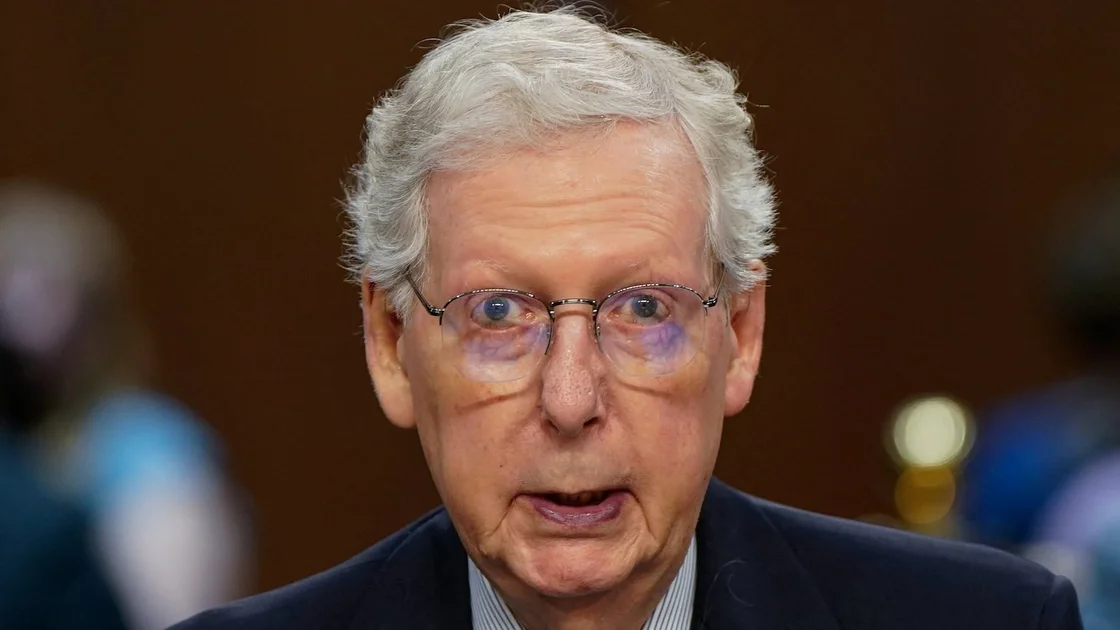
McConnell Absence Drags On as Governor Dismisses Special Election Deadline
Kentucky Governor Andy Beshear moved Monday to quash speculation that August 3 marked a crucial deadline to call a special election for Senator Mitch McConnell’s seat, even as the 84-year-old Republican remains unseen and unheard in public for nearly eight weeks. In a statement on X, Beshear wrote that the date carries “no legal impact” on his options should a vacancy occur, while emphasizing that McConnell’s prolonged absence is already hurting his own party in a closely divided Senate.
“Worth a reminder, right now, there’s one less vote for the SAVE Act, Trump’s war with Iran, or the potential replacement of a SCOTUS justice,” Beshear said, pointing to the practical consequences of McConnell’s failure to fulfill his duties. The governor has repeatedly called on McConnell to directly address Kentuckians or resign, and over the weekend he mocked Republicans for criticizing his own absence from the Fancy Farm picnic while remaining silent about McConnell’s 50-day disappearance.
Proof-of-Life Photos Fail to Quell Rumors
The mystery surrounding McConnell’s condition deepened over the past week after his office released two photographs purportedly showing him with his wife, Elaine Chao, at a rehabilitation center. The first, taken July 12, showed McConnell holding a newspaper—a pose critics likened to a hostage photo. The second, released July 27, was accompanied by a note from the Senate attending physician stating that McConnell is working “to rebuild strength and reduce the risk of future falls.” But neither image satisfied skeptics, who noted McConnell’s vacant smile and Chao’s firm grip on his arm, which many read as direction rather than affection.
No video or live appearance has been provided, and demands for transparency have grown louder. Kentucky’s Democratic governor publicly demanded that McConnell “directly and verbally address the people of Kentucky and provide proof of your capacity to serve, or resign.” Independent journalist Lindsay Beyerstein pointed out in commentary for MS NOW that McConnell’s absence means “the GOP is down a vote in a closely divided Senate,” a reality that undercuts theories that he is staying away to benefit Republicans.
Staff Under Fire as Questions Mount
McConnell’s office has offered little beyond two statements and the two photographs since his hospitalization on June 14, when a 911 call suggested he had a heart attack, was unconscious, and received CPR. The lack of transparency has led to growing frustration on Capitol Hill. In one recent confrontation, McConnell’s aides sought security intervention when a reporter attempted to ask questions about the senator’s health. On Monday, communications director Stephanie Penn was confronted by independent reporter Desirée Townsend and asked whether it was fair that staffers continue to be paid while Kentuckians go without representation. Penn smiled but refused to answer.
The mystery deepened further when McConnell’s office declined to say whether a letter sent to President Donald Trump last week was personally signed by McConnell or by autopen. The July 28 letter, signed by McConnell and every member of Kentucky’s congressional delegation, urged Trump to approve a disaster declaration following devastating flooding. The letter’s authenticity became a subject of intense speculation, with critics suggesting it was signed without McConnell’s direct involvement.
Elaine Chao’s Odd Social Media Post Adds to Unease
Amid the swirling rumors, Elaine Chao has remained conspicuously silent about her husband’s condition. In a bizarrely timed social media post on August 3, the former Transportation Secretary chose to highlight months-old tributes from two Maine senators—Susan Collins and Angus King—honoring her father’s receipt of an honorary degree from the Maine Maritime Academy. She made no mention of McConnell, fueling further speculation about his status. The post, which appeared to be a deliberate deflection, only intensified questions about why the family is not providing more transparency.
What’s at Stake in a Divided Senate
The political stakes of McConnell’s absence are significant. Republicans hold a narrow majority in the Senate, and every vote counts. The GOP’s struggle to confirm Attorney General nominee Todd Blanche highlighted how McConnell’s missing vote could derail legislative priorities. With Trump’s aggressive agenda—including the SAVE Act and potential Supreme Court vacancies—McConnell’s absence could have far-reaching consequences.
Kentucky law, under House Bill 622, eliminated the governor’s ability to appoint interim replacements for vacant U.S. Senate seats, leaving Beshear with limited options should a vacancy occur. The law remains legally untested, and Beshear’s announcement that August 3 has no legal impact suggests he is not planning to force the issue. However, pressure continues to build from both sides: Democrats see an opportunity to highlight Republican dysfunction, while some Republicans fear the speculation is damaging their brand.
The situation has also sparked broader debates about transparency and the health of aging lawmakers. McConnell’s refusal to provide a live update—or even a verifiable video—has led to conspiracy theories, including claims that he is dead or on life support. While none of these have been confirmed, the lack of information has created a vacuum that is unlikely to be filled anytime soon.
A New Era of Uncertainty in American Politics
McConnell’s extended absence marks a troubling precedent for American politics, where the health of senior lawmakers is often treated as a private matter despite their public responsibilities. The 84-year-old has been a dominant figure in the Senate for decades, and his potential departure would reshape the political landscape. But the manner of his disappearance—and the refusal of his office and family to provide clear answers—has left constituents and colleagues in the dark.
For now, the mystery remains unresolved, and the political implications are only beginning to unfold. As Beshear pointed out, McConnell’s absence is already having tangible effects on the Senate’s ability to function. Whether the situation resolves through recovery, resignation, or something else entirely, one thing is clear: the era of unquestioned faith in institutional transparency is over, and the public is demanding more than photographs and vague statements.
The broader trend points to a growing distrust in political leadership, as scandals and secrets become the norm. McConnell’s case is just one example of a phenomenon that could have lasting consequences for how Americans view their elected officials. In the meantime, the people of Kentucky—and the nation—wait for answers that may never come.
Comments