
Apple unveils macOS Golden Gate 27 with refined design and smarter Siri
Apple officially announced macOS 27 Golden Gate during its WWDC 2026 keynote on June 8, 2026, positioning it as a refinement-focused follow-up to last year’s dramatic Liquid Glass overhaul in macOS Tahoe. The new operating system introduces user-customizable Liquid Glass transparency, tighter window corners, a rebuilt Spotlight search deeply integrated with a new Siri AI, and a notable break from the past: Golden Gate will be the first macOS version to drop support for all Intel-based Macs.
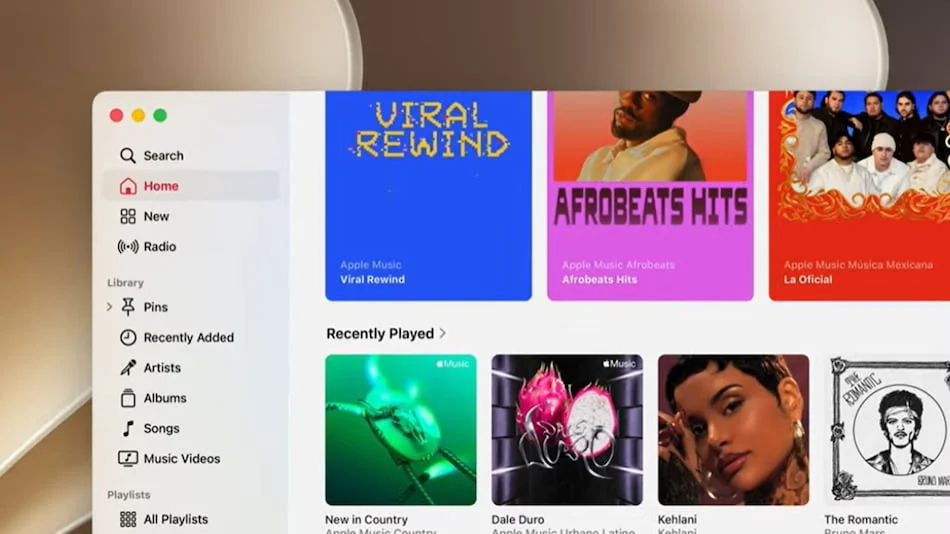
Among the flagship changes is a global slider that lets users control the opacity of the Liquid Glass UI effects, addressing widespread complaints that the translucent design made windows difficult to read. Apple has also reduced the corner radius of windows, giving them a sharper, more unified appearance that developers had criticized as overly rounded in Tahoe. Sidebar icons regain their original color, restoring visual clarity.
The star of the software update is the revamped Siri, which is now fully integrated into Spotlight search. Users can type natural-language queries directly into Spotlight, select multiple files, and ask Siri to compare data — for example, comparing several PDF quotes for a home project and generating a comparison table. A dedicated Siri app is also coming to macOS. Visual Intelligence — previously seen on iPhone — arrives on the Mac with a keyboard shortcut, enabling actions like screenshotting a schedule to add events to the calendar.
The new operating system also brings cross-platform features shared with iOS 27, including AI rewriting and grammar checks in Writing Tools, natural-language shortcut creation, and enhanced Safari tab management that can automatically group related tabs. Parental controls and Screen Time have been updated with tighter app-limiting options.
Apple confirmed that the developer beta is available immediately, with a public beta expected in weeks and a full public release in the fall.
Why Golden Gate marks a turning point for the Mac platform
The significance of macOS Golden Gate extends beyond its interface tweaks. By dropping Intel processor support entirely, Apple is drawing a clear line under its transition to Apple Silicon — a move that began six years ago. While Intel Macs will receive three more years of security updates, they will not gain access to Golden Gate’s features at all. This means features like on-device AI processing, advanced machine learning, and power efficiency optimizations will now be exclusive to Apple’s own chips.
This decision follows a pattern visible across Apple’s ecosystem. Last year’s macOS Tahoe introduced the Liquid Glass redesign but faced criticism for its overly polished look and performance quirks. With Golden Gate, Apple appears to be listening to user feedback — offering granular control over the interface and addressing developer complaints about window rounding. The company is betting that customization and performance will win over users who were skeptical of the visual overhaul.
The AI push is equally strategic. By embedding Siri deeply into Spotlight and enabling file-based reasoning tasks, Apple is positioning macOS to compete with dedicated AI assistants from Google and Microsoft. The new architecture for Apple Intelligence promises faster indexing and real-time search updates, making the Mac more responsive for power users.
The timing also matters: with WWDC 2026 showcasing major updates across iOS, iPadOS, and macOS, Apple is reinforcing its ecosystem lock-in. Users who upgrade to macOS Golden Gate will gain tighter integration with iPhone and iPad through features like cross-device Siri task management and shared parental controls.
Broader implications: customizability, AI integration, and the end of an era
macOS Golden Gate signals a shift in Apple’s design philosophy toward greater user agency. The Liquid Glass opacity slider is a rare concession from a company that traditionally dictates its visual language. This move could set a precedent for future macOS versions, giving users more control over aesthetics without sacrificing the brand’s design identity.
From a hardware standpoint, dropping Intel support accelerates the upgrade cycle for remaining Intel Mac users. While Apple’s transition to Apple Silicon has been widely praised for performance and battery life, the move may frustrate users who invested in high-end Intel Macs in recent years. However, for developers and enterprise users, the change simplifies app optimization and ensures that AI features — which rely on the Neural Engine — work consistently across all supported devices.
The AI enhancements in Golden Gate also reflect a broader industry trend: desktop operating systems are becoming intelligent platforms capable of understanding context, files, and user intent. Siri’s ability to analyze multiple documents and generate structured comparisons moves the Mac beyond simple file search toward genuine productivity assistance. This positions Apple to compete not just with Microsoft’s Copilot but also with emerging AI-native workflows.
For consumers, the most immediate impact will be the interface refinements. Tighter window corners and adjustable transparency make the Liquid Glass aesthetic more practical for daily use. The return of colored sidebar icons may seem minor, but for long-time Mac users, it restores a sense of familiarity that Tahoe disrupted.
As the developer beta rolls out and public testing begins, the real test will be stability. Earlier betas of macOS Tahoe suffered from battery drain and bugs — issues Apple promises to address with Golden Gate’s performance tuning closer to the fall release. Until then, users are advised to avoid installing beta software on primary machines.
In related news, Apple’s broader WWDC announcements include a substantial Siri AI overhaul for iOS 27 — iOS 27 Beta Launches Today: 12 New Features, Siri App, and More — and continued refinement of cross-platform tools. Whether Golden Gate will be remembered as a minor iterative release or a foundational shift depends on how well these AI features perform in practice. For now, Apple has drawn a line in the sand: the future of macOS is Apple Silicon, customizable interfaces, and AI at every level.
Comments