
iOS 27 Developer Beta Now Available After WWDC 2026 Keynote
Apple has officially released the first developer beta of iOS 27, following the company’s annual Worldwide Developers Conference (WWDC) keynote on Monday, June 8, 2026. As of this afternoon, developers with an active Apple Developer account can download the beta through the Software Update section in the Settings app. The public beta is expected to follow in July, with a full public release slated for September.
The iOS 27 developer beta arrives on the same day Apple unveiled the new operating system at WWDC, a tradition the company has maintained for years. According to multiple sources, including 9to5Mac and MacRumors, the beta build is seeded immediately after the keynote concludes. For users eager to try the latest features, the process is straightforward: navigate to Settings > General > Software Update > Beta Updates, select "iOS 27 Developer Beta," and install.
Apple first made developer betas freely accessible with iOS 16.4, removing the requirement for a paid $99 developer account. That policy continues with iOS 27, meaning any curious user can join the developer program for free and begin testing today. However, experts warn that the early beta is buggy and should not be installed on a primary device. Common issues include app crashes, VPN incompatibility, and loss of chat backups.
Key Features Unveiled at WWDC
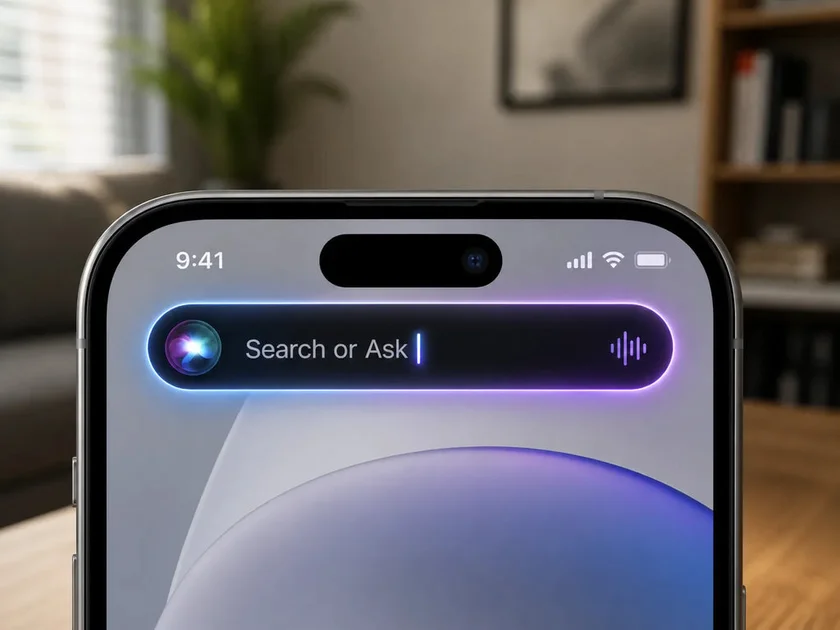
Apple’s WWDC 2026 keynote highlighted three main themes: platform improvements, trust and safety, and a big leap forward for Apple Intelligence. Among the most anticipated features is a dedicated Siri app, which allows users to have back-and-forth conversations with Apple’s virtual assistant, akin to ChatGPT. Swiping down on the Dynamic Island area opens a new "Search or Ask" interface powered by the revamped Siri.
Other notable additions include:
- Liquid Glass customization slider: Users can now adjust the transparency of the Liquid Glass design from Ultra Clear to Tinted Glass.
- Apple Maps via satellite: A new satellite mode for navigation, useful for off-grid exploration.
- Menopause and perimenopause cycle tracking in the Health app.
- Custom equalizer controls for AirPods.
- Visual Intelligence expansion: A new Siri mode in the Camera app scans nutrition labels and contact information.
- Apple Intelligence for Shortcuts: Natural language prompts can now generate shortcuts.
- Custom wallpapers: Apple Intelligence generates personalized wallpapers.
- Battery life enhancements: Compared to Mac OS X Snow Leopard, focus on bug fixes and performance.
- Improved autocorrect: An updated keyboard with enhanced autocorrect.
- Generated subtitles: Automatic captions for personal iPhone videos.
- "Create a Pass" in Apple Wallet: Users can create digital passes for physical items like gym memberships.
- Apple Cash Bill Splitting: In Wallet and Messages, split bills by scanning a receipt.
Apple also confirmed that iOS 27 supports all iPhones from the iPhone 11 onward, a welcome surprise after rumors suggested the line might be dropped.
Why iOS 27 Matters: A Shift in AI and Design Philosophy
The release of iOS 27 arrives at a pivotal moment for Apple, as the company faces increasing competition from Google’s Gemini and OpenAI’s GPT models. The integration of a Google Gemini model into Apple Intelligence, first hinted at in earlier reports, is now confirmed. This partnership allows Siri to handle complex queries and generate images, though privacy advocates remain cautious about third-party AI integrations.
Beyond AI, iOS 27 marks a subtle but significant design evolution. The Liquid Glass aesthetic, introduced with iOS 26, now offers deeper customization. The ability to slide between Ultra Clear and Tinted Glass gives users control over the visual depth of their interfaces, a first for iOS. This mirrors broader trends in consumer demand for personalization, which Android manufacturers have long championed.
The Stakes for Users and Developers
For developers, the beta is a necessary step for app compatibility testing. However, for regular users, the risks are notable. BGR’s José Adorno warns that early betas often break everyday functions: “I can’t tell you how many times I had to go back to a stable version because my VPN from work didn’t function, a crucial app was crashing, or I ended up losing important conversations.”
Additionally, anyone running an Apple Watch must be aware that after updating to iOS 27 beta, the watchOS 27 beta becomes non-downgradable. This means users cannot revert to an earlier iOS version without also losing Apple Watch functionality.
Public beta testers should wait until July, when Apple typically releases a more stable build after three developer betas. For those who prefer absolute stability, the September public release remains the safest route.
Broader Implications: Apple’s Balancing Act Between Innovation and Stability
iOS 27 represents a dual strategy: on one hand, Apple is pushing forward with ambitious AI features through partnerships and hardware-enhancing software. On the other, it is prioritizing stability with a “Snow Leopard”-like focus on battery life and performance. This balancing act reflects a broader industry trend where companies must innovate rapidly without alienating users who rely on their devices for mission-critical tasks.
The AI Arms Race Heats Up
Apple’s decision to embed a Google Gemini model directly into iOS 27 signals a pragmatic approach to artificial intelligence. Rather than building a ChatGPT competitor from scratch, Apple is leveraging existing technology while maintaining its privacy-first stance through on-device processing. The new Siri app and Visual Intelligence features could shift user behavior away from third-party apps like ChatGPT or Google Assistant.
However, this reliance on Gemini raises questions about data sovereignty. Apple has assured that user data remains encrypted and is not used to train its models, but third-party processing still introduces potential vulnerabilities.
Parental Controls and Safety
A major emphasis at WWDC was parental controls. iOS 27 introduces enhanced screen time tools and app permission requests designed to give parents more granular control. Given recent debates around children’s safety on social media, this move positions Apple as a leader in device safety—a theme that resonates with lawmakers and advocacy groups.
What Comes Next: Public Beta in July, General Release in September
According to Apple’s standard release cadence, the first developer beta is followed by a public beta in July. The public beta typically arrives after three developer builds, offering a more stable experience. Users can enroll through Apple’s Beta Software Program at beta.apple.com by signing in with their Apple ID and following the instructions.
For those who cannot wait, the developer beta is available now—but only if you have a secondary device. Mashable’s Alex Perry recommends waiting for the public beta unless you are a developer who needs to test compatibility. The full public release is expected in September, likely alongside the iPhone 17 lineup.
A Final Word of Caution
If you decide to install the developer beta, back up your iPhone first. Use iCloud or a local backup via Finder. Also, verify that your critical apps—banking, VPN, messaging—have been updated for iOS 27 compatibility. Ignoring these steps could result in lost data or functionality, as seen in previous beta cycles.
In other tech news, the gaming community is buzzing ahead of the Valheim 1.0 launch on September 9, which includes the Deep North biome and a console debut. Meanwhile, wildfire season continues to disrupt communities, with the Sorrento Valley Brush Fire in San Diego County triggering evacuations near the I-5.
Conclusion: A New Era for iPhone Users
iOS 27 is more than a routine update. With its AI-driven features, enhanced customization, and emphasis on stability, it sets the stage for what the iPhone experience will look like in the late 2020s. Whether you install the developer beta today, wait for the public beta in July, or hold off until September, one thing is clear: Apple is doubling down on making its operating system smarter, safer, and more personal—all while keeping performance front and center.
Comments