
M5 Reopens After Lengthy Closure Near Bridgwater
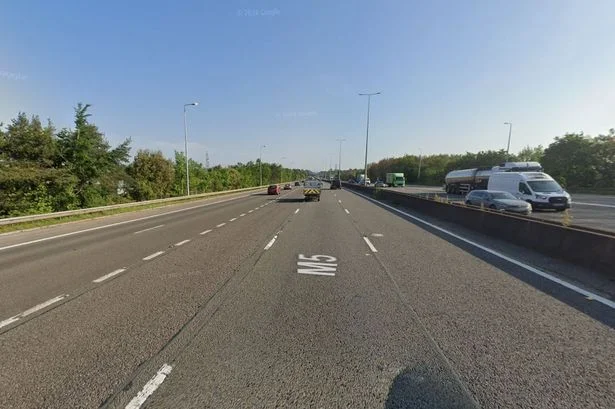
The M5 southbound has fully reopened between junction 22 (Burnham-on-Sea) and junction 23 (Bridgwater) after a serious crash involving a fuel tanker and a car caused a 14.5-hour shutdown. The incident, which began at around 04:30 BST on Tuesday, May 5, led to a major diesel spillage and significant damage to the central reservation and roadside barriers.
National Highways confirmed that the motorway reopened shortly after 19:00 BST, but drivers continued to face delays of up to two hours, with tailbacks stretching eight miles. The lorry, which was fully loaded with 32,000 litres of petrol, had jackknifed and hit the central reservation before ending up on the hard shoulder. A car then collided with the side of the tanker.
No injuries were reported. The spillage came from the HGV’s engine, not the petrol cargo, but emergency services still had to pump the fuel into a second tanker before the vehicle could be recovered. National Highways also had to repair around 200 metres of barrier damage, with additional hard shoulder closures planned for further repairs.
Delays and Diversions
During the closure, traffic was diverted via the A38 southbound between East Brent and Dunball, where it joins the A39 just before junction 23. This caused heavy congestion on local roads, including routes around Burnham-on-Sea and Highbridge. Traffic monitoring site Inrix reported that queues extended to junction 21 (Weston-super-Mare) at the peak of the disruption.
Earlier on the same day, the M5 northbound in Gloucestershire was closed between junction 11 (Golden Valley Interchange) and junction 9 (Tewkesbury) after a separate two-vehicle crash. That closure lasted from around 12:30 BST Wednesday until approximately 05:00 BST Thursday, May 7. National Highways confirmed there were no remaining delays on approach. Gloucestershire Constabulary has appealed for witnesses.
Why These Incidents Matter
The M5 is a critical artery for the South West, linking the Midlands to Devon and Cornwall. It carries high volumes of freight, commuter traffic, and holidaymakers, especially as the summer season approaches. A single crash can ripple across the region, causing hours of delays and disrupting supply chains.
In the Somerset incident, the tanker was carrying petrol for onward delivery, meaning the closure had implications beyond passenger travel. Fuel retailers in the area may have faced temporary shortages, and the need to pump 32,000 litres of petrol to a second tanker added hours to the recovery process.
The frequency of such closures is also a growing concern. In just one week, the M5 saw two major shutdowns: one in Gloucestershire and one in Somerset. While both were cleared, the repeated disruption raises questions about road safety and the resilience of the motorway network.
A Pattern of Disruption
The North Somerset area also experienced heavy traffic on May 7 due to an “incident” that caused delays in both directions, with police on the scene. Although details were sparse, it added to the sense of a particularly difficult week for M5 users.
Broader Implications: Motorway Safety and Recovery
These events highlight the challenges facing National Highways when dealing with hazardous material spills. Fuel tanker accidents require careful coordination with fire services, environmental agencies, and specialist recovery teams. The need to safely transfer thousands of litres of petrol before moving the vehicle means closures can stretch well beyond typical crash response times.
Barrier damage from heavy goods vehicles also requires extensive repairs. In the Somerset case, 200 metres of barrier needed replacement, a job that often requires lane closures for several days. As National Highways continues to work on the remaining repairs, drivers may encounter reduced speed limits or hard shoulder restrictions in the coming days.
For comparison, similar prolonged closures on other major routes have led to calls for better signage and real-time traffic updates. The BBC and local news outlets have played a key role in keeping drivers informed, but many motorists still rely on social media and traffic apps for the latest information.
What This Means for Drivers
For those regularly using the M5, these incidents serve as a reminder to check traffic conditions before setting out, especially during early morning or late evening hours when many of these crashes occur. Diversion routes, often along A-roads, can become quickly congested, adding significant time to journeys.
The recovery operations also underscore the importance of maintaining safe distances and reducing speed near heavy goods vehicles. As one National Highways spokesperson noted, “Jackknifed tankers are among the most challenging incidents we deal with, both in terms of safety and logistics.”
In a wider context, the M5 closures come at a time when motorway maintenance and safety are under scrutiny across the UK. While the government has committed funding to road improvements, incidents like these show that even well-maintained roads can face sudden, severe disruption.
As cleanup and repair work continues on the M5, drivers are advised to allow extra time for journeys and to follow National Highways updates. For the latest on traffic conditions in your area, check local news and travel alerts.
If you found this article useful, you may also be interested in our coverage of national traffic issues: I-285 Shutdown Begins Today: Atlanta Braces for Weekend of Gridlock
Comments