
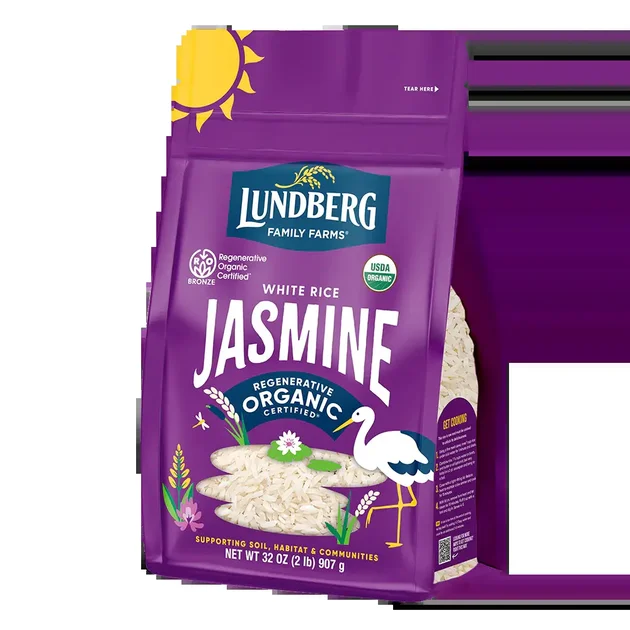
FDA Expands Lundberg Family Farms Rice Recall as More Bags Are Affected
The U.S. Food and Drug Administration (FDA) has officially expanded its recall of Lundberg Family Farms organic jasmine white rice, increasing the number of affected packages to more than 27,000 two-pound bags sold across 13 states. First initiated in April 2026, the recall was updated this week after the company and regulators identified additional lots that may contain foreign material.
Consumers who purchased the rice are urged to check their pantries for the specific UPC code and lot numbers listed below. The expanded recall affects products sold at major retailers including Wegmans, Target, Walmart, Giant, and Whole Foods, raising concerns for households nationwide.
Affected Product Details
The recalled product is Lundberg Family Farms Organic White Jasmine Rice, sold in 32-ounce (two-pound) bags. The affected packages carry the UPC code 073416040281. Two specific lot numbers are included in the recall: 260201MA with a Best Before date of February 1, 2027, and 260202MA with a Best Before date of February 2, 2027.
According to the FDA’s updated notice, a total of 27,324 packages are now affected, equating to more than 54,000 pounds of rice. The product was distributed in California, Connecticut, Florida, Illinois, Louisiana, North Carolina, New Hampshire, New York, Pennsylvania, Tennessee, Virginia, Washington, and Wisconsin. A previous version of the recall listed Vermont as well, but the latest FDA update includes Louisiana instead—consumers in both states should verify their purchase.
Why the Recall Was Issued and What Consumers Should Do
The recall was initiated due to the potential presence of foreign material in the rice, though the FDA has not specified the exact nature of the contaminant. Possible offenders in such cases include small stones, wood fragments, metal shavings, or plastic pieces. The FDA has classified this as a Class II recall, meaning that exposure may cause temporary or medically reversible adverse health consequences, but the likelihood of serious harm is low.
Immediate Steps for Consumers
If you have the recalled rice at home, do not consume it. The FDA advises discarding the product immediately or returning it to the place of purchase for a full refund. Wegmans, which first alerted customers to the issue in April, has already announced that it will accept returns of the affected product. For purchases made at other retailers, contact the store directly to inquire about refund policies.
Lundberg Family Farms, which operates under the umbrella of Wehah Farms, stated in response to the expansion: “The affected product was removed from store shelves several months ago. The incident was isolated to a single production run, and no illnesses were reported from consumption of the affected product.” The company emphasized that the recall is precautionary and that no adverse health events have been linked to the rice.
Context: The Growing Wave of Food Recalls
The Lundberg recall is part of a broader pattern of food safety issues that have dominated headlines in 2026. In recent weeks, a massive egg recall—affecting nearly 19 million eggs—was elevated to Class I, the most serious classification, after nearly 100 people fell ill and 26 were hospitalized. That recall, covering eggs sold under brands like Country Morning, Cal-Maine Sunups, Brookshire’s, and Kroger, involved possible salmonella contamination and has prompted widespread concern.
Similarly, a pet food recall by Fromm Family Foods was issued after complaints of metal contamination in two varieties of wet dog food. Additionally, Oma’s Pride recalled 639 bags of its Woof Complete Canine Chicken Recipe due to potential salmonella contamination. These incidents highlight the vulnerability of the food supply chain and the challenges regulators face in ensuring safety.
The Financial and Reputational Impact on Lundberg Family Farms
For Lundberg Family Farms, a brand known for its commitment to organic and sustainable farming, the recall expansion poses both financial and reputational challenges. The company, based in California’s Sacramento Valley, has been a trusted name in organic rice for decades. While the recall is limited to a single production run, the extended shelf life of rice means that affected products may still be in consumers’ homes, prolonging the period of risk and concern.
Retailers across the 13 affected states are cooperating with the recall, removing the product from shelves and posting notices. However, the initial recall in April had already led to the disposal of thousands of bags, and the expanded notice suggests that initial containment efforts were incomplete.
What This Means for Consumers and the Food Industry
The expanded Lundberg recall underscores a recurring theme in 2026: the food industry is facing heightened scrutiny over quality control and foreign material contamination. While such incidents are not new, the scale and frequency appear to be increasing, prompting calls for stricter manufacturing standards and more aggressive testing protocols.
For consumers, the takeaway is to remain vigilant about food recalls, especially for staple items like rice. The FDA maintains a searchable database of recalls, and consumers are encouraged to sign up for email alerts. Checking UPC codes and lot numbers before consuming packaged foods is a simple but effective safeguard.
A Broader Trend of Recall Fatigue and Its Risks
As the number of recalls grows, experts warn of “recall fatigue,” where consumers become desensitized to warnings and may ignore important notices. This is particularly dangerous for products with long shelf lives, like rice, where affected packages could linger in pantries for months. The Lundberg recall, despite its relatively low health risk, serves as a reminder that even minor contaminants can trigger significant logistical and public health responses.
The egg recall, which has reached Class I status, illustrates how quickly a seemingly minor issue can escalate. With nearly 100 illnesses and 26 hospitalizations, the stakes are clear. The FDA’s upgraded classification for the egg recall has intensified public awareness and prompted congressional inquiries into food safety oversight.
How to Stay Informed and Safe Amid Ongoing Recalls
In light of the recent recalls—including not just Lundberg rice and eggs, but also produce, pet food, and even coffee—consumers are advised to take proactive steps to protect themselves and their families. Here are key recommendations:
- Regularly check the FDA’s recall list for updates, especially before purchasing or consuming packaged foods.
- Register product purchases with retailers when possible to receive direct notifications of recalls.
- Follow manufacturer social media accounts, as many companies announce recalls there first.
- When in doubt, throw it out—even if you’ve already consumed the product without issue, it’s not worth the risk.
Recalls Also Reflect Supply Chain Complexities
Food recalls are not just about manufacturing errors; they often expose deeper issues in the agricultural and distribution systems. For Lundberg, the recall could affect its relationship with retailers who may demand stricter supplier guarantees. It also raises questions about the adequacy of current draft guidance for foreign material contamination, which the FDA has yet to finalize.
In the meantime, consumers continue to rely on the diligence of manufacturers and regulators. The Lundberg Family Farms recall, while modest in health impact, is a stark reminder that food safety is a shared responsibility—from farm to table.
As the FDA updates its recall notices, this situation remains fluid. Consumers in the affected states should verify their rice packages immediately and follow the disposal instructions. For those who have already consumed the rice without incident, no action is needed, but monitoring for any unusual symptoms is advised.
The broader food safety landscape in 2026 has been turbulent, with recalls spanning everything from Cyclospora outbreak linked to lettuce to recent beef and bacon recalls. Staying informed is the best defense, and the FDA’s website remains the most reliable resource for up-to-date recall information.
Looking Ahead: Will Regulatory Changes Follow?
Industry analysts predict that the string of high-profile recalls in 2026 will likely prompt regulatory reforms. Proposed measures include mandatory foreign material testing for certain food categories, enhanced traceability requirements, and more stringent supplier audits. The FDA has already signaled its intention to update its food safety protocols, and the congressional attention on the egg recall could accelerate these changes.
For now, the Lundberg expansion serves as a wake-up call for consumers and manufacturers alike. While no serious illnesses have been reported, the recall illustrates how quickly a quality issue can expand and disrupt the market. The company’s cooperative response—removing products and communicating openly—has been praised by regulators, but the incident may have lasting effects on consumer trust.
In an era where recalls are becoming more common, trust is a fragile commodity. Brands that handle recalls transparently and efficiently, as Lundberg has done, may recover more quickly than those that delay or obfuscate. For consumers, the lesson is simple: the safety of the food supply depends on constant vigilance from all parties involved.
Comments