
CPS Review Upholds Decision Not to Charge Lucy Letby Over Six More Babies
Families of six more babies allegedly harmed by serial killer nurse Lucy Letby have failed in their bid to overturn the Crown Prosecution Service's (CPS) decision not to bring further charges. In a statement released on August 5, 2026, the CPS confirmed that an extensive independent review upheld the original ruling, meaning Letby will not face new criminal proceedings over these cases.
The review, conducted under the Victims' Right to Review scheme, re-examined substantial evidence related to six allegations of attempted murder. The original decision, made in January 2026, concluded that the evidential test was not met for potential offences involving nine children, including two who died. Letby, 36, from Hereford, is currently serving 15 whole-life orders at HMP Bronzefield for the murders of seven infants and the attempted murders of seven others at the Countess of Chester Hospital between June 2015 and June 2016.
Families Left Seeking Answers After Failed Appeal
Malcolm McHaffie, head of the CPS's special crime division, explained that the review involved a prosecutor independent of the original decisions, who re-examined substantial evidence and material. "Six offences of attempted murder were reconsidered in relation to six babies, but the review upheld the original decision not to bring any further criminal charges," he said. The CPS has written to the families involved and will offer meetings to answer any further questions. The decision marks the final stage of the Victims' Right to Review process for these six families, who had hoped to see Letby face additional accountability.
Background: The Letby Case and Its Wider Implications
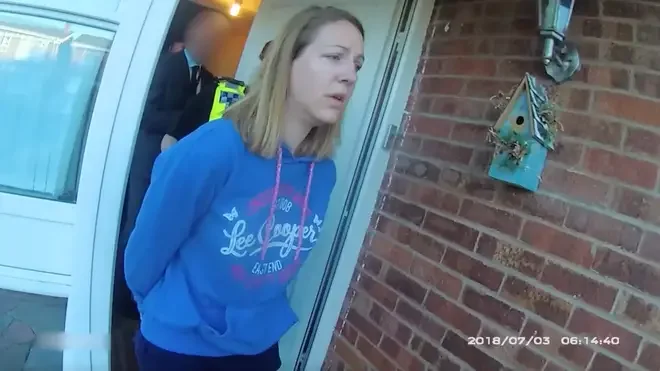
Lucy Letby's case has been one of the most harrowing in British legal history. She was convicted in 2023 of murdering seven infants and attempting to murder seven others while working as a neonatal nurse at the Countess of Chester Hospital. The offences occurred between June 2015 and June 2016, a period during which the unit saw an unexplained spike in infant deaths and collapses. Letby was arrested in July 2018 and later sentenced to a whole-life order, meaning she will never be released from prison.
The latest CPS review stems from a broader investigation by Cheshire Constabulary into deaths and non-fatal collapses of babies during Letby's time at the Countess of Chester and Liverpool Women's Hospital, where she trained, from 2012 to 2016. The police passed a file of evidence to the CPS in early 2026, but prosecutors determined that the evidence did not meet the threshold for further charges. The decision has been a source of anguish for the families of the additional nine children, who have sought closure through the legal system.
Legal and Procedural Context
Under the Victims' Right to Review scheme, victims or their families can ask for a CPS decision not to prosecute to be reconsidered. The scheme is designed to ensure transparency and accountability in prosecutorial decisions. In this case, six families exercised that right, prompting an independent prosecutor to conduct a fresh review. The outcome, upheld on August 5, means that no further charges will be brought, effectively closing this chapter of the investigation. Letby had previously been denied permission to appeal her convictions in 2024, and her case has been referred to the Criminal Cases Review Commission (CCRC), which investigates potential miscarriages of justice. A spokesperson for the CCRC confirmed that the review is ongoing, but no timeline has been given.
Perspective: What This Means for the Families and the Justice System
The decision to uphold the CPS ruling is a devastating blow for the families of the six babies involved. They have waited years for answers, and the review's conclusion will likely compound their grief. However, the CPS's insistence on the evidential test reflects the high standard required for criminal prosecution. The independent review re-examined every piece of evidence, but still concluded there was insufficient proof to proceed. This case highlights the tension between the public's desire for justice and the legal system's need to avoid wrongful convictions.
Broader implications also extend to the ongoing debate about Letby's convictions. A growing number of experts and legal figures have questioned the safety of her convictions, citing concerns about statistical evidence and the lack of direct physical proof. The CCRC's review, which began in 2024, remains a significant development. If the CCRC refers the case back to the Court of Appeal, it could lead to a retrial or even overturn the convictions. The CPS's decision not to add further charges may also be seen as an acknowledgement that the existing evidence in these additional cases was not strong enough, which could fuel further scrutiny of the original trials.
Public Trust and Judicial Scrutiny
Public trust in the judicial system is at stake, particularly in cases involving vulnerable victims like infants. The CPS's transparent communication about the review process, including offering meetings with the families, is a step toward maintaining confidence. Yet, for those who believe Letby was guilty of more crimes, the decision may feel like a failure. For others, it may reinforce the principle that prosecutors must act on evidence, not speculation. As the CCRC completes its review, the nation will watch closely, knowing that the outcome could reshape the legacy of one of Britain's most notorious cases.
In the meantime, the families of the six babies will have to find a way to move forward without the closure of additional convictions. The CPS has expressed sympathy, stating, "Our thoughts remain with them." The case, however, is unlikely to fade from public consciousness, as the questions surrounding Lucy Letby's crimes and the handling of her investigation continue to provoke debate.
Comments