
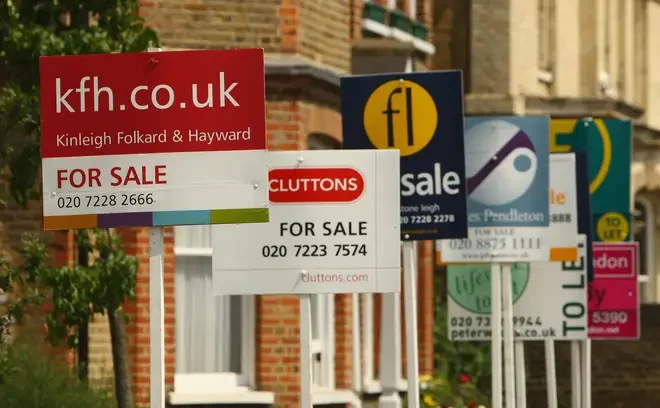
Lloyds Launches £5,000 Deposit Mortgage for First-Time Buyers
On May 18, 2026, Lloyds Banking Group officially launched a new low-deposit mortgage that allows first-time buyers to purchase a home worth up to £300,000 with a deposit as low as £5,000. The product, also available through Halifax and via brokers, targets renters who can afford monthly mortgage payments but are trapped by the upfront cost of a deposit. With a 5.89% interest rate, a five-year fixed term, and a borrowing limit of 4.5 times salary, the deal represents one of the most accessible entry points into homeownership since the 2008 financial crisis.
Amanda Bryden, head of mortgages at Lloyds, explained in a statement that the bank is responding to a clear market gap: “We hear time and again from those who are doing everything right – paying their bills, managing their money well, puting aside what they can – but still feel locked out of home ownership because saving a big enough deposit seems impossible.” The average first-time buyer is now 32, two years older than a decade ago, according to Lloyds’ own data. The £5,000 deposit option is designed to cut years off the time needed to save, particularly for those without access to the “bank of mum and dad.”
The K-Shaped Housing Market: A Widening Gap
The launch comes at a time when the housing market is increasingly split along economic lines. A recent analysis by The Wealth Advisor describes a “K-shaped” housing market, where luxury home sales are booming while entry-level activity continues to weaken. Homes priced below $250,000, which have traditionally been the starting point for first-time buyers, are in short supply. Meanwhile, affluent buyers—often using accumulated equity from previous homes or investment portfolios—are dominating the upper end of the market, with all-cash offers becoming more common.
This divergence mirrors the broader economic recovery. Higher-income households are benefiting from strong wage growth and elevated stock markets, while middle- and lower-income households face persistent inflation and high interest rates. The result is a market where existing homeowners can leverage equity gains to move up, while first-time buyers, even with solid incomes, struggle to save for a deposit. The Lloyds mortgage is a direct attempt to break that deadlock, but it is not a cure-all. Borrowers must pass strict affordability and credit checks, and the product is not available for shared ownership, new builds, or gifted deposits.
U.S. Data Debate: Are First-Time Buyers Really Older?
Across the Atlantic, a parallel debate is unfolding. The National Association of Realtors (NAR) recently reported that first-time homebuyers made up a record low share of sales, and that the median age had jumped to 40. But critics, including HousingWire analyst Logan Mohtashami, argue that the NAR survey may simply be failing to capture younger respondents. Kevin Erdmann, writing for Investing.com, points out that other data sources still show the median age in the low 30s. Regardless of the exact number, the trend is clear: homeownership is becoming harder to reach for younger generations.
Erdmann ties this to deeper structural issues. He argues that the post-2008 crackdown on mortgage lending, combined with supply shortages, has artificially inflated rents. This makes it harder to save for a deposit while simultanously paying high rent, creating a Catch-22 for first-time buyers. The Lloyds mortgage is a rare policy innovation that directly addresses the deposit barrier, but it does little to solve the supply and rent challenges.
UK Hotspots Where First-Time Buyers Are Still Young
Despite the national trend, some UK regions buck the curve. A separate Lloyds analysis published on May 17, 2026, identified pockets where the average first-time buyer is as young as 27. The Ribble Valley in Lancashire topped the list, followed by Pendle, South Staffordshire, north Norfolk, and mid-Suffolk. These areas share common traits: lower home prices relative to local incomes, and proximity to employment hubs. East Ayrshire in Scotland was named the most affordable location, with an average first-time buyer price of £147,353.
“Our research shows there are still genuine pockets of value for first‑time buyers, particularly for those with an open mind who are willing to be flexible on location and property type,” Bryden said. This geographic variation offers hope for younger buyers willing to move away from city centers, but it also highlights the uneven nature of affordability across the country.
Broader Implications: A Lifeline, Not a Solution
The Lloyds product is one of several recent low-deposit offerings. In Febuary, Santander launched a mortgage requiring a minimum £10,000 deposit, and Skipton Building Society has options with low or no deposit requirements. The trend suggests lenders are competing for first-time buyers, but the 5.89% rate remains high compared to pre-pandemic levels. Borrowers taking the 40-year maximum term will face significant total interest costs.
For wealth advisors and financial planners, the K-shaped housing market underscores the growing importance of housing equity in household net worth. As one advisor noted, homeowners who bought before the pandemic are sitting on six-figure equity gains, while renters are falling further behind. The Lloyds mortgage may help narrow that gap for some, but it cannot reverse the broader structural forces—supply constraints, high rents, and stagnant wages—that define the 2026 housing landscape.
In the meantime, first-time buyers must weigh the benefits of lower upfront costs against the risks of high interest rates and long borrowing terms. The £5,000 deposit offer is a lifeline, but the housing market’s deep currents remain unchanged.
Comments