
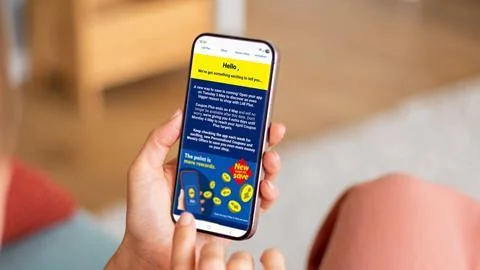
Lidl Plus Overhaul Sparks Fury as Loyalty Scheme Becomes Less Generous
Lidl has rolled out a major update to its Lidl Plus loyalty programme, replacing the old Coupon Plus system with a new points-based model called Lidl Plus Points. The change, which came into force on Tuesday, May 5, has sparked a wave of criticism from shoppers who say the new scheme offers significantly less value than before.
Under the revamped programme, customers now earn one point for every £1 spent in store, with points rounded up to the nearest pound. These points can be redeemed in a new ‘Rewards Marketplace’ for money-off vouchers or free products such as bakery items. However, many loyal customers claim that the old system—which offered rewards like 10% off a full shop after spending £250 in a month—was far more generous.
A Lidl GB spokesperson defended the changes, saying they were introduced “following customer feedback” and that Lidl Plus Points “offers a brand new way for shoppers to save even more on their weekly essentials and middle aisle finds.” The supermarket also pointed to promotional features such as double and triple points on selected products, and a ‘Rewards of the Week’ scheme that offers discounts on specific items.
Why Shoppers Are Unhappy: The Numbers Behind the Backlash
The scale of the discontent is visible across social media, where customers have described the new scheme as a “slap in the face” and “insulting.” The core of the complaint is simple arithmetic: under the old Coupon Plus system, spending £250 in a month earned a 10% off voucher—equivalent to £25 off a £250 shop. To get the same £25 discount with the new points system, a shopper would need to spend £2,500, because 250 points are needed to get a £2.50 voucher, and points are earned at a rate of one per pound.
More everyday rewards have also become harder to reach. Previously, a free bakery item was unlocked after spending just £10 in a month. Now, a pain au chocolat costs 70 points, meaning a customer must spend £70 to earn it. One exasperated customer calculated that £250 of shopping under the old system could earn a 10% discount; under the new system, they wrote, “now we get a loaf of bread and a cucumber.” A cucumber costs 100 points, while a seeded bloomer costs 150.
For those who previously relied on the monthly spending thresholds, the shift feels like a clear downgrade. The old scheme offered a variety of free products at different spending levels—such as a free vegetable item at £50—and the popular 10% off voucher at £250. These rewards were automatic once the threshold was met. Now, customers must actively choose and activate coupons from the app, and each point spent is worth just 1p off the shop (e.g., 300 points equals £3 off).
A Shift in Strategy: Matching Rivals but Risking Loyalty
With this update, Lidl has moved its loyalty scheme closer to those of major competitors such as Tesco (Clubcard) and Sainsbury’s (Nectar), both of which use points-based models. Retail analyst Catherine Shuttleworth told the BBC that while the new system “feels less generous up front to the shopper, it will be more controllable in the longer term and will allow Lidl to reward shoppers at important moments in the year.”
The change also follows a period of intense scrutiny of supermarket loyalty pricing. In 2024, the UK’s competition watchdog investigated loyalty schemes and found that customers “can almost always make a genuine saving on the usual price by buying loyalty priced products.” However, the watchdog also noted that supermarkets “could do more” to ensure under-18s and those without smartphones could access the benefits. Lidl’s new points system remains app-based, potentially excluding some shoppers.
Despite the backlash, Lidl has made some improvements. Points now last for two years, whereas old coupon rewards expired within days. The app also continues to offer personalised weekly discounts and the popular ‘middle aisle’ deals. The supermarket has given all users 100 free points to start, and is running a double-points promotion on fruit until May 22.
Broader Implications: Is the Points Arms Race Backfiring?
The discontent at Lidl is part of a broader trend in UK retail loyalty programmes. M&S recently revamped its Sparks card with similarly mixed reactions, and rivals are constantly tweaking their offerings to balance customer delight with profitability. For a discounter like Lidl, which built its reputation on rock-bottom prices without the need for a complex loyalty scheme, the points system represents a significant strategic pivot.
While the old Coupon Plus model was simpler and directly rewarding, it also encouraged shoppers to consolidate their spending at Lidl to hit monthly thresholds. The new points system, by contrast, spreads the reward over time and encourages more frequent trips, but it may also dilute the sense of immediate gratification that drove customer loyalty.
Some shoppers have already threatened to take their business elsewhere. One commenter on social media said the old rewards “were the only reason I shopped at Lidl,” while another called the change “a downgrade in every measurable way.” Whether this translates into actual loss of custom remains to be seen. In the meantime, Lidl is betting that the long-term flexibility of a points system—and the ability to run targeted promotions—will keep customers engaged.
The supermarket insists that the new scheme offers “even better value,” but for now, the numbers tell a different story for many of its most loyal shoppers.
Comments