
New Search Warrant Served in Kristin Smart Investigation
Law enforcement officials served a court-approved search warrant Wednesday at a home in the 500 block of East Branch Street in Arroyo Grande, California, as part of the ongoing investigation into the disappearance and murder of Kristin Smart. The San Luis Obispo County Sheriff’s Office confirmed the activity is linked to the case, which has haunted California’s Central Coast for three decades.
Sheriff Ian Parkinson was observed on the scene Wednesday morning, along with multiple deputies and investigators. The property is owned by Susan Flores, the mother of Paul Flores, who was convicted of Smart’s murder in 2022. The search comes nearly 30 years to the day after Smart, a 19-year-old California Polytechnic State University freshman, vanished from the Cal Poly campus on May 25, 1996.
“The Sheriff’s Office remains committed to bringing Kristin home to her family,” the department said in a brief statement, declining to provide further details about the nature of the search. Authorities noted that the warrant was signed by a Superior Court judge and that no additional information would be released at this time.
What We Know About the Search
The San Luis Obispo County Sheriff’s Office described the search as part of an “additional investigation” tied to the Smart case. While officials have not disclosed what they are looking for or whether any evidence has been recovered, the property at East Branch Street has been searched before. In 2020, investigators served a search warrant at the same home, which was then also owned by Susan Flores. That earlier search was part of a renewed push to locate Smart’s remains.
Wednesday’s warrant was executed exactly three years after Paul Flores was sentenced to 25 years to life in prison for the murder of Kristin Smart. His father, Ruben Flores, was acquitted of being an accessory after the fact in 2022. The case has drawn widespread media attention and sparked the creation of the popular podcast “Your Own Backyard,” which helped revive the investigation after years of inactivity.
The Long Shadow of Kristin Smart’s Disappearance
Kristin Smart’s disappearance in 1996 was one of the most perplexing unsolved cases in California history. A 19-year-old student from Stockton, Smart was last seen walking with Paul Flores after an off-campus party. Her body has never been found, despite extensive searches.
Paul Flores was the last known person to see Smart alive. For years, he asserted his innocence and faced no charges, but public pressure and new evidence led to his arrest in 2021. During his trial, prosecutors argued that Flores killed Smart in her dorm room during an attempted sexual assault. They said that either Paul or his father, Ruben, then disposed of her remains, possibly by burying them under Ruben’s former home in Arroyo Grande.
Why This Search Matters
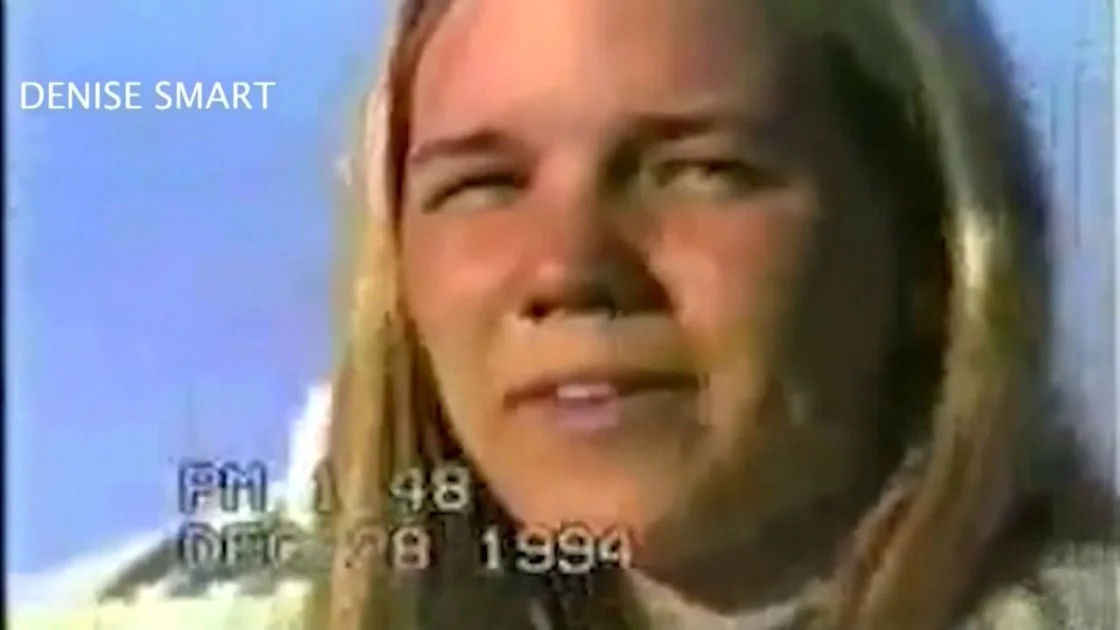
For the Smart family, every search warrant brings a mix of hope and dread. Kristin’s mother, Denise Smart, has publicly stated that she wants nothing more than to bring her daughter home for a proper burial. The case has seen multiple searches over the years, including excavations at Ruben Flores’ property in 2021, which yielded no human remains but did uncover what investigators described as “possible evidence of soil disturbance.”
The warrant served Wednesday suggests that investigators have not abandoned their quest for remains or additional evidence. It also indicates that law enforcement may have received new information or developed new leads. According to the sheriff’s office, the warrant came after a judge found probable cause, meaning prosecutors presented evidence that a crime may have occurred or evidence may be found at the location.
The Conviction and Ongoing Appeals
Paul Flores, now in his late 40s, was found guilty of first-degree murder in 2022. He is currently serving his sentence at a California state prison. He has maintained his innocence and has appealed his conviction, arguing that there was insufficient evidence and that the trial was tainted by pretrial publicity.
During the trial, the prosecution relied heavily on circumstantial evidence, including testimony from fellow students who said Flores had made inappropriate comments about Smart and acted strangely after her disappearance. They also presented evidence that Flores had a history of sexual misconduct.
Ruben Flores, now in his 80s, was acquitted of charges that he helped his son conceal the murder. He has maintained that he did not know what happened to Kristin Smart. The case against him was largely based on testimony from a former girlfriend of Paul Flores, who claimed that Ruben told her he had helped dispose of a body.
The Role of the Community and Media
The Kristin Smart case is a striking example of how true-crime journalism and public persistence can influence a cold-case investigation. The podcast “Your Own Backyard,” created by journalist Chris Lambert, brought tens of thousands of listeners to the story, many of whom called for renewed police action. The podcast, which began in 2019, featured interviews with witnesses, former law enforcement officers, and the Smart family. It is widely credited with putting pressure on local authorities to reopen the case and ultimately secure a conviction.
Lambert, who was subpoenaed during the trial and initially resisted turning over his unpublished notes, has continued to cover the story. His work sparked a broader trend of podcasts influencing criminal investigations, a phenomenon seen in similar cases across the United States.
Broader Implications: Cold Cases and Renewed Investigations
The new search warrant in the Kristin Smart case is emblematic of a larger shift in how law enforcement approaches cold cases. Advances in DNA technology, geophysical scanning, and community engagement—often spurred by media coverage—have allowed agencies to revisit old evidence and pursue new leads.
What This Means for Other Families
For families of missing persons, the Smart case offers both caution and hope. It shows that even three decades after a disappearance, investigators can still act on new information. But it also illustrates that closure is not always guaranteed. Smart’s remains have never been found, and the search Wednesday might not change that.
As of May 2026, approximately 69,000 missing persons cases remain open in the United States, according to the FBI. Many of these involve people who disappeared under suspicious circumstances but never received the level of attention that the Smart case ultimately achieved.
The Cost of Prolonged Investigations
Public resources also come into play. The Smart investigation has cost millions of dollars over the years, including the costs of two major trials and multiple search warrants. In 2021, the San Luis Obispo County Sheriff’s Office spent an estimated $500,000 on the excavation at Ruben Flores’ property alone. The ongoing costs raise questions about how jurisdictions prioritize cold cases when budgets are tight.
Yet for the Smart family, the cost is irrelevant. In a statement released after the 2021 search, Denise Smart said, “We will not stop until we find her.” That sentiment appears to be shared by the sheriff’s office, which despite limited public statements, has consistently affirmed its commitment to the case.
The Next Steps in the Investigation
It remains unclear whether the search warrant executed Wednesday will lead to a breakthrough or prove to be another dead end. Investigators have not said what they are looking for, but given the history of the case, it is likely they are searching for human remains, personal effects belonging to Smart, or evidence that could be used to further support the case against Paul Flores or others.
The sheriff’s office has not indicated when it will release additional details. It also has not said whether any arrests are expected or whether the search is tied to an active investigation of a new suspect.
The Smart Family’s Vigil
As May 25 approaches—the 30th anniversary of Kristin Smart’s disappearance—the renewed search is likely to heighten emotions for the family and the community. The Smart family has repeatedly called for anyone with information to come forward, and the sheriff’s office has maintained a tip line for the case.
The investigation into Kristin Smart’s death is far from over. The new search warrant is a reminder that, for many cold cases, the end is not a conviction but the elusive discovery of a single piece of evidence that can bring peace to a grieving family. Until that day comes, the East Branch Street home—and the San Luis Obispo County Sheriff’s Office—will likely remain at the center of one of California’s most haunting mysteries.
Comments