
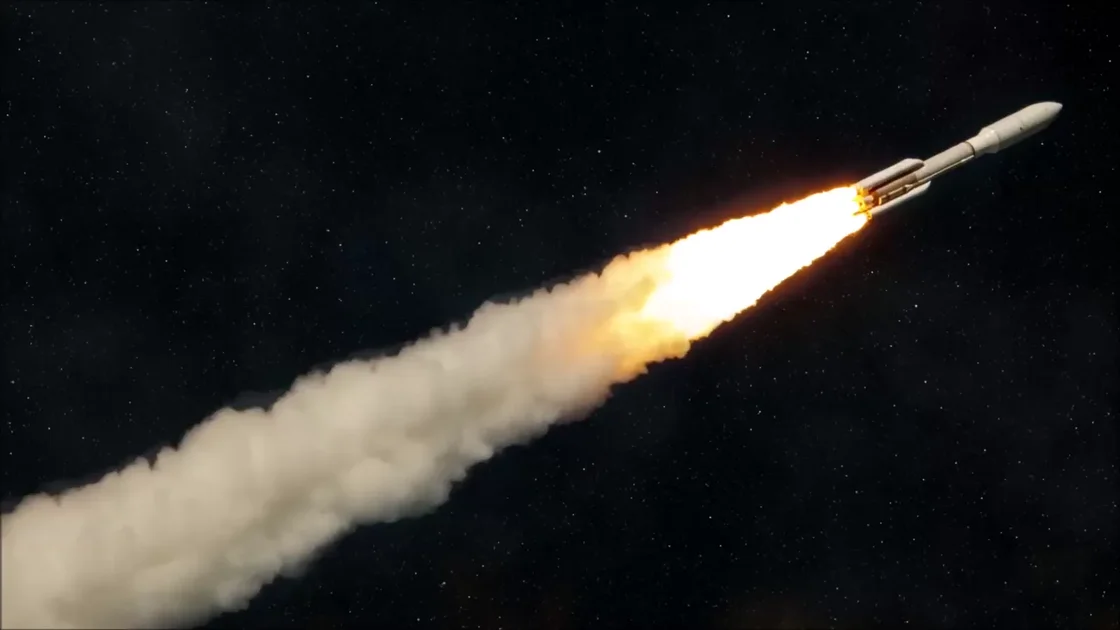
SpaceX Debuts at $1.77 Trillion Amid Volatility Warnings
SpaceX officially began trading on June 12, 2026, with an IPO price set at $135 per share, valuing the Elon Musk-led company at approximately $1.77 trillion. While the listing has been met with explosive investor demand—reported at more than four times the originally planned offering size—financial commentators are sounding alarms over the potential for extreme first-day price swings.
Jim Cramer, host of CNBC’s "Mad Money," became one of the most prominent voices advising caution. In a series of posts on X on Friday, Cramer argued that rather than a massive first-day surge, the ideal outcome for SpaceX would be a modest gain of 25% to 30%. He specifically warned against repeating the pattern seen in the recent Cerebras Systems IPO, which soared 89% on its debut only to later plunge more than 35%.
“We don't want an 89% pop like with Cerebras. We want a 25-30% pop which would be a great start. People hang on to it and buy more. Not flip it. Which must be avoided,” Cramer wrote.
Retail ‘Unguided Missiles’ and Index Inflows
Cramer’s warning centers on the unique forces converging around SpaceX’s market entry. Heavy institutional buying is colliding with intense retail enthusiasm, while the possibility of inclusion in major stock indexes could trigger further passive inflows. He described inexperienced retail traders flocking to the stock as “new, unguided missiles who can’t be controlled,” noting that many could place market orders rather than limit orders, driving prices to unsustainable levels in the opening moments.
According to a CNBC report, Cramer raised the prospect that SpaceX’s market capitalization could briefly hit between $4 trillion and $5 trillion on the first day. “Can a $4 to $5 trillion stock really be at hand?” he asked rhetorically, before answering: “For a few minutes perhaps, just as long as it takes to gaffe a marlin.” He added that such a spike would amount to a mirage, as rapid gains often evaporate when buying pressure subsides.
Why the Stakes Are Unusually High
A Watershed Moment for Elon Musk and the Market
The SpaceX IPO is widely seen as a defining event not just for the company, but for CEO Elon Musk’s broader business empire. Wedbush analyst Dan Ives, speaking on Bloomberg, called it a “watershed moment for Musk.” Ives emphasized that SpaceX should be understood as a “broader data and AI story rather than a pure-play space company,” which could expand its investor base.
Ives also noted that the odds of a merger between Tesla Inc. and SpaceX now stand at more than 80%, suggesting the IPO could be a piece of a larger strategic plan. “Anyone owning SpaceX, you’re buying it for the Musk factor. Many that bet against Tesla and Musk, going back a decade ago… that was proven historically wrong,” he said.
Skepticism from Short-Sellers and Analysts
Not everyone shares the bullish outlook. Veteran short-seller Jim Chanos dismissed the $1.75 trillion valuation as built on “hopes and dreams.” Seabreeze Partners’ Doug Kass valued the company at roughly $70 per share—a nearly 50% discount to the IPO price—while Morningstar analysts echoed similar concerns in a note this week.
Cramer himself compared the current hype to the aftermath of the Figma listing in July 2025, which also saw shares surge before entering a prolonged decline. “Those companies also saw their shares keep surging early on amid an investment frenzy, but the overheated pattern soon cooled and they entered a long-term decline, ultimately leaving most investors deeply disappointed,” he said.
Broader Implications for IPO Market Dynamics
The SpaceX debut may serve as a bellwether for how the market handles high-profile, heavily subscribed tech IPOs in an era of retail-driven volatility. The combination of massive institutional demand, index-linked passive flows, and retail traders using market orders creates conditions that can send valuations to extremes—but rarely sustain them.
Cramer’s central argument is that a controlled debut, with gradual price discovery over weeks and months, would benefit long-term holders far more than a flashy opening-day spike. “The ultimate goal should be to create a controlled debut environment in which the stock can build value over the long term, rather than putting on a flashy first-day surge show,” he said.
As SpaceX shares begin trading, all eyes will be on whether the market can avoid the overheating that Cramer and others have predicted. If the stock does briefly touch a $5 trillion valuation, it would momentarily surpass the world’s largest companies—but as Cramer warns, such a move may last only minutes before reality sets in.
In a related note, while the financial world focuses on SpaceX, other sectors are also making headlines. For instance, the Met Office has issued a June heatwave verdict forecasting 34°C temperatures in the UK mid-month, and the England national team recently demolished Miami FC 6-0 in a behind-closed-doors World Cup warm-up match. But for now, the IPO market’s attention remains fixed on the skies—and the risks that come with trying to reach them too fast.
Comments