
Jet Fuel Crisis Grounds Spirit Airlines, Threatens Summer Travel Chaos
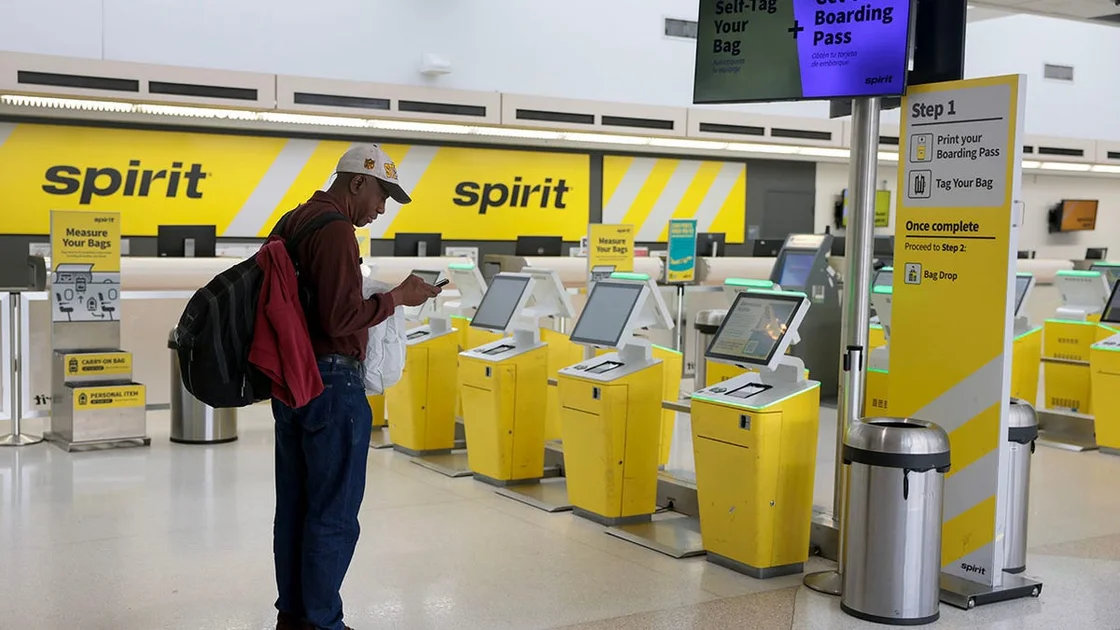
The global aviation industry is facing its most severe fuel crisis in decades as the price of jet fuel has roughly doubled since the outbreak of the Iran war, triggering a cascade of flight cancellations, fare hikes, and airline bankruptcies. Spirit Airlines became the first major casualty on May 2, 2026, when it announced an immediate shutdown, canceling all flights and beginning an "orderly wind-down" of operations after failing to secure a $500 million bailout from the Trump administration.
"Despite the Company's efforts, the recent material increase in oil prices and other pressures on the business have significantly impacted Spirit's financial outlook," the airline said in a statement. "With no additional funding available to the company, Spirit had no choice but to begin this wind-down."
The budget carrier had been operating under its second bankruptcy in less than a year, but soaring fuel costs sparked by the conflict in the Middle East derailed its recovery plans. Transportation Secretary Sean Duffy confirmed that negotiations between Spirit, its bondholders, and the White House collapsed due to a "creditor issue," leaving thousands of passengers stranded and nearly as many employees without jobs.
Spirit's collapse is just the tip of the iceberg. United Airlines has warned it may need to raise fares by as much as 20 percent, while Lufthansa has already canceled 20,000 flights to protect itself from the soaring cost of oil. In the UK, the government is "closely monitoring" the nation's jet fuel stocks, and airlines are bracing for potential disruptions as the peak summer holiday season approaches.
The Gulf Supply Shock: Why Jet Fuel Prices Have Doubled
A Strait Jacket on Global Supplies
The root cause of the crisis lies in the blockage of the Strait of Hormuz, a narrow waterway that has been closed for the past eight weeks due to the escalating conflict between the U.S., Israel, and Iran. Under normal circumstances, the Gulf region accounts for about 20% of the jet fuel traded on international markets each day, exporting far more than it consumes. Europe, which lacks sufficient refining capacity, relies on the Gulf for more than half of its jet fuel imports.
With the strait blocked, those supplies have been cut off, triggering a global scramble for alternative sources. The price of jet fuel on international markets has roughly doubled since the conflict began, according to industry analysts, and there are now concerns that physical shortages could hit some regions in the coming months unless the waterway reopens soon.
Europe's Vulnerability Exposed
The crisis has laid bare just how dependent the aviation industry is on a stable flow of fuel from the Middle East. The UK, Europe's largest consumer of jet fuel, is particularly vulnerable. While airlines typically purchase fuel in advance and airports maintain their own reserves, the Department for Transport (DfT) acknowledged on Friday that it is "closely monitoring" the nation's stocks.
In a bid to prevent further disruption, airports are easing regulations to allow airlines to cancel flights without forfeiting their allocated take-off and landing slots if fuel scarcity prevents them from operating. The European Commission has proposed a package of measures called 'AccelerateEU' to address the impact on the region's energy markets, including optimizing the distribution of jet fuel between EU countries to avoid shortages.
Airlines Respond: Cancellations, Surcharges, and Capacity Cuts
A Wave of Service Reductions
The fuel crisis is forcing airlines around the world to take drastic action. Aegean Airlines expects suspended Middle East flights and the spike in fuel prices to have a "notable impact" on its first-quarter results. AirAsia X has cut 10% of flights across the group and introduced a surcharge of about 20% on fuel costs. The move mirrors a broader trend of airlines trimming capacity and pushing up ticket prices to offset rising operational costs.
Summer Travel at Risk
With the peak summer holiday period just weeks away, the threat of further disruption is looming large. Industry experts warn that unless extra supplies can be found, a lack of fuel could lead to more cancellations and delays, potentially ruining vacation plans for millions of travelers. The Independent reports that airlines like Spirit, EasyJet, and Ryanair are among those affected, though UK carriers have insisted they are "not currently seeing a shortage of jet fuel," according to the DfT.
However, the situation remains fluid. The International Air Transport Association (IATA) has warned that if the Strait of Hormuz remains closed for several more months, the global aviation industry could face a crisis reminiscent of the 1970s oil shocks, with ticket prices rising to levels that could permanently reduce passenger demand.
The Fallout: Spirit Airlines and the Broader Implications
Spirit's Collapse: A Case Study in Vulnerability
Spirit Airlines' shutdown is a stark reminder of how fragile the aviation industry's economics have become. The ultra-low-cost carrier had built its business model on offering rock-bottom fares, but that model depended on keeping fuel costs low. When the price of jet fuel doubled, Spirit's margins evaporated, and its second bankruptcy in less than a year sealed its fate.
The airline's CEO, Dave Davis, expressed regret in a statement: "Sustaining the business required hundreds of millions of dollars, and despite our efforts, the circumstances were insurmountable." Spirit joins a growing list of airlines that have struggled with the dual pressures of post-pandemic recovery and the Iran war-driven fuel crisis.
What This Means for Travelers
For passengers, the crisis is translating into higher fares and fewer options. United Airlines has already adjusted its full-year outlook downward, from $12–$14 per share to $7–$11 per share, and warned that ticket prices could rise by up to 20% in the coming months. The elimination of budget carriers like Spirit also means that the price floor for air travel is rising, making flights less accessible for price-sensitive consumers.
Meanwhile, the UK government is taking steps to mitigate the impact, including easing slot regulations and encouraging airlines to plan for potential shortages. But for travelers, the advice is clear: book early, expect higher prices, and be prepared for possible disruptions. The crisis is also affecting other sectors; for example, Manchester Airport Terminal 2 Reopens After Police Pursuit Crash Injures Driver, highlighting the broader pressures on airport infrastructure.
The Bigger Picture: How This Changes Aviation Long-Term
A Structural Shift in the Industry
The jet fuel crisis is not just a short-term disruption; it could represent a structural shift in the global aviation industry. The closure of the Strait of Hormuz has exposed a critical vulnerability: the over-reliance of Western economies on Middle Eastern oil and refined products. Even if the strait reopens soon, the experience is likely to prompt governments and airlines to rethink supply chains, invest in domestic refining capacity, and accelerate the transition to alternative fuels.
The Rise of Sustainable Aviation Fuels?
In the longer term, the crisis could accelerate the adoption of sustainable aviation fuels (SAF), which are produced from renewable sources and have a lower carbon footprint. However, SAF currently accounts for less than 1% of global aviation fuel use, and scaling up production to meaningful levels would require massive investment. The current crisis might provide the financial and political impetus to make that investment a priority.
A Changing Consumer Landscape
For consumers, the era of ultra-cheap flights may be coming to an end. Budget airlines like Spirit have been the primary drivers of low-cost travel, and their disappearance—or transformation—could fundamentally change how people plan their holidays. Meanwhile, the broader economic implications are significant, as higher travel costs could dampen consumer spending in other sectors.
Interestingly, while the aviation industry faces turmoil, demand for other forms of entertainment and travel remains strong. For instance, Olivia Rodrigo Presale Kicks Off Today: How to Get Unraveled Tour Tickets shows that consumers are still willing to spend on experiences, albeit perhaps more selectively.
Geopolitical Tensions and Economic Ripple Effects
The Iran war has already had far-reaching consequences, from energy markets to global trade. The jet fuel crisis is one of the most visible manifestations of those tensions, affecting everything from business travel to summer vacations. If the conflict continues to escalate, the aviation industry could face even more severe challenges, including potential government intervention to ration fuel or prioritize essential flights.
For now, the message from airlines and governments is clear: the situation is serious, and everyone—from travelers to investors—should prepare for a bumpy ride. The crisis is a stark reminder that the global economy remains deeply interconnected, and that geopolitical instability can have immediate and tangible effects on people's daily lives.
What's Next? Monitoring the Situation
A Call for Diversification
The immediate priority for the industry is to secure alternative fuel supplies and reopen the Strait of Hormuz. Diplomatic efforts are underway, but there is no guarantee of a quick resolution. In the meantime, airlines are diversifying their fuel sources, exploring long-term contracts with non-Gulf producers, and investing in fuel-efficient aircraft.
Government and Industry Cooperation
The crisis has also highlighted the need for closer cooperation between governments and the aviation industry. The European Commission's 'AccelerateEU' package is a step in the right direction, but more may be needed. The UK government has said it is working with airports and airlines to ensure that contingency plans are in place, but with summer approaching, the clock is ticking.
As the situation evolves, travelers are advised to stay informed, book flexible tickets, and consider travel insurance that covers cancellation due to fuel shortages. For the aviation industry, the crisis is a defining moment that will shape its future for years to come.
Comments