
Jamaica Marks 64 Years of Independence with Pride, Reflection, and Global Celebrations
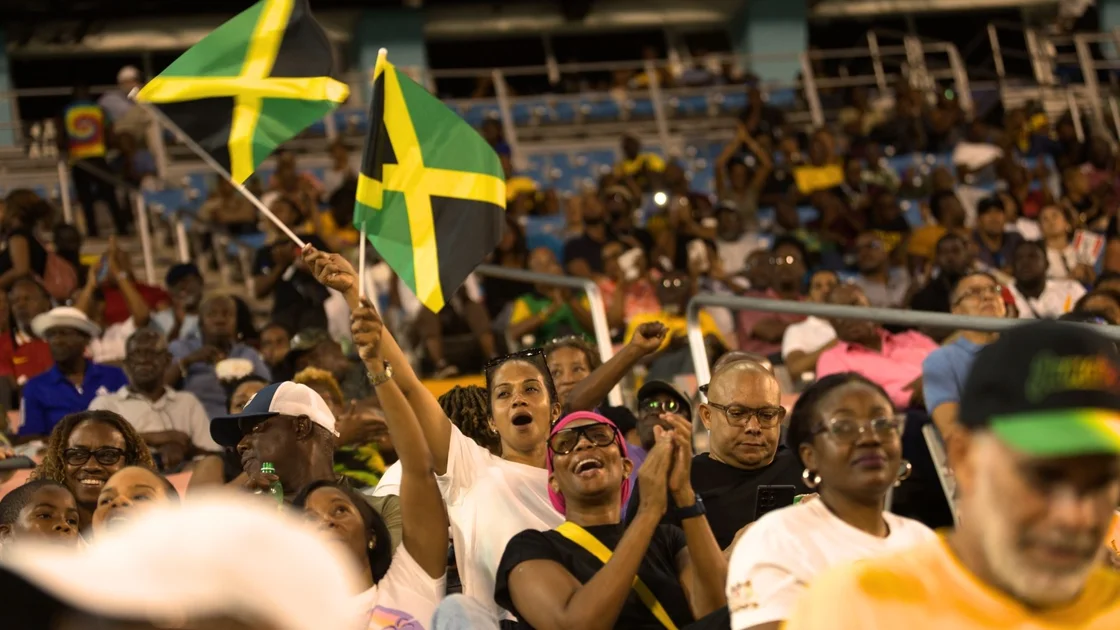
Jamaica is celebrating its 64th anniversary of independence on August 6, 2026, with a wave of national pride, cultural festivities, and international recognition. The island nation, which gained sovereignty from British colonial rule on August 6, 1962, is commemorating the historic milestone with ceremonies, parades, concerts, and family gatherings across the country and in diaspora communities worldwide.
This year’s celebrations come at a time when Jamaica’s global cultural influence—from music and sports to cuisine and film—continues to expand. The day is not just a public holiday but a profound moment of reflection on the nation’s journey from a colonial outpost to a vibrant, independent democracy.
A Day of National Celebration and Memory
From the early morning flag-raising ceremonies at King’s House in Kingston to street dances in Montego Bay and community events in rural parishes, Jamaicans are honoring their heritage in diverse ways. Schools and cultural organizations are hosting educational programs to teach younger generations about the significance of Independence Day, while families are gathering for traditional meals of ackee and saltfish, curried goat, and festive rum punch.
For many, the day evokes personal memories of 1962. Survivors of that historic moment recall the excitement of watching the Union Jack lowered at midnight and the Jamaican flag—black, green, and gold—raised for the first time. “The whole island was abuzz with preparation for the big day in August,” remembers Beverly McLean, who was a child at the time. Schoolchildren across the island had learned the new National Anthem, the National Pledge, and the National Motto, and were given commemorative flags, cups, and pens to mark the occasion.
On this 64th anniversary, those memories are being preserved through oral history projects and community storytelling. The stories serve as a bridge between the past and the present, reminding Jamaicans of the sacrifices made by earlier generations to secure the freedoms they enjoy today.
Why August 6 Matters: A Legacy of Struggle and Triumph
Jamaica’s path to independence was long and arduous. The island was originally inhabited by the Taíno people, but European colonization began in the late 15th century when Spain claimed the island. In 1655, Britain seized control, and for over three centuries, Jamaica was a key British colony, its economy built on sugar plantations that relied heavily on enslaved Africans.
The abolition of slavery in the 19th century was a turning point, but the fight for equal rights, political representation, and self-governance continued for decades. By the 20th century, nationalist leaders like Norman Manley and Alexander Bustamante galvanized the push for independence, advocating for constitutional reforms and democratic governance.
The culmination came on August 6, 1962, when Jamaica officially became an independent nation and joined the Commonwealth. The event marked the end of colonial rule and the beginning of self-determination. As one survivor, CAW, who was 13 at the time, recalled, “There was a sense of excitement in the air.” He even entered the national anthem competition, noting with humor, “They wrote me to say they did not choose mine.”
The Enduring Importance of Independence
Independence Day is more than a historical anniversary; it is a celebration of Jamaican identity and resilience. The nation has made remarkable contributions to global culture—from reggae music and Rastafarianism to Olympic sprinting and literary achievements. Bob Marley, Usain Bolt, and Louise Bennett-Coverley are just a few names that have put Jamaica on the world stage.
The day also serves as a reminder of the importance of democracy, unity, and national development. Government leaders, including Prime Minister Andrew Holness, have used the occasion to address the nation, emphasizing the need for continued progress in education, economic growth, and social justice.
Meanwhile, the diaspora is playing an increasingly significant role in Jamaica’s development. Remittances from Jamaicans abroad contribute significantly to the economy, and many expatriates return home for Independence Day celebrations, reinforcing ties between the island and its global community.
Tourism and Economic Significance: Sandals Resorts Launches Anniversary Campaign
The celebration of Jamaica’s independence has also become a key driver for the tourism industry, which is vital to the island’s economy. In a notable development, Sandals Resorts—one of the Caribbean’s largest luxury resort chains—has launched a special Jamaica Independence Day campaign with incentives for travel advisors. The campaign aims to attract visitors to the island during the festive season, capitalizing on the global interest in Jamaican culture and history.
The campaign is a testament to the commercial and cultural significance of Independence Day. By tying the holiday to travel deals, Sandals is leveraging the emotional connection that many travelers have with Jamaica, particularly its music, cuisine, and warm hospitality.
A Global Spotlight on Jamaica
International attention on Jamaica’s Independence Day has grown in recent years. This year, the Russian Foreign Ministry extended official congratulations to the people of Jamaica, highlighting the friendly bilateral relations that have existed for over half a century. In March 2025, the two countries marked the 50th anniversary of diplomatic ties, and the message emphasized mutual respect and cooperation.
Such international recognition underscores Jamaica’s standing as an influential nation in the Caribbean and beyond. The country plays an active role in regional organizations such as CARICOM and has been a vocal advocate for issues like climate change, which disproportionately affect island nations.
Perspective: What Independence Day Means for the Future
As Jamaica celebrates its 64th anniversary, the focus is not only on the past but also on the future. Younger generations are being encouraged to learn about their history and to contribute to the nation’s continued development. Educational initiatives, such as school programs and museum exhibitions, aim to instill a sense of pride and responsibility.
There is also a growing movement to preserve historic sites and documents from the independence era. Oral histories from those who witnessed the events of 1962 are being recorded for posterity, ensuring that the voices of the founding generation are not lost.
Challenges and Opportunities Ahead
Despite the celebrations, Jamaica faces significant challenges, including economic inequality, crime, and the impacts of climate change. However, the spirit of independence that fueled the nation’s founding continues to inspire solutions. Entrepreneurs are leveraging technology and tourism to diversify the economy, while community leaders are working to address social issues at the grassroots level.
The global pandemic has had lasting effects on the tourism-dependent island, but the recovery is underway. Visitor arrivals have rebounded, and the government is investing in infrastructure and sustainable tourism practices. Independence Day serves as a moment to take stock of these efforts and to recommit to a vision of prosperity for all Jamaicans.
A Celebration of Culture and Identity
At its core, Independence Day is a celebration of Jamaican culture. From the vibrant colors of the flag to the rhythms of reggae and dancehall, the island’s identity is rich and unmistakable. Food, music, art, and language are all on display during the holiday, reinforcing a sense of belonging and shared heritage.
The global appreciation for Jamaican culture continues to grow. International festivals, film premieres, and music collaborations featuring Jamaican artists are becoming more common, and the country’s influence can be seen in fashion, cuisine, and lifestyle trends around the world. This cultural export is a source of national pride and economic potential.
Conclusion: A Day of Reflection and Renewal
Jamaica Independence Day 2026 is more than a commemoration of a historical event; it is a living tradition that underscores the resilience and creativity of the Jamaican people. As the island celebrates with fireworks, concerts, and family gatherings, it also looks forward to the next chapter of its journey.
The legacy of 1962 is one of hope and determination. It reminds Jamaicans—and the world—that freedom is hard-won and must be nurtured. With a strong sense of national identity and a commitment to progress, Jamaica is poised to continue making its mark on the global stage for decades to come.
For those unable to join the festivities in person, the celebrations are being broadcast and streamed online, allowing the diaspora and international fans to participate in the joy. As the Jamaican motto puts it: “Out of many, one people.” On this day, that unity is celebrated with pride and optimism.
Comments