
Mother Charged in Twins’ Deaths Reignites Vaccine Debate
An Idaho mother, Andrea Shaw, 23, has been indicted on two counts of first-degree murder in connection with the May 2025 deaths of her 18-month-old fraternal twins, Dallas and Tyson Shaw. The Payette Police Department announced the indictment on June 29, 2026, following a year-long investigation. Days after the children were found dead in a shared bed, Shaw appeared on a podcast produced by Children’s Health Defense, an organization formerly led by current U.S. Health and Human Services Secretary Robert F. Kennedy Jr., and suggested the twins became ill and died shortly after receiving three routine vaccinations.
Authorities have not officially disclosed the cause of death. Shaw’s attorney, Joseph Filicetti, maintained that the deaths were vaccine-related, though he did not provide supporting evidence. Shaw was arrested without incident in Boise and has not yet entered a plea. She recently gave birth prematurely to another child, who is being cared for by her husband.
Vaccine Safety Under the Microscope
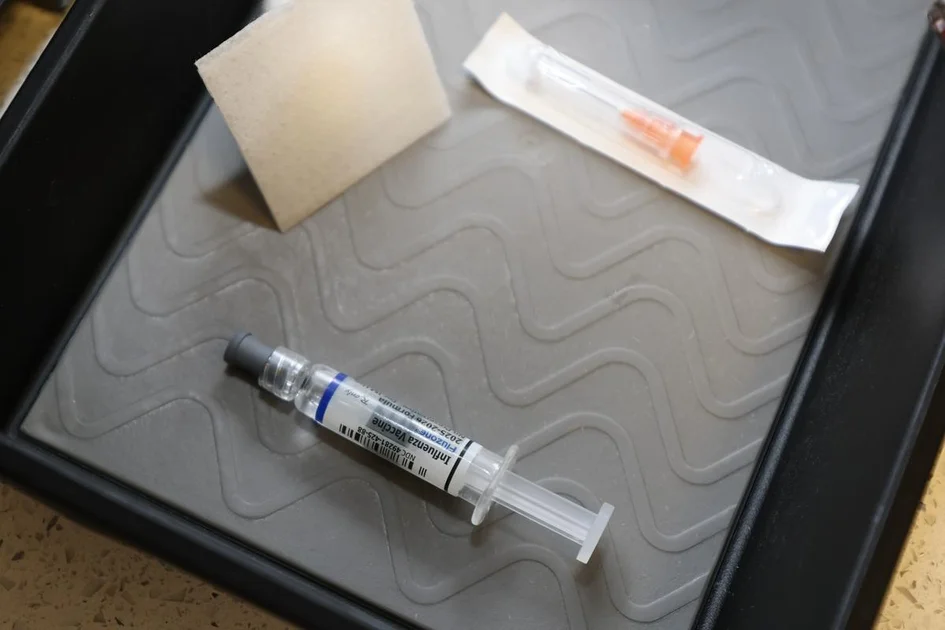
The case unfolds against a backdrop of heightened scrutiny of vaccine safety and efficacy. In a separate development, a recent study published in the New England Journal of Medicine examined Moderna’s new mRNA-based influenza vaccine, mFlusiva. The trial, which enrolled over 40,000 participants aged 50 and older, found that the vaccine reduced absolute influenza risk by only 0.8% — meaning it potentially helped 8 out of every 1,000 recipients. Meanwhile, 6.4% of recipients experienced severe adverse reactions, a rate five times higher than that of standard flu shots. Critically, the trial also recorded five deaths among vaccine recipients, raising questions about the risk-benefit profile of the new formulation.
The Informed Consent Action Network (ICAN), a group critical of vaccine mandates, highlighted these findings in a letter to the FDA’s Vaccines and Related Biological Products Advisory Committee, arguing that the vaccine’s limited efficacy and higher reaction rates undermine its public health value.
The Stakes: Trust, Regulation, and Global Access
The Idaho murder case and the mFlusiva trial data underscore deep divisions in public perception of vaccines. While multiple large-scale studies — including those from the CDC and WHO — consistently affirm the safety and effectiveness of approved vaccines, high-profile adverse events and legal cases fuel skepticism. The Shaw case may set a legal precedent: if a parent can be charged with murder for acting on anti-vaccine beliefs, it could deter others from forgoing or delaying childhood immunizations.
Meanwhile, Africa is accelerating its push for vaccine manufacturing autonomy. The Africa Centres for Disease Control and Prevention, supported by the global vaccine alliance Gavi, aims to produce 60% of the continent’s vaccines locally by 2040. Gavi’s $1.2 billion African Vaccine Manufacturing Accelerator is expected to make its first cash disbursements to an African manufacturer in the second half of 2026, moving projects from construction to commercialization. The initiative is a direct response to the COVID-19 pandemic, when African nations struggled to access doses while wealthy countries hoarded supplies.
Regulatory and Economic Pressures
Recent cuts to Western health aid have sharpened the urgency for self-reliance. African health officials are pushing for technology transfer agreements that go beyond simple fill-and-finish operations, aiming to build full-cycle production capacity. This effort faces hurdles: securing long-term buyers, establishing trusted regulators, and attracting patient capital.
In the United States, the mFlusiva trial results may influence future FDA regulatory decisions. The agency’s advisory committee will weigh the vaccine’s marginal benefit against its higher reactogenicity. The outcome could affect public confidence in mRNA platforms, which were central to COVID-19 vaccines but now face a more skeptical audience for seasonal flu prevention.
Broader Implications: A Fractured Landscape
As America marks its 250th Independence Day with celebrations America Turns 250: Historic July 4 Celebrations Sweep the Nation, the vaccine debate reflects a nation — and a world — grappling with how to balance innovation, safety, and individual choice. The Idaho murder case and the flu vaccine data together illustrate a polarized environment where scientific consensus and lived experience often clash.
The long-term impact may be regulatory: stricter adverse event reporting, more transparent risk communication, and perhaps legal protections for parents who follow official vaccine schedules in good faith. Globally, the push for African vaccine manufacturing represents a shift toward health sovereignty, but success will depend on sustained international cooperation and investment.
For now, the family of the Shaw twins seeks justice, regulators parse trial data, and millions of parents continue to make daily decisions about vaccinating their children — a choice that remains one of the most consequential in public health.
Comments