
Record Imbalance Between Sellers and Buyers Signals Deepening Affordability Crisis
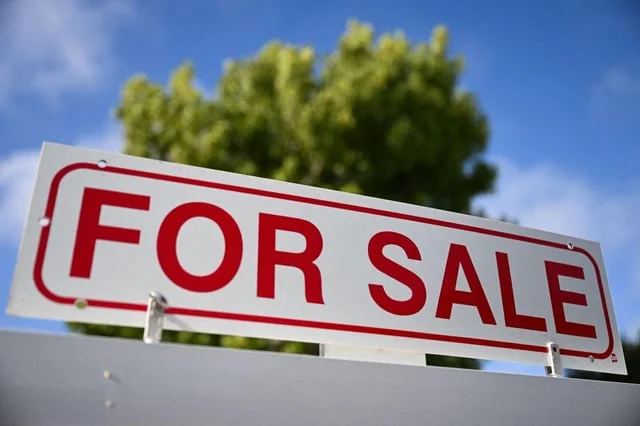
The U.S. housing market is showing fresh signs of strain as the number of homes for sale continues to outpace buyers by a historic margin. In August, Redfin reported that the number of owners listing their homes was 58% higher than the number of buyers—the largest gap since the company began tracking such data in 2013. The imbalance comes as mortgage rates creep closer to 8%, home prices remain elevated, and inflation stays stubbornly high, creating a affordability crisis that has pushed many would-be buyers to the sidelines.
Yet economists are not predicting a crash. A recent J.P. Morgan real estate market outlook described the situation as a "deepening affordability crisis" rather than a bubble poised to burst, noting that employment and the broader national economy remain steady. Private-sector employment grew by 90,000 jobs in September, exceeding expectations, and UCLA Anderson’s latest analysis described the U.S. economy as having "proved surprisingly resilient through a series of shocks."
Legislative Relief on the Horizon, But Not Yet
Congress passed the 21st Century ROAD to Housing Act in July—a bipartisan effort aimed at reducing housing costs and increasing supply. However, its initiatives will not take effect until January 7, 2027, leaving current market conditions largely unchanged for now. The legislation could eventually help prop up the real estate market by addressing supply constraints, but its delayed implementation offers little immediate relief to buyers facing near-8% mortgage rates and rising prices.
A Buyer’s Market—For Those Who Can Afford It
The surplus of sellers over buyers might sound like good news for house hunters, and in some respects it is. "Even during a time when housing costs are elevated, the surplus of sellers over buyers makes it a good time to be a house hunter, in some respects," said Asad Khan, a senior economist at Redfin. But the analysis noted that it is only a buyer’s market for people who can afford to buy. High housing costs and widespread economic uncertainty have caused many would-be buyers to back off in recent years, creating the current imbalance.
The affordability crunch is also weighing on adjacent industries. Home Depot, a bellwether for the housing sector, has seen its stock decline about 11% over the past year as housing turnover has slumped to record lows. CFO Richard McPhail said in August that turnover "has never been lower as a percentage of the housing stock" and has stayed near those lows for four years. Yet McPhail noted that customers "have the means to spend" but feel uncertain about inflation, interest rates, and jobs. "They’re not yet ready to unleash that power of spending into large projects, but we know that the potential is there," he said.
Pent-Up Demand Could Fuel Future Rebound
Home Depot has posted eight straight quarters of same-store sales growth with professional contractors, who make up more than half of its sales—a sign that underlying demand remains intact. That pent-up demand could unleash a wave of spending once housing activity recovers, analysts say. For investors with a long-term horizon, the current weakness in housing-related stocks may represent an opportunity rather than a warning sign.
Broader Implications: A Market in Wait-and-See Mode
The housing market’s current stalemate reflects a broader economic tension: consumers are financially capable but psychologically cautious. The 10-year Treasury yield has reached quarter-century highs, keeping mortgage rates elevated and discouraging both buyers and sellers from making moves. Sellers who locked in low rates years ago are reluctant to list, while buyers face monthly payments that stretch budgets to the limit.
This standoff is unlikely to resolve quickly. The Federal Reserve’s fight against inflation has kept borrowing costs high, and while the job market remains durable, wage growth has not kept pace with housing costs in many regions. The result is a market that is neither crashing nor thriving—it is frozen.
For now, experts advise patience. The J.P. Morgan outlook and other forecasts do not foresee a housing crash in 2026, but they also do not expect a rapid recovery. The ROAD to Housing Act could provide a tailwind once implemented, and any easing of interest rates would likely unlock significant demand. Until then, the record gap between sellers and buyers serves as a stark reminder that affordability, not aspiration, is the defining challenge of the current housing cycle.
As Home Depot’s McPhail put it, customers are waiting for more certainty. For the housing market, that certainty may be the most scarce commodity of all.
Comments