
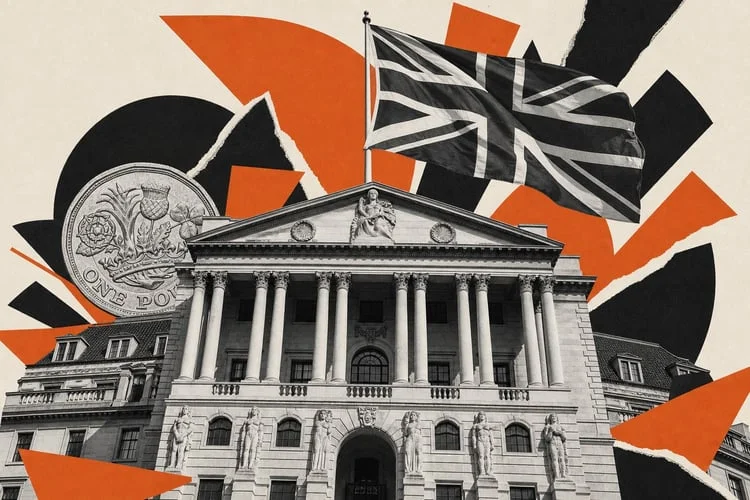
Pound Surges to Post-Brexit High
The British pound has risen to its highest overall level since the Brexit referendum over a decade ago, according to Bank of England figures. Sterling's trade-weighted index, which measures the currency against a basket of 18 major currencies, reached 86.4 this week—its joint highest level since June 2016. The index uses 2005 as its base year, with a value of 100 representing the pound's value at that time. The Bank will officially confirm the calculation on Thursday.
Against the dollar, the pound was up 0.13% at $1.3495, while it slipped 0.16% against the euro to €1.1979 as of 04:15 GMT on Thursday. The rally comes ahead of an expected rise in interest rates, with the Bank's nine-member Monetary Policy Committee widely anticipated to announce the first rate hike in three years on Thursday.
Travel and Tourism Implications
The currency shift has immediate consequences for international travel. British holidaymakers could see increased purchasing power ahead of the Christmas season, particularly in European and American destinations. However, inbound visitors to the UK may face higher relative costs as their currencies buy less sterling. The timing coincides with Britain's busiest winter holiday period, when festive city breaks and Christmas shopping drive substantial consumer spending.
Context: A Decade of Turbulence
The pound's journey since the 2016 referendum has been marked by significant volatility. Sterling fell sharply after the vote and reached further lows during the prolonged Brexit process, the COVID-19 pandemic, and the September 2022 mini-Budget. Those lows reflected persistent political uncertainty and concerns over the UK's economic trajectory outside the European Union.
Shifting Sentiment
According to traders cited by the BBC, the UK is now being viewed in a different light, buoyed by relative political stability, solid growth, and a rapprochement with the European Union. Jim O'Neill, an economist and former Treasury minister, said: "I'm not surprised. People were, and to a lesser extent, are, underestimating the improving momentum in the UK." UK growth so far this year has outperformed all forecasts, though there are signs that higher energy and fuel prices have begun to weigh on consumer confidence.
A stronger pound can help rein in inflation by reducing the cost of imports and increase consumers' buying power both at home and abroad. The currency's recovery therefore represents a notable turnaround for a country that has spent years grappling with the economic fallout of its departure from the EU.
Perspective: Recovery Amid Persistent Brexit Costs
While the pound's rise signals improved market confidence, it does not erase the broader economic challenges facing UK businesses. Separate analysis revealed this week that Brexit red tape has cost UK firms £7.7bn in trade with the European Union over just four years. Official HMRC figures show traders' costs topped £1.8bn in 2022 alone for administrative customs declarations, with 160.4 million declarations filed between 2022 and 2025.
Business Burden Remains
Lib Dem Europe spokesperson Al Pinkerton, who obtained the figures, said they laid "bare the crushing price of red tape holding our economy back." John Powell, chief executive of the British Meat Processors Association, noted a "fundamental misconception" that leaving the EU freed British businesses from following EU rules. "The reality is that if we want to sell our products into our biggest and closest export market, we have to meet its standards… what Brexit changed was that we now have to prove it with a mountain of costly paperwork, certificates and checks," he said.
The contrast between sterling's revival and the persistent bureaucratic burden on exporters highlights the mixed economic reality of post-Brexit Britain. For consumers and holidaymakers, the stronger pound offers tangible benefits. For businesses still navigating customs paperwork, the costs continue to mount. The Bank of England's rate decision on Thursday will be the next test of whether the currency's momentum can be sustained.
As the UK approaches the winter season, the pound's performance will be closely watched by traders, travellers, and policymakers alike—a reminder that a decade after the referendum, its consequences continue to shape Britain's economic landscape.
Comments