
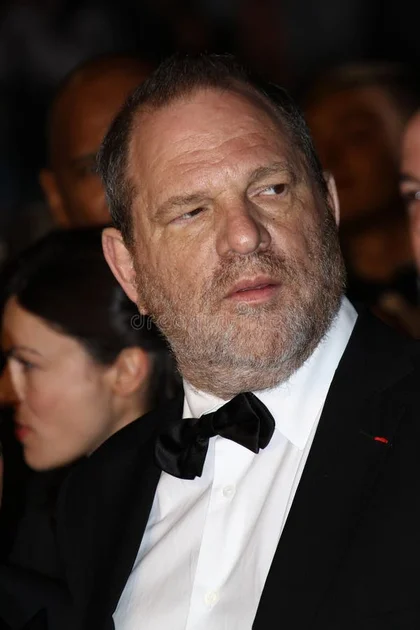
Harvey Weinstein Handed 15-Year Sentence in New York Retrial
Harvey Weinstein was sentenced to 15 years in prison Wednesday by a Manhattan judge, more than a year after a jury again found the former Hollywood producer guilty of sexually assaulting former "Project Runway" production assistant Miriam Haley, according to court proceedings and multiple news reports.
The 74-year-old appeared in a downtown Manhattan courtroom in a wheelchair, his hands cuffed to his seat, as Judge Curtis Farber delivered a sharply worded rebuke before imposing the sentence. "You took what you wanted by force, and you have never accepted responsibility," Farber said, per NBC News. The judge ordered that the term be followed by five years of supervised release and that Weinstein register as a sex offender.
Victim Impact and Defendant's Statement
Haley, who testified that Weinstein forcibly performed oral sex on her in his New York City apartment in 2006, delivered a victim impact statement in court describing the lasting damage of the assault. "He abused his position and power," she said, adding that the ordeal amounted to "a life sentence for me."
Weinstein addressed the court before sentencing, again denying the allegations while offering a qualified apology. "I am not a perfect person," he said, "but I am a person who has made mistakes." He later added: "I am not a violent man." Prosecutors had sought a 20-year term, while his defense team argued for nine years, citing his age and declining health and warning that a longer sentence raised the likelihood he would die behind bars. The charge, a class B felony, carries a maximum of 25 years.
A Six-Year Legal Odyssey
The sentencing closes one chapter of a protracted series of trials, appeals and courtroom proceedings that have kept Weinstein in custody since his arrest in 2018 — an event that became a defining moment of the #MeToo movement.
Weinstein was originally convicted in 2020 of third-degree rape involving former aspiring actor Jessica Mann and first-degree criminal sexual act involving Haley, and was sentenced to 23 years. That conviction was overturned in 2024 by a New York state appeals court, which ordered a new trial. In June 2025, a jury again found him guilty of first-degree criminal sexual act involving Haley, while acquitting him of a separate charge tied to allegations from former model Kaja Sokola. Jurors could not reach a verdict on the charge related to Mann's allegation, and a third trial on that count also ended in a hung jury. In late June, prosecutors declined to try the Mann case a fourth time.
Weinstein was separately convicted in Los Angeles in December 2022 of rape and two counts of sexual assault. Judge Farber asked that the New York sentence run consecutive to the California sentence, though he noted California retains the ultimate say. Time Weinstein has already served in prison is expected to apply toward the New York term.
Prosecutors Cite Lack of Remorse
Manhattan Assistant District Attorney Nicole Blumberg told the court that the defendant "doesn't deserve a day less than his original sentence," arguing he had "never shown an ounce of remorse" and had instead engaged in victim blaming and "unrelenting online harassment." She alleged that while in prison, Weinstein negotiated a $1.75 million fee for "assisting podcasters" to release videos on a "timeline that would benefit his defense" and "taint the jury pool" — an apparent reference to a May 2025 interview he conducted with Candace Owens.
Broader Implications for #MeToo Accountability
The sentencing underscores how the legal reckoning set in motion nearly a decade ago continues to grind through the courts, even as its most prominent target nears the end of his life. Farber acknowledged the dual nature of Weinstein's legacy, telling him he would be remembered for the films he brought to the screen but also for the conduct that brought him down.
For survivors and advocates, the outcome is a reminder that retrials and overturned convictions do not erase accountability, though they can prolong the process and compound the toll on accusers. The case also highlights the durability of the #MeToo movement's core demand — that powerful figures face consequences — even when the path to those consequences is fragmented across jurisdictions and years. As Weinstein's New York and California sentences are sorted out, his imprisonment is likely to remain a benchmark for how the entertainment industry and the justice system handle allegations of sexual misconduct by the powerful.
Comments