
Iran's Lead Negotiator Steps Back as Internal Rift Widens
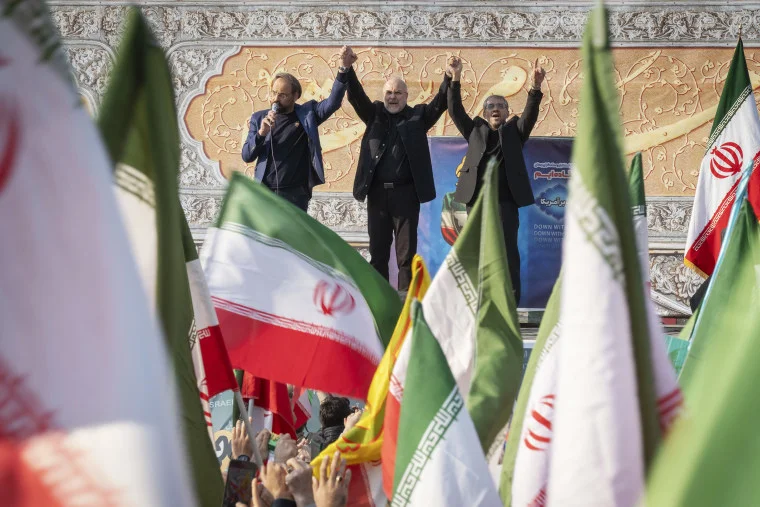
Iranian Parliament Speaker Mohammad Bagher Ghalibaf has reportedly resigned from his role overseeing nuclear and ceasefire negotiations with the United States, according to an unsourced report by Israel's Channel 12 (N12) published on April 23, 2026. The report, which has not been officially confirmed by Tehran or Washington, states that Ghalibaf stepped down following growing interference from Islamic Revolutionary Guard Corps (IRGC) generals who sought to block diplomatic concessions he had been willing to explore.
The breaking point, according to the report, was a Qatari-brokered proposal designed to ease tensions in the Strait of Hormuz. Under the initiative, 20 Iranian vessels would have been permitted to transit the strategic waterway in exchange for 20 ships from Arab Gulf ports receiving equivalent passage. The deal was ultimately blocked by Iranian officials, including Foreign Minister Abbas Araghchi, suggesting that hardline opposition extended beyond the IRGC into the broader government apparatus.
Markets React Sharply
Financial markets responded swiftly to the reports. On prediction markets, the probability of a permanent US-Iran peace deal by April 30 dropped from 18% to 9% within 24 hours. Longer-dated contracts also fell — the May 31 contract slid from 52% to roughly 34.5%, while the June 30 contract sat at 57.5%. Separately, the odds of Iran agreeing to surrender its enriched uranium stockpile by April 30 stood at just 5.9%, reflecting deep skepticism about Iranian concessions during a period of visible internal turmoil. Equity markets also registered the geopolitical shock, with the S&P 500 falling approximately 0.7% in early trading.
The Stakes: A Ceasefire Hanging by a Thread
Ghalibaf's reported exit arrives at a particularly precarious moment in US-Iran relations. Just days before, on April 22, the Parliament Speaker had publicly warned that a full ceasefire was impossible while the US maintained a naval blockade on Iranian ports. Writing on X, Ghalibaf stated that "reopening the Strait of Hormuz is impossible" given what he characterized as a breach of ceasefire terms by the United States and Israel. Iranian President Masoud Pezeshkian echoed that position, insisting that "blockade and threats" were the main obstacles to genuine negotiations.
The ceasefire between the US and Iran had been extended only a day before its initial two-week period expired, after Iranian officials refused to attend Pakistan-mediated talks in protest against the naval blockade. The fragile truce has held on the surface, but both sides have signaled readiness to return to military confrontation.
Pezeshkian's Rhetoric Shifts Noticeably
Adding to concerns about Tehran's direction, President Pezeshkian — once regarded by Western analysts as a pragmatic moderate — posted a strikingly hardline message on social media, declaring that in Iran "there are no radicals or moderates," only unity under Supreme Leader Ali Khamenei. The statement drew wide attention as it appeared to repudiate the reformist framing that had surrounded his rise to the presidency and reinforced the narrative that power in Tehran is consolidating around its most uncompromising factions.
Why Ghalibaf's Role Mattered
Ghalibaf is a conservative figure with military roots — he previously commanded the IRGC Air Force and served as Tehran's mayor — but analysts and market observers had identified him as a pragmatist who understood the severe economic costs prolonged conflict inflicts on Iran's population. His reported willingness to explore the Qatari Hormuz proposal, even one that was ultimately rejected, signaled a degree of flexibility that hardliners in the IRGC apparently found unacceptable.
If the IRGC has effectively removed him from the table, as the report implies, it represents a structural shift in Iran's negotiating posture rather than a tactical pause. The generals now appear to be in the driver's seat — a configuration that analysts note is typically associated with bracing for escalation rather than building toward compromise.
It is worth noting that at least one Iranian journalist has disputed the N12 report, calling it false, and no official confirmation has come from Tehran or the White House. Given the unsourced nature of the original claim, caution remains warranted. However, the broader diplomatic signals — the blocked Qatari proposal, Pezeshkian's unity rhetoric, and the IRGC's documented interference in talks — paint a coherent picture of mounting internal pressure against any diplomatic accommodation.
Broader Implications: Hardliners in Command, Deal Window Narrowing
The developments of April 23 reflect a wider pattern that has defined the Iran conflict since its escalation: each attempt at a negotiated off-ramp has encountered institutional resistance from factions within Iran that view concessions as existential capitulation. The IRGC's intervention in the Strait of Hormuz proposal underscores that even relatively modest confidence-building measures are being vetoed before they can reach a formal negotiating table.
For the United States, the loss of a counterpart willing to engage pragmatically complicates any near-term pathway to de-escalation. JD Vance's anticipated participation in diplomatic meetings — flagged by prediction market observers as a potential catalyst — now faces a considerably less receptive audience in Tehran. The broader geopolitical environment, including pressure on global shipping lanes and energy markets, means that the costs of continued stalemate will not remain confined to the two primary parties.
With the April 30 deadline for a potential framework agreement now viewed by markets as nearly out of reach, and with IRGC commanders apparently dictating the terms of engagement, the window for a negotiated resolution appears to be narrowing faster than diplomats on either side had hoped.
Comments