
National Average Drops for 24th Consecutive Day
Gas prices across the United States have been falling steadily, with the national average for a gallon of regular gasoline hitting $3.781 on Tuesday—its lowest point since March 16, according to AAA and Oil Price Information Service data. This marks the 24th straight day of declines, offering motorists some relief after months of elevated prices.
The downward trend is evident in various regions. In Minnesota, the average price was $3.65 on Nov. 11, down 21 cents from a week earlier and 62 cents from a month ago. California drivers are also seeing relief: Los Angeles County's average fell to $5.601, its lowest since July 22, while Orange County dropped to $5.463. Riverside County's average reached $5.37, the lowest since July 18. Nationally, the average is 19.7 cents lower than a week ago and 52.7 cents lower than a month ago, though still 70.9 cents higher than a year ago.
Seasonal and Geopolitical Factors at Play
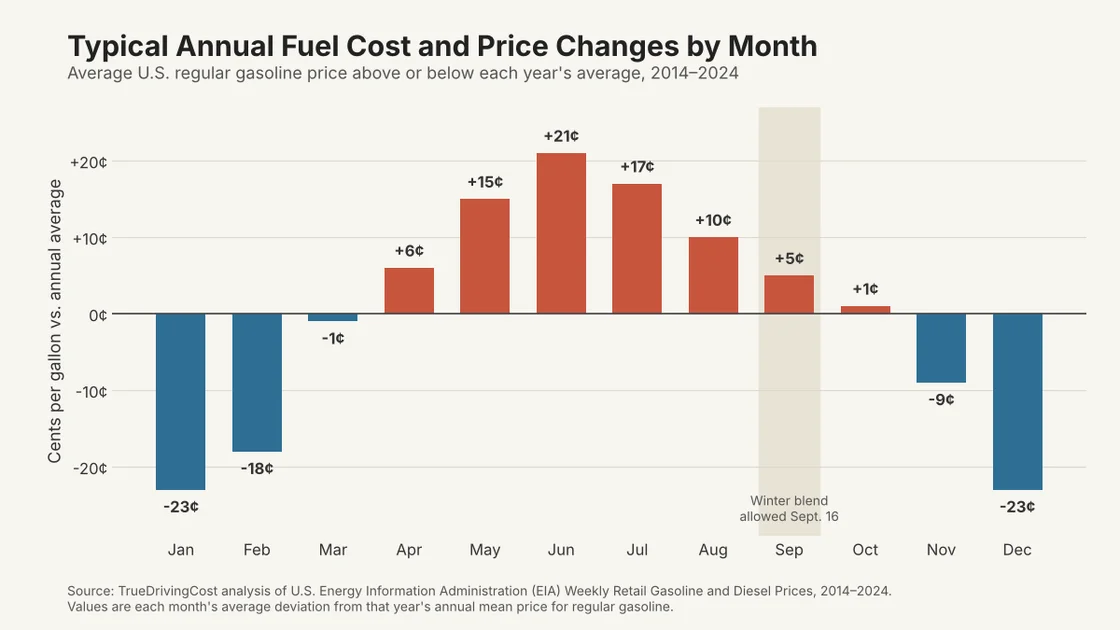
Several factors are driving the decline. Patrick De Haan, lead petroleum analyst at GasBuddy, explained that the seasonal switch to winter-blend gasoline—cheaper to produce—began as early as Sept. 16, contributing to a national peak on Sept. 24 followed by a near-daily slide. Reduced demand during colder months also plays a role, as fewer Americans hit the road.
Geopolitics has added complexity. The U.S. war with Iran earlier this year had ignited a spring price surge, but a recent calm in fighting has allowed more oil tankers to transit the Strait of Hormuz, boosting global supply. However, ongoing Ukrainian attacks on Russian refineries continue to pose risks. "Gasoline prices will tend to continue declining, but they probably will stabilize in the next week or two," De Haan said.
Context: Affordability Concerns Linger Despite Relief
While the recent price drop is welcome news, gas prices remain significantly higher than a year ago—a fact that is weighing on consumer sentiment and travel plans. AAA projects a slight 0.2% decrease in Thanksgiving travel this year, with 4.62 million Floridians expected to travel more than 50 miles, down from last year. AAA spokesman Mark Jenkins cited "stubborn inflation, sharply higher gas prices, and limited growth in real disposable income" as key reasons for the pullback.
In Florida, gas prices averaged $3.60 per gallon on Monday—down over recent months but still 68 cents higher than a year ago. Hotel and airfare costs are also up compared to last year, further straining budgets. Despite the slight decline in traveler numbers, Jenkins warned that roads and airports will still be "extremely busy" during the concentrated holiday period, with the Wednesday before Thanksgiving and the following weekend expected to be the busiest travel days.
Regional Refinery Issues Resolved
The price decline follows a period of volatility caused by refinery disruptions in the Midwest. De Haan noted that refinery issues in September and October had stymied the typical seasonal drop for Minnesota and Wisconsin drivers. "Now that those refining issues have cleared the system there's a lot of catching up to do," he said, explaining the precipitous fall in Minnesota prices. The national average has also been catching up, dropping 3 cents on Tuesday alone.
Perspective: Broader Economic Implications
The recent slide in gas prices offers a glimmer of relief for consumers, but it may not be enough to significantly boost holiday spending. With prices still elevated year-over-year and affordability concerns top of mind, many Americans are adjusting their travel plans. The situation underscores the delicate balance between global geopolitics, seasonal trends, and domestic refinery operations in shaping pump prices.
Looking ahead, analysts suggest that prices may stabilize in the coming weeks. The holiday season typically brings increased demand, but De Haan indicated that Thanksgiving and Christmas travel won't be enough to shift prices higher. However, the threat of renewed geopolitical escalations—such as potential U.S. actions in the Middle East—could quickly reverse the trend. "If the Trump administration decides to go back to escalations and new attacks, then oil prices could go right back up," De Haan said, though he noted that seasonality would likely keep any spike below summertime levels.
As the nation heads into the busy holiday travel period, drivers can expect some of the lowest prices since the summer, but not without lingering affordability challenges. For now, the steady decline is a welcome reprieve at the pump.
Comments