
New Heat Dome Threatens France as June Canicule Toll Emerges
Just one week after a historic June heat wave—or canicule—shattered temperature records across France, meteorologists are warning of a second extreme episode projected for early July. According to weather models analyzed by La Chaîne Météo, a powerful anticyclone is expected to form over the Bay of Biscay and Western Europe starting this weekend, creating a new heat dome that could push thermometers well above seasonal norms.
While the configuration of this incoming system differs from the June event—the center of the high-pressure zone is forecast to sit over the Atlantic rather than directly above France—the southern and southwestern regions of the country are likely to bear the brunt of the heat. Areas near the English Channel and the northeast may benefit from oceanic influence, offering some respite. However, the uncertainty remains high, and authorities are not ruling out a widespread event.
The timing is particularly concerning because France has not yet recovered from the previous heat wave. A sanitary bulletin published July 1 by French health authorities reveals alarming statistics from the June 20–28 peak:
- 85% increase in deaths recorded by SOS Médecins among people aged 75 and older (week of June 22–28).
- 715% surge in emergency room visits for hyperthermia.
- 229% rise in visits for dehydration.
- 37% increase in malaise cases (5,880 ER visits).
Preliminary estimates indicate at least 1,000 excess deaths during the June episode. Final figures are expected on July 3.
Government Scrutiny and Health System Strain
The June heat wave has also sparked political controversy. Mediapart reports that Monique Barbut, France’s Minister of Ecological Transition, faced sharp criticism for her absence during the height of the crisis. During a brief visit to Perpignan on June 20, she cancelled a planned TGV return and flew back instead, drawing accusations of tone-deafness from local officials and journalists. The minister’s visibility—or lack thereof—has become a talking point in national media, with questions raised about the government’s preparedness and communication during extreme weather events.
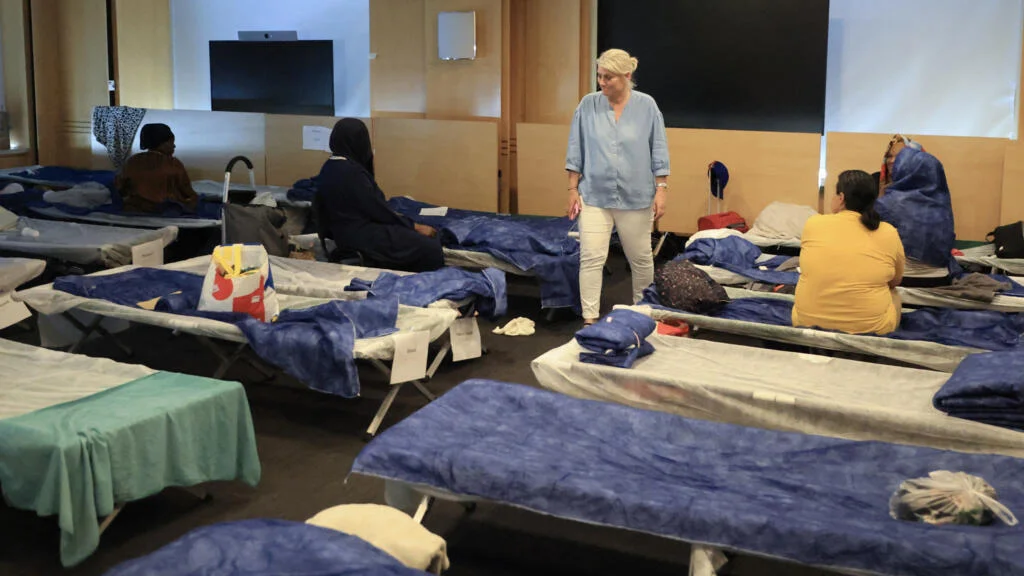
Meanwhile, the health system remains under severe pressure. The government activated the Orsan plan at its highest level (level 3) during the June canicule, a measure that mobilizes hospitals, emergency services, and nursing homes to cope with the surge in heat-related illnesses. That plan remains active, and officials have opted to maintain it given the slow decline in emergency visits and the possibility of another heat wave.
SOS Médecins reported a 480% increase in consultations for heatstroke across all ages (2,414 additional visits) and a 316% increase for dehydration. Emergency services saw a rise in pediatric visits: children under two accounted for 13% more ER admissions, and those aged 75 and over for 11% more—both above the averages of the previous three years.
Broader Implications: Climate Change and Recurring Extremes
The twin heat waves of June and July 2026 are not anomalies—they are part of a clear trend. Climate scientists have long warned that heat domes, driven by climate change, will become more frequent, more intense, and longer-lasting across Europe. France’s experience in June fits this pattern: the heat dome that settled directly over the country engulfed all regions, from the Mediterranean to the English Channel, something even seasoned meteorologists described as exceptional.
The recurrence of such an event within weeks raises serious questions about infrastructure resilience. Hospitals, already strained after COVID-19 and winter respiratory epidemics, now face back-to-back summer crises. Power grids, water supplies, and urban planning—especially in older cities with limited green space—are similarly tested.
“The health data from June is a warning,” said a spokesperson for Public Health France, as cited in the BFMTV report. “The real challenge is that we may not have enough time to recover before the next heat spike.”
A Changing Landscape for Policy and Preparedness
Barbut’s perceived absence may also signal a shift in public expectations. Voters and local officials increasingly demand visible, proactive leadership during climate disasters. The controversy around her travel choices mirrors broader debates about whether government ministers are adequately prioritizing ecological crises in their schedules and budgets.
As France looks ahead to the second half of July, the meteorological consensus is cautious but clear: another significant heat episode is highly likely, even if its exact intensity and geographic spread remain uncertain. For now, the country’s health networks remain on high alert, and the memory of June’s toll looms large.
In related developments, extreme weather continues to disrupt other sectors. The June heat wave contributed to wildfires in southern France, and firefighters are still battling a blaze that has consumed over 800 hectares near the Hérault region.
While the sports world turns its attention to events like the USA vs Bosnia-Herzegovina World Cup match and the Women's T20 World Cup final, the heat wave crisis reminds all that climate volatility is now a year-round reality for millions.
Comments