
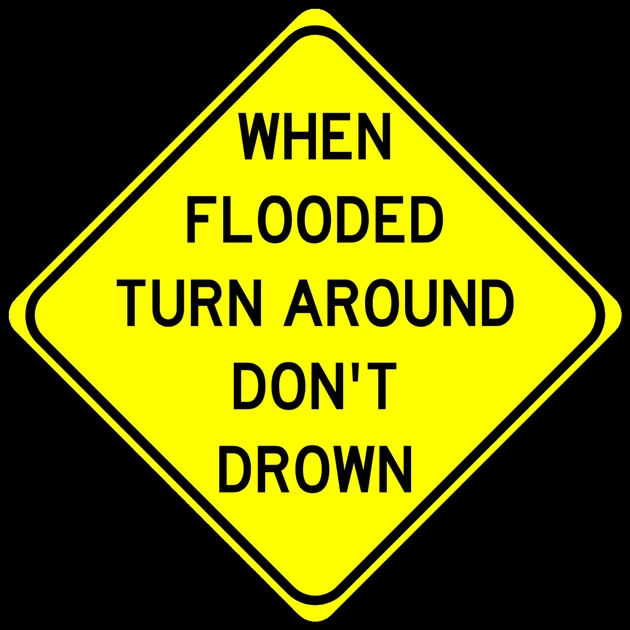
A flood watch is one of the most important weather advisories issued by meteorological agencies. Understanding what it means and how to respond can make a significant difference in personal safety and property protection. This guide breaks down the key aspects of a flood watch, how it compares to related alerts, and the practical steps everyone should know.
What Is a Flood Watch?
A flood watch is an official notification issued by national weather services — such as the National Weather Service (NWS) in the United States — indicating that conditions are favorable for flooding to occur in a specific area. It does not mean flooding is happening right now, but rather that the risk is elevated and residents should be prepared to act quickly.
The watch is typically issued hours or even days in advance, giving communities time to prepare. It covers a broad geographic area and is based on weather forecasts, rainfall projections, river levels, and soil saturation data.
The Science Behind the Alert
Meteorologists issue a flood watch when several environmental factors align. These include:
- Heavy rainfall forecasts: Extended or intense precipitation that could overwhelm drainage systems.
- Saturated ground: Soil that has already absorbed maximum moisture cannot absorb additional rainfall, increasing runoff.
- Snowmelt: Rapid warming can cause snow to melt quickly, sending large volumes of water into rivers and streams.
- River levels: Rivers already running high are more likely to overflow their banks with additional input.
Advanced hydrological models help forecasters estimate how these variables interact to determine the probability and timing of flooding.
Flood Watch vs. Flood Warning vs. Flood Advisory
Many people confuse a flood watch with a flood warning or flood advisory. Each alert level carries a different meaning and requires a different level of response.
Flood Advisory
A flood advisory is the least urgent of the three. It is issued when flooding is possible and may cause inconvenience, but is generally not considered life-threatening. Minor road flooding or ponding of water in low-lying areas are typical scenarios.
Flood Watch
A flood watch sits in the middle of the alert scale. Conditions are favorable for significant flooding, and the public should monitor local updates closely. This is the time to review emergency plans, prepare go-bags, and know the evacuation routes from your area.
Flood Warning
A flood warning is the most urgent level. It means flooding is either imminent or already occurring. Immediate action is required. Residents in affected areas may need to evacuate, and entering floodwaters — even shallow ones — is strongly discouraged.
The key distinction is time and certainty: a watch means be ready, a warning means act now.
How to Prepare During a Flood Watch
Receiving a flood watch alert is a signal to take preparatory steps without waiting for conditions to worsen. Preparation during this window can save lives and reduce property damage.
Assemble an Emergency Kit
A basic emergency kit should include:
- At least 72 hours of drinking water (one gallon per person per day)
- Non-perishable food items
- A flashlight with extra batteries
- A first aid kit
- Important documents in a waterproof container
- Medications and medical supplies
- A battery-powered or hand-crank radio for updates
Know Your Risk and Evacuation Routes
Understanding your local flood zones is essential. Many municipalities provide flood maps online through agencies like FEMA. Identify the nearest high ground and the safest routes to reach it. Make sure all household members, including children and elderly relatives, understand the plan.
Protect Your Property
During a flood watch, homeowners can take steps to minimize potential water damage:
- Move valuables and electronics to higher floors or elevated surfaces.
- Clear gutters and drains of debris to improve water flow.
- Consider placing sandbags around doorways if flooding is likely near your home.
- Disconnect electrical appliances in areas prone to flooding.
Staying Informed During a Flood Watch
Real-time information is critical when a flood watch is in effect. Reliable sources include:
- National Weather Service (weather.gov): Provides up-to-date watches, warnings, and forecasts.
- Local emergency management agencies: Often broadcast evacuation orders and shelter locations.
- Wireless Emergency Alerts (WEA): Automatically sent to mobile phones in affected areas.
- NOAA Weather Radio: A continuous broadcast of weather conditions and alerts.
Avoiding unnecessary travel during a flood watch is advisable, especially in areas known for flash flooding or near rivers and streams. Even if it is not yet raining heavily in your immediate location, upstream conditions can rapidly change water levels downstream.
Staying informed, having a clear plan, and acting early are the most effective strategies when a flood watch is issued. Preparedness before the storm is always more effective than reacting during one.
Comments