
England Announces Ban on High-Caffeine Energy Drinks for Under-16s
The British government confirmed on July 16, 2026, that it will ban the sale of high-caffeine energy drinks to individuals under 16 years old in England, with the prohibition set to take effect in April 2027. The landmark policy, which fulfills a key Labour manifesto pledge, will apply to shops, vending machines, and online sales, covering any drink containing more than 150 milligrams of caffeine per litre—excluding traditional tea and coffee.
Public Health Minister Sharon Hodgson announced the ban, stating, "High-caffeine energy drinks have no place in children's hands." She emphasized that the evidence is clear: these drinks can cause anxiety, disrupt sleep and concentration, and harm educational outcomes. The government estimates that approximately 100,000 children in England consume such drinks daily, with higher consumption rates in more deprived areas and households.
Retailers violating the ban face fines of up to £2,500, with local authorities responsible for enforcement. The policy is being enacted through secondary legislation under the Food Safety Act 1990 and still requires parliamentary approval, but the government expects it to come into force as planned.
The Scope of the Ban
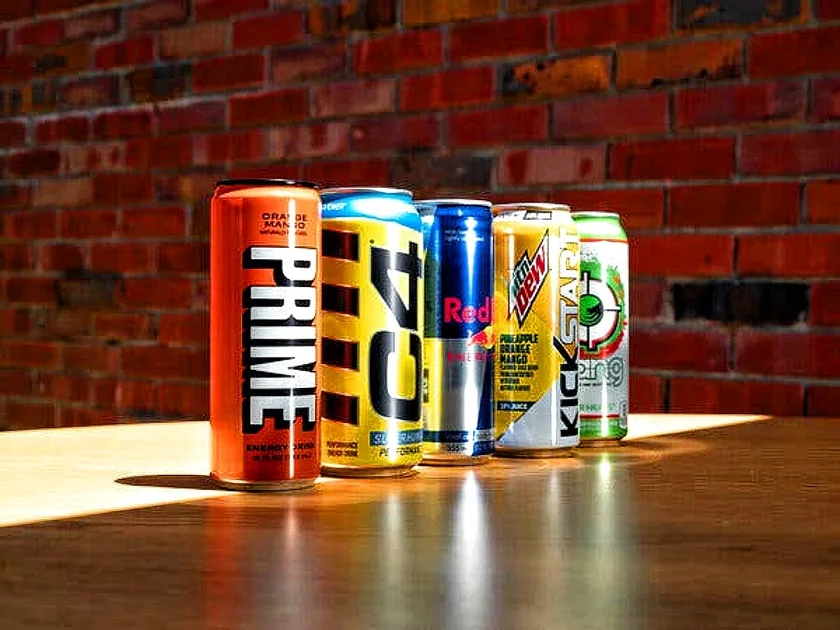
The ban specifically targets drinks with caffeine levels exceeding 150mg per litre—a threshold that includes popular brands like Red Bull, Monster, and Rockstar. A single can of Monster, for example, contains caffeine equivalent to two espressos or four cans of cola. The rule will apply uniformly across all retail channels, closing off common avenues children use to purchase these products.
A Decade-Long Campaign Comes to Fruition
The announcement marks the culmination of an eight-year campaign by celebrity chef Jamie Oliver and the Daily Mirror, which had pushed for restrictions on energy drink sales to minors. Oliver called the ban "a pretty special moment," telling the Mirror, "We came together to protect British kids' brains and bodies from being flooded with high-caffeine energy drinks."
The campaign gained traction amid mounting evidence linking energy drink consumption to physical and mental health risks in children. Teachers had reported students as young as six arriving at school after consuming energy drinks, leading to disruptive classroom behavior. Oliver noted, "We don't want our teachers having to switch between Lesson plan A and Lesson Plan B because half the class is bouncing off the walls on energy drinks."
The government's own public consultation drew nearly 1,100 responses from businesses, public health organizations, enforcement bodies, and members of the public, showing strong support for age restrictions.
Health Risks and Social Impact
Medical experts have long warned about the dangers of high-caffeine energy drinks for young people. Studies link their consumption to increased risk of heart disease, stroke, anxiety, sleep disruption, and reduced concentration. The Obesity Health Alliance's executive director, Katharine Jenner, praised the ban as "a vital step towards protecting children's health," noting that children in deprived communities are disproportionately affected.
The ban is part of a broader government initiative to create "the healthiest generation of children ever," according to Minister Hodgson. It follows other measures targeting youth health, including restrictions on junk food advertising and proposed social media bans for under-16s.
Enforcement and Compliance
Local authorities will lead enforcement efforts, conducting checks on retailers and responding to complaints. The practical test for businesses is straightforward: if a drink exceeds the caffeine limit and the buyer appears under 16, the sale is prohibited. Retailers will need to train staff and may require age verification at point of sale, similar to existing restrictions on alcohol and tobacco.
Industry Response and Implementation Timeline
Major energy drink manufacturers have not yet publicly commented on the ban, but industry groups have historically argued against age restrictions, often citing personal responsibility and the availability of lower-caffeine alternatives. The government, however, maintains that the public health benefits outweigh industry concerns.
With the ban set for April 2027, retailers have roughly nine months to prepare. The secondary legislation process will proceed through Parliament, where the ruling Labour majority is expected to ensure smooth passage. Once enacted, the ban will be one of the most stringent in Europe, joining countries like Lithuania and Latvia that have similar restrictions.
Broader Implications for Youth Health Policy
This energy drink ban signals a significant shift in UK public health policy, prioritizing child welfare over commercial interests. It reflects growing global concern about the impact of high-caffeine products on developing bodies and minds. The policy also aligns with Labour's broader agenda to regulate industries that target children, including gambling, vaping, and social media.
A Template for Other Nations?
England's move could influence other countries considering similar bans. The United States, for instance, has seen calls for federal restrictions on energy drink sales to minors, though no national policy exists. The World Health Organization has previously recommended limiting children's caffeine intake, and this ban provides a concrete model for enforcement.
In the UK, the success of this policy may pave the way for further restrictions on other products high in caffeine or sugar, such as certain pre-workout supplements or caffeine-infused snacks. Already, experts like Katharine Jenner are calling for the ban to be extended to cover more products and age groups.
Educational and Social Ripple Effects
Beyond health, the ban is expected to have positive spillover effects in schools. Teachers have long complained that energy drinks exacerbate behavioral issues and impair learning. By reducing accessibility, the government hopes to create a calmer, more focused classroom environment. As Jamie Oliver put it, the ban "isn't just about a drink can—it's all those beautiful ripples of kids now set-up to learn and thrive."
What This Changes for Families and Retailers
For parents, the ban provides a clear legal framework to support their efforts to limit children's energy drink consumption. Many have struggled to enforce boundaries amid aggressive marketing by brands and promotion by online influencers. The government estimates that the ban will particularly benefit families in deprived areas, where energy drink consumption is highest and health outcomes are poorest.
Retailers, however, face new compliance burdens. Small shops and corner stores will need to update their point-of-sale systems and train staff on age verification. Fines of up to £2,500 for non-compliance provide a strong incentive to adhere to the rules.
Online Sales: A New Frontier
Including online sales in the ban represents a modern enforcement challenge. E-commerce platforms will be required to implement age verification mechanisms, similar to those used for alcohol and tobacco. This could involve requiring buyers to upload identification or using third-party age verification services. The government has indicated that platforms failing to comply will face the same fines as physical retailers.
Looking Ahead: The Future of Youth Health Regulation
As England prepares for the April 2027 implementation, the energy drink ban stands as a testament to the power of public advocacy and evidence-based policy. It represents a rare moment of cross-sector consensus, with support from parents, health professionals, educators, and the public.
The success of this policy could herald a new era of youth health regulation in the UK, expanding to other areas. Already, the government has signaled its intention to tackle social media addiction, proposing bans for under-16s and overnight curfews for older teenagers. The energy drink ban may be just the first step in a broader campaign to shield children from products that harm their physical and mental well-being.
A Cultural Shift in Progress
Perhaps most significantly, the ban signals a cultural shift in how society views energy drinks. No longer merely a trendy beverage promoted by influencers, they are now officially recognized as a public health risk for children. This change in perception may influence consumption patterns even among older teenagers and adults, normalizing healthier choices.
As the April 2027 deadline approaches, all eyes will be on the UK—not just to see if the ban is effectively enforced, but to watch whether this policy inspires similar actions globally. For now, England is taking a firm stand: high-caffeine energy drinks have no place in children's hands.
Comments