
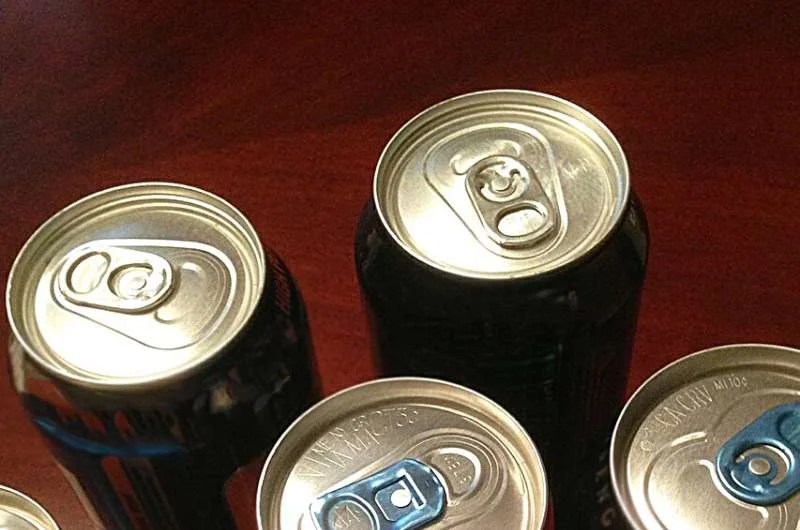
Energy Drinks Tied to Serious Heart Risks in Young Adults, Study Presented at AHA Meeting Finds
Caffeinated energy drinks and stimulant-packed supplements may put young adults at greater risk for serious heart problems, including cardiac arrest and heart attack, according to new preliminary research presented Monday at the American Heart Association's Scientific Sessions 2026 in Chicago. The study, which analyzed more than 28,000 adverse-event reports submitted to the U.S. Food and Drug Administration over an eight-year period from 2017 to 2025, found that energy drinks and stimulant supplements were linked to serious cardiovascular conditions far more often than other products, particularly among adults between the ages of 18 and 34.
The findings, first reported by NBC News, come as sales of caffeinated energy drinks have more than doubled over the past decade, reaching over $20 billion in 2024, according to the American Heart Association. The research is considered preliminary because it is an abstract presented at a scientific meeting and has not yet been peer-reviewed or published as a full manuscript in a scientific journal.
Key Findings: Disproportionate Reports of Cardiac Events
The study reviewedFDA adverse-event reports and found that products containing caffeine or other stimulants were associated with higher reporting of cardiac arrest and heart attack, especially for adults ages 18 to 34—a group not usually considered at high risk for cardiovascular events. The American Heart Association noted that the research is independent and preliminary, and that more studies are needed to understand the relationship between caffeinated products and cardiovascular conditions, as well as to establish systematic safety monitoring of these products.
The AHA also pointed to a 2026 Scientific Statement on caffeine and cardiovascular disease, which states that consuming up to 400 mg of caffeine per day—the equivalent of up to five 8-ounce cups of regular black caffeinated coffee—is generally safe for most adults. However, compared with brewed coffee, some energy drinks contain as much as three times more caffeine per fluid ounce, and some pre-workout supplements contain more than 12 times as much caffeine per fluid ounce. Since the FDA regulates energy drinks and stimulant supplements as foods or dietary supplements rather than as medications, these products do not undergo the same pre-market safety review as pharmaceuticals.
Context: A Growing Public Health Concern
The new research adds to a growing body of evidence suggesting that highly caffeinated products may pose cardiovascular risks, particularly for young people. Healthcare professionals have previously described cases of arrhythmias—irregular heart rhythms—or sudden cardiac death in people who had consumed these products, many of them young adults with no known heart disease risks. The study's focus on adults aged 18 to 34 is particularly notable because this demographic is typically at low risk for cardiac events, making the disproportionate number of reports involving energy drinks and stimulant supplements especially concerning to researchers.
The timing of the study coincides with broader concerns about stimulant consumption among young adults. The American Heart Association's 2026 Scientific Statement on caffeine and cardiovascular disease underscores that while moderate caffeine intake is generally safe, the concentrated doses found in some energy drinks and pre-workout supplements can far exceed what is considered safe in a single serving. With energy drink sales surpassing $20 billion in 2024, the market shows no signs of slowing, and the products are heavily marketed to young adults and adolescents.
Regulatory Gaps Under Scrutiny
Unlike medications, energy drinks and stimulant supplements are regulated by the FDA as foods or dietary supplements, meaning they do not require pre-market approval for safety and efficacy. This regulatory distinction means that the burden of monitoring adverse effects falls largely on post-market surveillance systems, such as the FDA's adverse-event reporting system that formed the basis of the new study. The researchers behind the study are calling for more systematic safety monitoring of these products, arguing that the current framework may not adequately capture the risks associated with high-caffeine stimulants.
Perspective: What the Findings Mean for Consumers and Regulators
The new research is unlikely to prompt immediate regulatory action, but it adds pressure on policymakers and health officials to reconsider how energy drinks and stimulant supplements are regulated. The study's authors emphasize that more research is needed to establish a causal relationship between these products and cardiovascular events, but the preliminary findings are consistent with existing evidence that high doses of caffeine can be harmful to the heart. For consumers, particularly young adults who regularly consume energy drinks or pre-workout supplements, the findings serve as a reminder that these products are not without risks.
The American Heart Association's guidance remains that up to 400 mg of caffeine per day is generally safe for most adults, but consumers should be aware that some energy drinks and supplements can contain significantly more caffeine per fluid ounce than coffee. The AHA also recommends that individuals with known heart conditions or those who are pregnant or breastfeeding consult their healthcare providers about caffeine intake. As the market for energy drinks and stimulant supplements continues to grow, the study's findings may fuel calls for clearer labeling, more stringent safety monitoring, and further research into the long-term cardiovascular effects of these products.
Broader Implications for Public Health
The study's focus on young adults highlights a broader public health concern: the normalization of high-caffeine products among a demographic that may not fully appreciate the potential risks. While occasional consumption of energy drinks is unlikely to cause harm for most people, the cumulative effects of regular use, combined with other factors such as poor sleep, high stress, and underlying health conditions, could increase the risk of serious cardiac events. The researchers' call for systematic safety monitoring reflects a growing recognition that the current regulatory framework may be inadequate for a product category that has exploded in popularity over the past decade.
As the American Heart Association's Scientific Sessions continue through November 9, the study is expected to draw attention from clinicians, researchers, and public health officials. While the findings are preliminary, they underscore the need for continued vigilance and research into the cardiovascular effects of energy drinks and stimulant supplements, particularly among young adults who may be unaware of the potential risks associated with these widely consumed products.
Comments