
Stranded in Tunisia: EasyJet Passengers Face Multi-Day Ordeal After Belfast Flight Cancellation
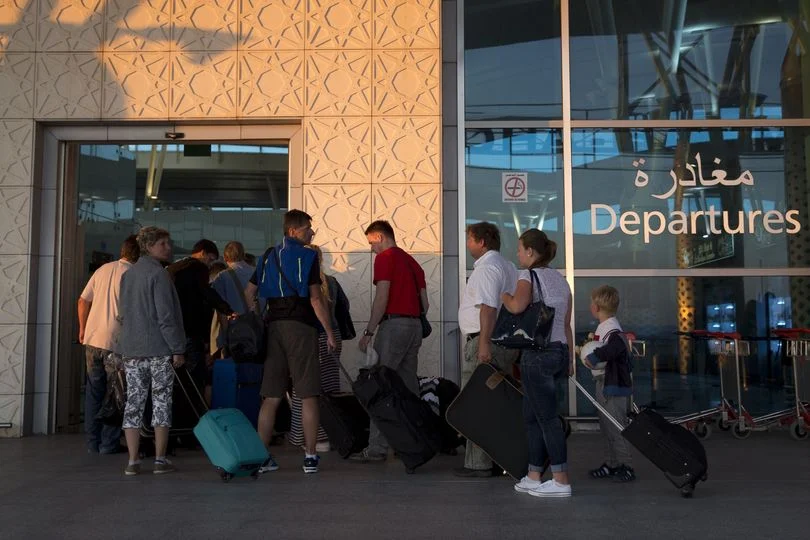
More than 150 passengers, including families with young children, pregnant women, and elderly travellers, have been left stranded in Tunisia for nearly three days after EasyJet cancelled its flight from Enfidha-Hamamet Airport to Belfast International Airport. The airline, which initially said no alternative flights were available for ten days, has now confirmed an additional direct flight will depart on Tuesday night, according to BBC News NI and The Mirror.
The cancellation of flight EZY3072, which was due to depart on Saturday night, was attributed to a technical issue. Passengers were reportedly already waiting at the gate when the cancellation was announced. Among those affected is Georgina Doherty (reported elsewhere as Gina Dochartaigh), a mother of six who is trying to return to Northern Ireland following the death of her mother-in-law. Stuart McCartney, from Dromore, County Down, told the BBC he has spent £4,000 to book alternative flights home for his family of five via Brussels, a cost he says should not be his responsibility.
EasyJet has said it is "very sorry" for the disruption and has arranged accommodation and meals. However, passengers have criticised the airline's communication and support, saying they were left to fend for themselves after just two nights of hotel accommodation. The airline has stated that customers who booked alternative carriers will be reimbursed, and those who made their own arrangements will also be compensated.
Technical Failure and a 10-Day Wait
The trouble began on Saturday night when passengers were already at the gate at Enfidha Airport. After a four-hour delay, EasyJet announced the flight was cancelled due to technical issues. An engineer was reportedly flown in from the UK, but the aircraft remained out of service. The initial advice given to stranded passengers was that no other flights would be available for ten days, leaving many facing the prospect of an extended, unwanted stay in the North African resort town.
Georgia Doherty described the situation in a social media post, saying the airline had "completely relinquished its duty of care" and detailing a "complete communication blackout." Her account, shared with The Mirror, highlighted the particular vulnerability of some passengers: "There are two pregnant women travelling with disabled children, elderly passengers who require special assistance and passengers running out of medication." The McCartney family also voiced concerns about their elderly mother, Katherine, who relies on heart medication and was running low on supplies.
For many, the cancellation has had serious real-world consequences beyond a ruined holiday. Teachers due to return for the start of term and business owners with commitments in Northern Ireland were among those caught up in the chaos, according to Ms Doherty. The financial strain has also been significant; passengers like Mr McCartney are facing significant out-of-pocket expenses for last-minute flights, accommodation, and food, with the promise of reimbursement a cold comfort for those who cannot afford the upfront costs.
Stranded Travellers vs. Airline Duty of Care
This incident raises critical questions about airline obligations during extended delays. Under UK and EU regulations, airlines are generally required to provide care—including accommodation, meals, and communication—for the duration of a delay. While EasyJet says it has arranged and paid for two nights of accommodation, passengers report that they were subsequently told to find their own hotels, with the promise of later reimbursement. This has placed an undue burden on families who are already stressed and far from home.
“My holiday was a fraction of what I’m paying to get home right now,” Mr McCartney told the BBC. “But we shouldn’t have to pay. I'm willing to pay £4,000 to get us home, if needs be, and then battle for reimbursement if I have to after that.” His sentiment reflects the frustration of many who feel they are being forced to act as their own travel agents and financiers in a crisis not of their making.
The situation is particularly acute for those with medical needs or young children. The lack of a dedicated engagement team on the ground, as alleged by Ms Doherty, has exacerbated the sense of abandonment. Passengers have been left to source their own flights, navigate foreign airports, and manage the logistics of a multi-day delay with little-to-no support from the airline beyond the initial accommodation.
EasyJet has defended its response, stating that alternative flights, including on other carriers, were "very limited" due to the high volume of summer travellers. A spokesperson for the airline said: "We are very sorry for the disruption to our flight from Enfidha to Belfast on Saturday. We know how difficult this has been for our customers. We have provided accommodation and meals and will reimburse customers for any reasonable expenses." The announcement of the extra flight on Tuesday night is a late but welcome reprieve for the stranded families.
The Larger Pattern: EasyJet's Network Troubles
The Enfidha incident comes at a time when EasyJet is making significant strategic adjustments to its route network. Just days before the stranding, the airline confirmed it will withdraw completely from Leeds Bradford Airport in January 2027, ending 16 years of operations there. The decision, announced as part of a network review, will see routes to popular destinations like Barcelona, Palma, and Paris, as well as Belfast, axed from the West Yorkshire airport, as reported by The Portugal News.
While the Leeds Bradford move is a separate commercial decision, it paints a picture of an airline in flux, concentrating its resources on routes with the strongest demand. The operational failure in Tunisia highlights the fragility of the travel system when a single flight is cancelled, and the knock-on effects for passengers. It also underscores the importance of robust contingency plans, especially during peak season when flights are full and alternative options are scarce.
For the passengers in Tunisia, the immediate crisis will end with the additional flight on Tuesday. But the ordeal may not be over, as many face a lengthy battle with the airline to recoup the thousands of pounds they have spent on last-minute travel arrangements. The incident serves as a stark reminder for all travellers of the potential for disruption and the importance of travel insurance, even when flying with a major low-cost carrier. It also puts a spotlight on the adequacy of airline contingency plans, not just for a few hours, but for multi-day disruptions.
A Stressful End to a Holiday, and a Fight for Compensation Ahead
The immediate priority for the more than 100 families in Tunisia is to get home. The extra flight on Tuesday night will provide that route. However, the aftermath is likely to be long and frustrating. Passengers are expected to seek compensation under UK law, which can entitle them to up to £520 per person for cancellations within 14 days of departure, depending on the circumstances. For a family of five, like the McCartneys, that could amount to a significant sum.
Beyond the financial compensation, this incident raises questions about transparency and communication during operational crises. The passengers' complaints of a "communication blackout" and being left to fend for themselves are not new in the airline industry, but they are becoming increasingly scrutinised. Consumer groups argue that airlines must do more to proactively support passengers, particularly vulnerable ones, when things go wrong, rather than forcing them to fight for their rights.
This event also serves as a case study in duty of care. While airlines routinely deal with delays, the length of this disruption—nearly three days—exposed the limits of EasyJet's local support infrastructure in a destination like Enfidha. The reliance on passengers to find their own hotels and flights points to a gap between the airline's legal obligations and its practical response. For the families involved, the memory of this summer holiday will be tainted not by the sights of Tunisia, but by the stress of the unexpected aftermath.
As the travel industry continues to recover and adapt, events like these are a potent reminder that for all the advances in booking technology and customer service, the core experience of flying can still be deeply unpredictable. The passengers from Belfast will eventually get home, but the incident is likely to have a lasting impact on their view of the airline and on the industry's approach to managing large-scale disruptions.
EasyJet's Reputation and the Duty to Communicate
EasyJet's handling of this incident has drawn sharp criticism and could have reputational consequences. The airline, which prides itself on low fares and extensive routes, has been found wanting on customer care in a moment of crisis. The social media posts from affected passengers, detailing the plight of pregnant women, disabled children, and those running out of medication, have amplified the negative coverage and put the airline's practices under a harsh spotlight.
The announcement of the additional rescue flight on Tuesday is a step in the right direction, but it was only made after days of pressure from passengers and the media. For many, the damage is done. The stress, the financial outlay, and the anxiety of being stranded with children are not easily forgotten. The promise of reimbursement, while welcome, does little to alleviate the immediate trauma of the experience.
This incident highlights a critical trend in the aviation sector: the need for transparent, compassionate, and effective crisis communication. In the age of social media, every claim of abandonment is broadcast to a global audience. Airlines that fail to proactively manage these situations risk significant damage to their brand. EasyJet now faces the challenge of rebuilding trust with the 150 passengers who were left behind, and with the wider public who witnessed their ordeal.
The situation also echoes broader questions about the resilience of the aviation industry. A single technical fault can cripple a route for days, particularly when an aircraft is out of position. While airlines have spare capacity at major hubs, secondary airports like Enfidha are often left with few options. This is a logistical reality, but passengers are increasingly demanding that airlines plan for these contingencies and have flexible solutions in place, rather than simply telling customers to wait.
As the stranded passengers prepare to board their delayed flight home, the fallout from this event will continue. It serves as a powerful reminder of the rights of air passengers, the responsibilities of carriers, and the simple human cost when those responsibilities are not met. For the families from Northern Ireland, the simple relief of getting home will be mixed with the daunting task of seeking compensation and rebuilding their confidence in air travel. The onus is now on EasyJet to make good on its promises and demonstrate that it has learned from a very public failure in its duty of care
Comments