
Learners Take Control as DVSA Cracks Down on Test Touts
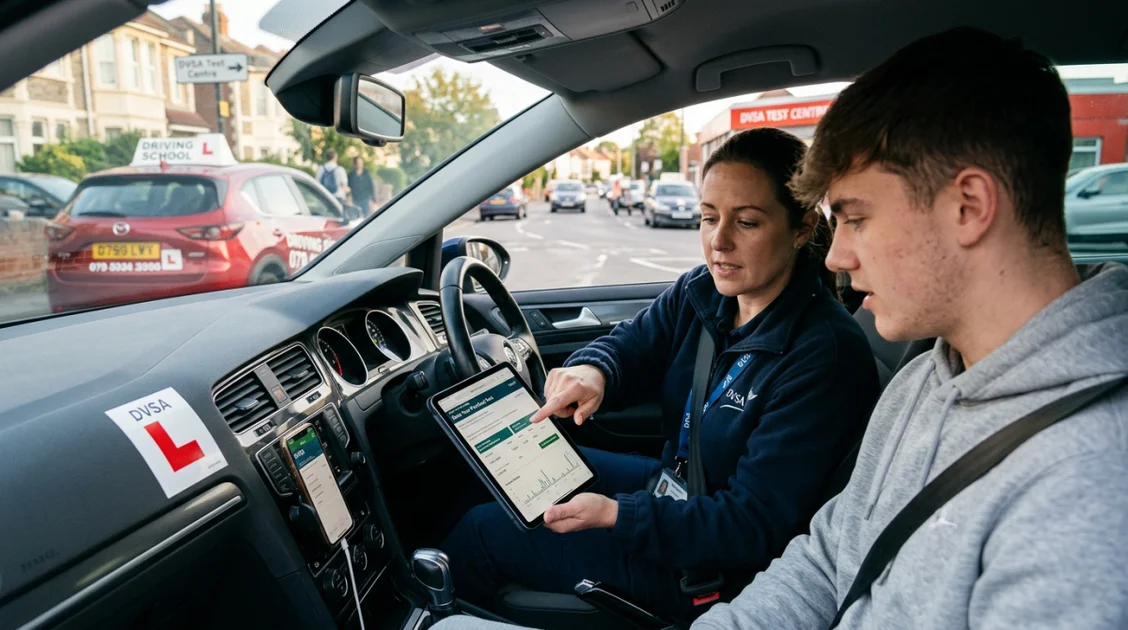
From Tuesday, May 12, the Driver and Vehicle Standards Agency (DVSA) has introduced sweeping changes to how driving tests are booked in the UK, effectively banning driving instructors and third parties from managing test appointments on behalf of learners. Under the new rules, only the learner driver themselves can book, change, or cancel a practical driving test.
The move is part of a wider government crackdown on the black market for driving test slots, which has flourished amid record waiting times. According to DVSA figures shared with the BBC, the national average wait for a practical driving test in April 2026 stood at 22.3 weeks. In Scotland, that figure was 22.9 weeks; in England, 22.7 weeks; and in Wales, 17.3 weeks.
The rule change aims to stop automated bots from bulk-booking appointments and reselling them at inflated prices. A National Audit Office (NAO) report published in December 2025 revealed some learners were paying up to £500 for a single slot—compared to the standard £62 booking fee.
Two Changes Allowed: New Restrictions Take Effect
The new restrictions are being rolled out in stages. Since March 31, learner drivers have been limited to just two changes to their test booking—down from the previous allowance of six. This includes swapping the date or time, changing the test centre, or transferring the booking to another learner. A change involving multiple elements, such as altering both the date and centre, counts as one change.
Updating a learner's address or contact details, adding or removing a driving instructor reference number, and any changes made by the DVSA itself (such as those due to bad weather) do not count toward the two-change limit. However, if the DVSA resets a booking due to weather, any extra changes must be made by phone.
From June 9, a further restriction will limit test swaps to the three nearest test centres to the original booking. This is designed to prevent learners from moving their test to a far-flung location just to secure an earlier slot—a practice that forced many instructors to travel long distances at short notice.
The Black Market Behind the Delays
For months, a parallel economy for driving test slots has thrived. Resellers use automated programmes to hoover up thousands of appointments the moment they become available on the DVSA booking portal, then sell them on social media and classified sites for up to 10 times the official price.
Robert Kamugisha, a 21-year-old criminology student from Croydon, told the BBC he spent £726 on three test slots through resellers before passing in December 2025. “I spent most of my savings. I felt like I was being scammed,” he said.
His experience is not unusual. The NAO report found that learners were paying up to £500 for a black market slot. In some cases, driving instructors themselves were complicit, steering pupils toward resellers. Robert said his own instructor encouraged him to use a reseller, calling it “legitimate.”
The new rule makes it illegal for anyone other than the learner to book, change, swap, or cancel a test. This means driving instructors can no longer take control of bookings for their pupils, even with their consent. Any test already booked by an instructor before the rule change will remain valid.
A ‘Grey Market’ Exposed
Chris Tassano, a driving instructor from Love 2 Pass in Twyford, Berkshire, told the BBC that some individuals had been buying tests in bulk, saving the details, and then “selling them on, not illegally, but with an inflated admin charge to people desperate for driving tests.” He described waiting six months as “an extortionate amount of time and money.” The new rules effectively criminalise this practice. The DVSA says it will use fraud detection tools to identify suspicious booking patterns and block accounts linked to bulk buying.
Will the Changes Fix the Problem?
While the new rules are widely welcomed, many in the industry warn they are not a silver bullet. Emma Bush, managing director of AA Driving School, said the changes “wouldn’t solve all the issues” facing learner drivers. “Learner drivers continue to face unacceptable delays in accessing driving tests,” she said. “The data clearly shows more needs to be done to really get a handle on the situation and start to push waiting times back. To really improve waiting times over a prolonged period, there needs to be unrelenting focus from the DVSA on retaining and recruiting driving test examiners.”
The DVSA has pointed to progress, noting that more than 158,000 additional tests were delivered between June 2025 and March 2026. Yet the average wait time remains above 22 weeks, suggesting that supply is still not keeping pace with demand.
Learners Adapt: Early Mornings and Cross-Country Trips
For learner drivers like Alex, 17, the struggle to secure a test has been a weekly ordeal. “You have to get up at 06:00 on a Monday every week and try and log on. It’s so hard to get a test,” he told the BBC. He eventually found a slot in Wales, hours from his home near Reading, and later switched it to St Albans before finally securing one locally.
Tassano said he was “quietly optimistic” that improved staffing at Reading Driving Test Centre, combined with the new rules, could shorten local waiting lists within two to three months. However, Alex expressed concern that the June restriction limiting swaps to three nearby centres would make it even harder to find a local test.
For broader context on how these changes fit into the ongoing overhaul of the driving test system, see Driving Test Overhaul: New Rules Ban Instructors From Booking as DVSA Targets Touts.
The Bigger Picture: A System Under Pressure
The driving test crisis is part of a larger backlog across UK public services, from passport applications to NHS appointments. The pandemic disrupted driving tests for months, and the subsequent surge in demand has been slow to unwind. The NAO report noted that the number of driving test examiners fell by 11% between 2020 and 2025, exacerbating the bottleneck.
The new booking rules are the most direct intervention yet, but they address only the symptom—the black market—not the root cause of examiner shortages. The DVSA has committed to recruiting more examiners, but the process is slow, and new hires take months to train.
What This Changes
For learners, the new rules mean greater personal responsibility. They can no longer rely on an instructor to handle bookings, and they have fewer opportunities to change a test once it is booked. The DVSA has stressed that learners should only book when they are genuinely ready to take the test.
For instructors, the changes free them from the administrative burden of managing test slots, but also remove a service many offered to pupils. Some instructors had used bulk-booking software to secure slots for their students, a practice now outlawed.
The third phase, coming on June 9, will further restrict flexibility, potentially forcing learners to travel to one of three designated centres near their original booking. This could reduce the practice of “torism booking”—securing a test in a far-off location just to get an early date—but it may also make local tests even harder to find in high-demand areas.
As the system evolves, the DVSA has promised to monitor the impact and adjust as needed. For now, the message is clear: the era of the driving test tout is over.
Comments