
Athletes Reported Missing After Glasgow Commonwealth Games
Police Scotland has launched an inquiry into the whereabouts of several athletes who failed to return home with their national teams after the Commonwealth Games concluded in Glasgow on Sunday. Among those unaccounted for are four members of the Ugandan boxing squad, who reportedly did not board their scheduled flight back to Kampala on Tuesday. Local media, citing one of the missing boxers, claim the athletes intend to seek asylum in the United Kingdom, citing better training facilities and career opportunities.
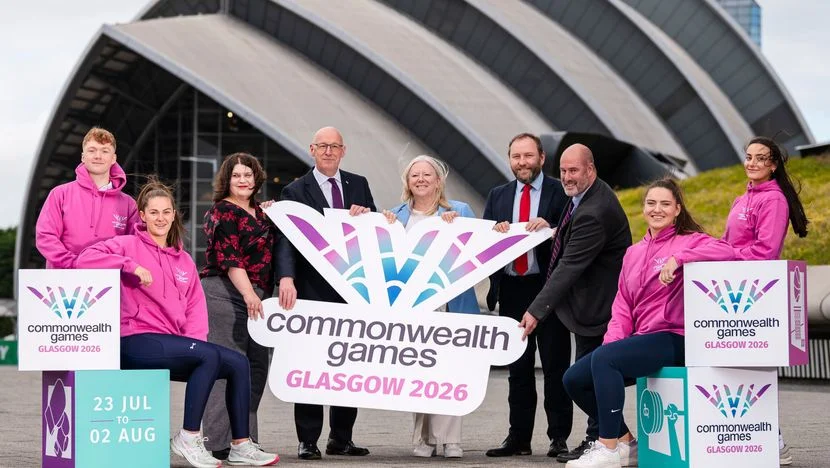
The Glasgow 2026 organising committee confirmed that 3,000 athletes from 74 nations and territories took part in the Games, which ended on August 2. A spokesperson for Police Scotland said: "Police Scotland has received reports of several athletes who are unaccounted for. Inquiries are ongoing to assess the circumstances, and early engagement is taking place with the Home Office." The Home Office declined to comment but a source indicated that action would be taken if immigration laws are breached.
Four Ugandan Boxers Named in Disappearance
The Ugandan sports website NBS Sport identified the missing boxers as Nuhu Batte, the team captain, Ibrahim Khemis, Angel Katushabe, and Emily Nakalema. Batte competed in the men's 75kg category, while Katushabe fought in the women's 51kg event. The four were expected to leave Scotland on Tuesday, but failed to join their teammates. A member of the group, speaking anonymously, told NBS Sport that the athletes planned to seek asylum and continue their boxing careers in a country they believe offers superior support and opportunities.
Team Uganda has declined to comment, and the rest of the squad has since departed for home. The Glasgow 2026 length-of-stay policy stipulated that athletes' accommodation ended two nights after their sport concluded, meaning they were required to leave the Games village by the prescribed date.
Recurring Pattern of Missing Athletes at Major Games
The disappearance of athletes after international sporting events is not new. The 2014 Commonwealth Games, also held in Glasgow, saw two Ugandan rugby players, Benon Kizza and Philip Pariyo, vanish after the tournament. They were later discovered playing rugby for a small club in Cardiff. Pariyo was subsequently jailed for four and a half years after being convicted of rape in Wales. Similarly, at the London 2012 Olympics, seven competitors from Cameroon went missing, and during the Birmingham 2022 Commonwealth Games, Sri Lankan athletes were forced to surrender their passports after some team members absconded.
These incidents highlight a recurring challenge for host nations, balancing the celebration of athletic achievement with the need to enforce immigration rules. The UK has long been a destination for asylum seekers, and sporting events provide a high-profile platform for such decisions.
Ghana's Paralympic Committee Denies Missing Athlete Claims
In contrast, the National Paralympic Committee (NPC) of Ghana has dismissed reports that some of its athletes are missing. In a statement issued on August 3, the NPC described the claims as "inaccurate and unverified." The committee clarified that Team Ghana athletes were returning home in batches, and that some remained in the UK legally, as their immigration permissions expire on August 16, 2026. The NPC urged the public not to assume wrongdoing and cautioned that speculation could harm the reputation of Ghanaian athletes.
Ghana finished the Games with two medals: Paralympian Zinabu Issah won silver in the women's F57 shot put, and boxer Amadu Mohammed claimed bronze in the men's 55kg division. The team competed with 40 athletes across six sports, including five para athletes.
The Commonwealth Games' Future and Its Legacy
The Glasgow 2026 Games were hailed by organisers as a success, with 434,000 tickets sold and record television figures in Australia and New Zealand. Yet, the absence of high-profile athletes in some disciplines and the lingering question of the event's global relevance persist. The next edition is scheduled for Ahmedabad, India, in 2030, but the Indian Olympic Association's chief executive, Raghu Iyer, admitted that no guarantees can be given about future participation. This uncertainty, coupled with the recurring issue of athletes overstaying their visas, casts a shadow over the Games' long-term viability.
For the host city, the immediate aftermath involves close cooperation between police, Border Force, and UK Visas & Immigration to address any breaches. The Glasgow 2026 spokesperson, Sophie Ashcroft, emphasised the collaborative effort to ensure a "safe and secure conclusion to the Games."
Broader Implications for Immigration and Sport
The current situation underscores the delicate intersection of international sport and immigration policy. While the primary focus is on the welfare of the athletes, the legal implications are significant. Athletes who seek asylum must navigate a complex legal process, and their decisions often spark debate about the conditions in their home countries. The Ugandan boxers' appeal for understanding—asking not to be judged—reflects a personal choice rooted in their professional and personal aspirations.
For the Commonwealth Games, these incidents are a reminder that the event's legacy extends beyond medals and records. The movement of people, even in the celebratory context of sport, raises questions about opportunity, safety, and the responsibilities of host nations. As investigations continue, the stories of these athletes will likely emerge, providing insight into the motivations behind such life-altering decisions.
Ongoing Police Inquiry and Next Steps
Police Scotland's inquiry is in its early stages, with officers assessing the circumstances and engaging with the Home Office. The whereabouts of the missing athletes remain unknown, and no arrests have been made. The Games village has officially closed, and the focus now shifts to the broader community as authorities work to locate the individuals.
The situation is fluid, and further updates are expected as the investigation progresses. For now, the athletes remain unaccounted for, and their futures uncertain. The Commonwealth Games, which celebrated its athletes for 11 days, now faces the quiet aftermath of a few who chose a different path.
A Changing Landscape for Athletes and Hosts
The trend of athletes going missing after major events is not unique to the Commonwealth Games, but it has become a notable aspect of their aftermath. Each case brings its own complexities, from legal proceedings to diplomatic tensions. Host cities must balance the logistical demands of a multi-sport event with the reality that some participants may use the occasion to seek a new life.
As the world digests the results of Glasgow 2026, the focus will inevitably shift to the individuals who did not return home. Their decisions, whether rooted in political persecution, economic hardship, or personal ambition, highlight the broader global disparities that sport cannot escape. The Commonwealth Games, which aims to unite nations through competition, also expose the fractures that drive people to seek refuge elsewhere.
The police investigation will continue, and the outcome may set a precedent for how future events handle such situations. For now, the four Ugandan boxers and others remain missing, their stories unfolding in the days and weeks ahead.
Comments