
The Emerging Crisis: Young-Onset Colon Cancer on the Rise
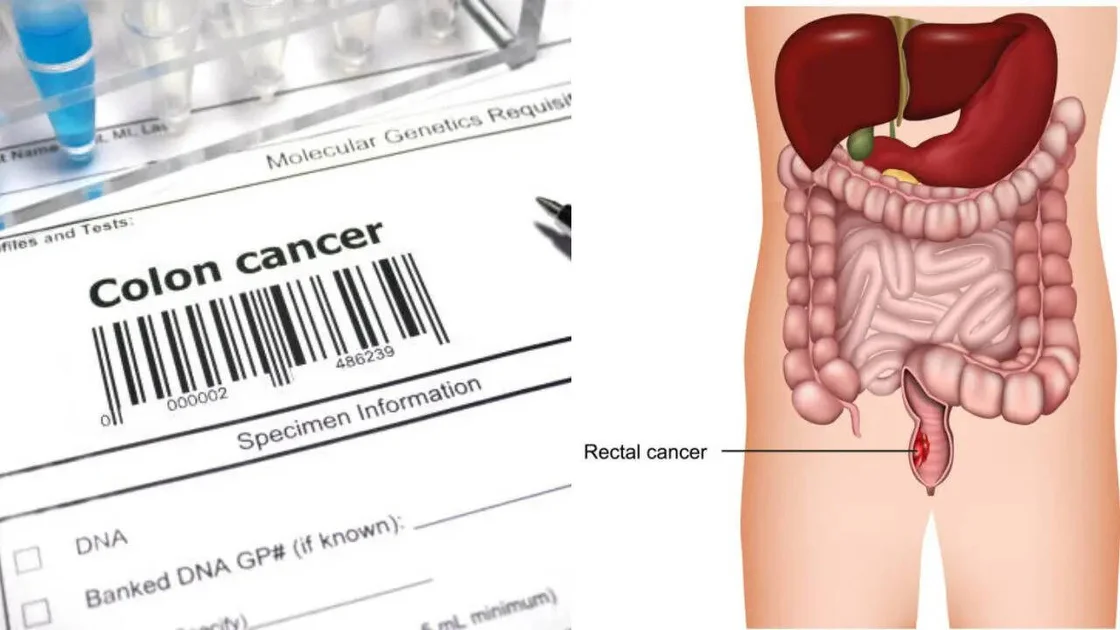
Colon cancer has become the leading cause of cancer death in people under 50, a stark milestone that underscores a troubling trend. For the first time, young adults are facing a cancer that is not only increasing in incidence but also becoming more deadly in this age group. Research presented at the American Society of Clinical Oncology (ASCO) conference in Chicago this week has illuminated a critical insight: early-onset colorectal cancer appears to be a distinct disease, driven by modern environmental and dietary factors rather than the aging process alone.
Scientists and doctors are racing to understand this phenomenon, which has been worsening since the 1990s. Dr. Deepak Vadehra, chief of gastrointestinal oncology at ChristianaCare Health System, summed up the urgency: “Something is just not the same with these early-onset colon cancer patients. The why — that’s what we want.”
The Dietary Link: Ultra-Processed Foods and Inflammation
A string of early-stage studies presented at ASCO is pointing to a surprising culprit: the modern diet rich in ultra-processed foods. Researchers like Dr. Ning Jin at The Ohio State University have analyzed tumor samples from young-onset colorectal cancer patients and found a distinct molecular signature linked to inflammation triggered by specific dietary components.
The Role of Oils and Sugars
Ultra-processed foods are often loaded with refined vegetable oils and sugars, both of which are now being directly tied to the development of colon cancer in young people. According to data presented at the conference, these substances may promote a chronic inflammatory state in the gut, which in turn accelerates the formation of cancerous polyps. Unlike the slow-growing polyps seen in older adults, these early-onset tumors appear to be more aggressive and driven by the body’s response to a high-inflammation diet.
“It’s not the same old colon cancer anymore,” noted Business Insider in its coverage of the ASCO findings. The shift suggests that the gut microbiome — the collection of bacteria living in the digestive tract — is being profoundly altered by the Western diet, leading to a loss of microbial diversity that normally protects against cancer.
A Lack of Protective Foods
The research also highlights a corresponding deficit in protective foods, such as nuts, fish, and fiber, which are essential for maintaining gut health. The combination of too many unhealthy fats and too few anti-inflammatory compounds creates a perfect storm for cancer formation. This dietary imbalance is especially pronounced among millennials and Generation Z, who consume more ultra-processed foods than any previous generation.
A Breakthrough in Treatment: Immunotherapy Without Surgery
While the news about rising incidence is concerning, there is also a major breakthrough in treatment that could reshape how colorectal cancer is managed. Researchers have unveiled that a subset of colorectal tumors can be eliminated using immunotherapy alone, without the need for chemotherapy or major surgery.
The Power of PD-1 Blockade
Clinical research sponsored by Memorial Sloan Kettering Cancer Center has shown that PD-1 blockade immunotherapy can produce complete clinical remission in some patients with locally advanced rectal cancer. This treatment is particularly effective in cancers with deficient mismatch repair (dMMR) or high microsatellite instability (MSI-H), genetic features that make tumors more visible to the immune system.
For patients with these specific biomarkers, the new approach could mean fewer surgeries, fewer complications, and far more personalized treatment plans. Newsweek reported that early studies have already shown “complete clinical remission” in some cases, a result that, if replicated in larger trials, could redefine standard care.
Shifting Away from Invasive Procedures
For decades, the standard treatment for colorectal cancer has involved a combination of surgery, radiation, and chemotherapy. The new immunotherapy options represent a fundamental shift toward precision medicine, where treatment is tailored to the genetic makeup of the tumor. This development arrives at a critical moment, as rates of the disease rise among younger adults who stand to benefit most from avoiding the long-term side effects of aggressive treatment.
Global Disparities: The Travel Burden in Kashmir
The challenges of colorectal cancer are not evenly distributed across the globe. A new study from Kashmir, India, published in Ecancer and led by Dr. Saquib Zaffar Banday, highlights the significant impact of travel burden on patient outcomes. The research, endorsed by ESMO, assessed how travel time to treatment centers affects survival and quality of life.
Rural Access and Delayed Diagnosis
In resource-limited settings like Kashmir, patients often face long journeys to reach specialized oncology centers. The study found that those with longer travel times were more likely to present with advanced-stage disease, reducing the chances of successful treatment. This geographic barrier compounds other inequalities, including limited access to screening and lower health literacy.
“We assess travel time burden and its association with outcomes for patients with colorectal cancer in Kashmir, India,” wrote Dr. Bishal Gyawali, a professor at Queen’s University, in a LinkedIn post about the paper. The findings underscore that even with the best advances in treatment, systemic barriers in healthcare delivery can undermine progress.
Implications for Global Health
As groundbreaking as the new immunotherapy treatments are, they remain largely inaccessible to patients in low- and middle-income countries. The Kashmir study serves as a stark reminder that scientific breakthroughs must be accompanied by efforts to improve healthcare infrastructure and reduce disparities in access.
The Road Ahead: Precision Medicine and Prevention
The twin narratives of rising incidence and evolving treatment are converging into a single message: colorectal cancer is no longer a disease of the elderly. The trends demand a dual response — both prevention and treatment — tailored to a younger population.
Changing Screening Guidelines
One immediate implication is the need to lower the recommended age for routine colon cancer screening. Many countries have already begun to recommend screening at age 45, but the new data suggest that even earlier intervention may be necessary for high-risk individuals. Lifestyle modifications, including a shift away from ultra-processed foods, are also critical preventive measures.
A New Era in Oncology
The immunotherapy breakthrough offers a glimpse of a future where colorectal cancer can be managed with pills and infusions rather than scalpels and radiation. The Asia-Pacific Gastroenterology Cancer Summit, taking place in Singapore in July 2026, will feature sessions co-chaired by Dr. Kai-Keen Shiu from the UCL Cancer Institute, where experts will debate the latest trial results and network on how to integrate these advances into clinical practice.
In a separate, though unrelated, health scare, Simone Biles revealed a near-death health scare that brought attention to the importance of advocating for one’s own health, a lesson that resonates deeply with the colorectal cancer crisis.
Conclusion: A Call to Action
The convergence of evidence — from dietary culprits to immunotherapy successes — marks a turning point in the fight against colorectal cancer. The disease is changing, and so must the response. For young adults, the message is clear: diet matters, and screening saves lives. For the medical establishment, the mandate is equally clear: invest in prevention, expand access to new therapies, and never assume that cancer is a disease of the old.
As Dr. Vadehra put it, the quest for answers is urgent. But with every new study presented at conferences like ASCO, and every new breakthrough in immunotherapy, the picture becomes clearer. The battle against colorectal cancer is being fought on multiple fronts, and for the first time in decades, the momentum is shifting in favor of patients.
Comments