
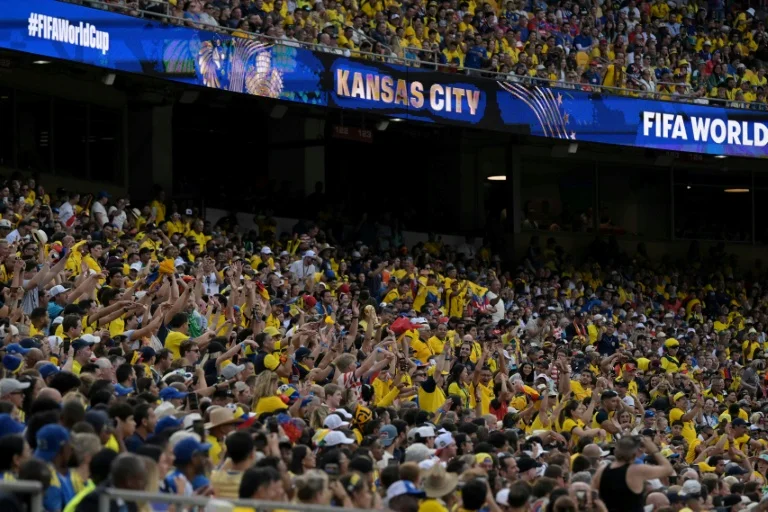
Colombia vs Ghana World Cup Match Faces Extreme Heat Warning in Kansas City
The upcoming World Cup Round of 32 clash between Colombia and Ghana is making headlines not only for its knockout stakes but also for a severe heat alert that has been issued for Kansas City, where the match is scheduled to take place on Friday, July 3. According to the U.S. National Weather Service, an excessive heat warning is in effect as temperatures are forecast to reach near 39°C (102°F), with the heat index potentially soaring to 43°C (109°F) during the afternoon kickoff.
The match, set for Arrowhead Stadium at 20:30 local time, coincides with one of the hottest periods of the day, raising concerns among coaching staff and tournament organizers. The extreme weather conditions have become a central talking point in the buildup, overshadowing some of the tactical preparations on both sides. Colombian and Ghanaian players, as well as the thousands of traveling fans, may face some of the most challenging heat conditions recorded so far in the 2026 World Cup.
Heat Alert Disrupts Preparations
Coaching staff from both teams have expressed unease about playing in such extreme temperatures, which could impact player performance and health. The heat wave currently affecting parts of the central United States has already disrupted other events, including Canada Day celebrations, as reported in Canada Day 2026: Extreme Heat and Flooding Disrupt Celebrations Nationwide. Local authorities and FIFA officials are closely monitoring conditions and may consider hydration breaks or other cooling measures during the match.
What’s at Stake: Group Stage Performances Set the Stage
Colombia enters the knockout stage as group winners after an impressive unbeaten run in Group K. Nestor Lorenzo’s side did not concede a single goal across their three matches, defeating DR Congo 1-0 and Uzbekistan 3-1 before a goalless draw with Portugal confirmed top spot. The defensive solidity, combined with the creativity of Luis Diaz and the veteran intelligence of James Rodriguez, makes Colombia a formidable opponent.
Ghana, meanwhile, took a more difficult path to the Round of 32. Carlos Queiroz’s Black Stars edged through Group L in third place after winning once against Panama, drawing a goalless game with England, and losing 2-1 to Croatia. Their attacking output has been limited, scoring only once in three group matches—a goal from Caleb Yirenkyi. The team will need a significant improvement to pull off an upset.
Historical Context and Stakes
This is the first-ever World Cup meeting between Colombia and Ghana. Colombia is seeking to continue its revival on the international stage, while Ghana looks to prove that its group-stage struggles were an anomaly. The knockout format means everything is settled over 90 minutes—or extra time and penalties if needed. For fans interested in the broader knockout picture, more details are available in How Many Games Left in the 2026 World Cup? Knockout Stages Begin.
Ghana’s Government Offers Incentive for Victory
Adding to the drama, the Ghanaian government has reportedly offered a significant incentive to the team if they win against Colombia. This move is seen as an attempt to motivate the players and boost morale ahead of the challenging encounter. The promise of a reward has added extra pressure and excitement within the Ghanaian camp, though it remains to be seen whether such external incentives can overcome the extreme heat and Colombia’s strong form.
Broader Implications of the Heat Wave
The extreme heat in Kansas City is part of a larger weather pattern affecting the central United States during the World Cup. As the tournament progresses, organizers may need to adjust scheduling or implement new heat policies to ensure player and fan safety. The situation highlights the challenges of hosting a summer World Cup in North America, where heat waves are becoming more frequent and intense. This could influence planning for future tournaments and has sparked debate about climate adaptation in sports.
The Tactical Battle Ahead
Colombia’s patient build-up play and defensive organization will be tested against Ghana’s physical and fast-paced style. The heat is likely to slow the tempo, favoring a more methodical approach. Colombia’s experience in controlling games could prove decisive, but Ghana’s resilience and ability to absorb pressure, as shown in their group stage, should not be underestimated.
Key Players to Watch
Antoine Semenyo remains a key figure for Ghana, having been instrumental in their qualification campaign. For Colombia, Luis Diaz’s pace and dribbling could exploit tired legs in the later stages of the match. The midfield battle, possibly hinging on James Rodriguez’s creativity, will be crucial in determining which team progresses to the last 16.
What This Match Means for the Tournament
The Colombia vs. Ghana matchup is a microcosm of the World Cup’s unpredictability. While Colombia enters as the favorite, knockout football rarely respects reputation or form. The extreme weather adds a layer of uncertainty that could level the playing field. A victory for Colombia would set up a potential clash against a European powerhouse in the next round, while a Ghana win would be a major upset and a testament to the spirit of African football.
Looking ahead, the World Cup knockout stages are now in full swing, and the Colombia–Ghana encounter will set the tone for the intensity of the matches to come. The winner will have to quickly recover and adapt, while the loser will exit the tournament, likely blaming the heat as much as the opponent.
Comments