
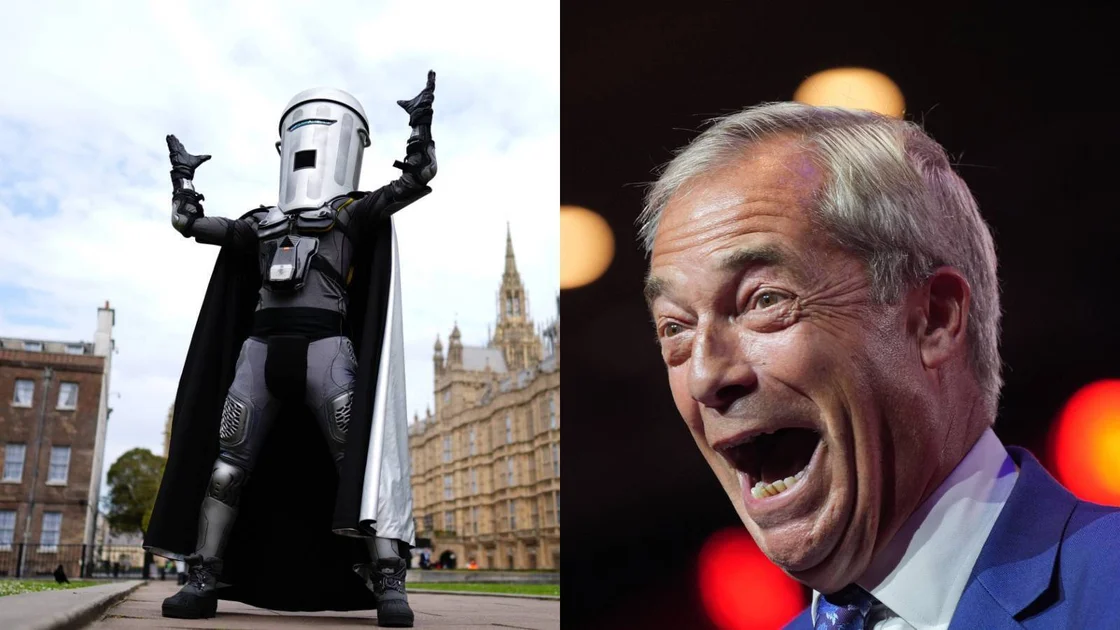
Record 34 Candidates Confirmed for Clacton By-Election
A staggering 34 candidates have been confirmed for the Clacton constituency by-election, setting a modern record for the number of individuals vying for a single parliamentary seat. The election, triggered by the resignation of Reform UK leader Nigel Farage on July 7, will see voters head to the polls on August 13, 2026. According to Tendring District Council, this figure surpasses the previous record of 26 candidates set during the Haltemprice and Howden by-election in July 2008.
The final list, published by acting returning officer Ian Davidson outside Clacton Town Hall and on the council's website, features 20 independents, three candidates from the Official Monster Raving Loony Party, and a mix of minor party hopefuls. Notably, none of the main Westminster parties—Labour, Conservatives, Liberal Democrats, or Green Party—are fielding a candidate, leaving Farage as the sole representative from a major national party.
Nigel Farage Faces Unprecedented Opposition
Farage, who resigned amid increased scrutiny over his finances and a parliamentary investigation, is standing again for the seat he won in the 2024 general election. His highest-profile opponents include Count Binface, the satirical candidate known for his bin-shaped helmet and platform of quirky policies, and actor-turned-politician Laurence Fox, representing The Reclaim Party. The presence of 33 other candidates means Farage faces a uniquely fragmented field, though his name recognition and party machinery give him a structural advantage.
Why This By-Election Matters
The Clacton by-election has drawn national attention not only for the record number of candidates but also for the circumstances surrounding Farage's resignation. Farage stepped down following revelations about his failure to declare a £5 million donation from Bitcoin billionaire Christopher Harborne, who lives in Thailand. The donation was made personally to Farage and was not reported to the parliamentary watchdog within the required timeframe, sparking a wider investigation into Reform UK's finances. This scandal has dented the party's anti-establishment credibility, a key element of its appeal to disaffected voters.
A recent Ipsos poll underscores Farage's vulnerability. When asked who they would prefer to win the by-election, 33% of respondents chose Count Binface, compared to just 21% for Farage. Another 45% either wanted neither candidate or were undecided. The same poll showed Farage's satisfaction rating at just 26%, with 63% dissatisfied, making him the second most unpopular leader after Keir Starmer. Reform UK's voting intentions have also slipped from 34% in June 2025 to 26% in the latest survey, while Labour has gained ground.
The Changing Political Landscape
The decline in Reform's support reflects broader trends. The party's narrative of opposing a 'crooked' establishment has been undermined by the very behavior it criticizes. Accepting large undisclosed donations from a foreign billionaire contradicts the populist message that resonated with working-class voters in the 2024 election. Additionally, the party's policy platform has struggled to adapt to shifting public concerns, such as the cost-of-living crisis and immigration, where more traditional parties have reasserted their positions.
The Candidates: From Joke to Serious Contenders
The full list of 34 candidates includes a diverse array of individuals, many of whom are unlikely to win but add color and controversy to the race. Among the notable entries:
- Count Binface (Count Binface Party): A satirical figure who has become a fixture in British by-elections, known for policies like renaming the M25 after the late comedian Rik Mayall.
- Laurence Fox (The Reclaim Party): The actor and activist has shifted his focus from cultural issues to local campaigning in Clacton.
- Howling Laud Hope and Baron Von Thunderclap (Official Monster Raving Loony Party): The party, known for its absurdist policies, fields three candidates this time.
- John Stevens (Rejoin EU): A single-issue candidate pushing for the UK to rejoin the European Union.
- Kai Stephens (British Democrats): A far-right candidate, reflecting the fragmentation of the right-wing vote.
Other candidates include independents with single-issue platforms, such as the 'Everyone is God Party' and 'UK VOICE safer and stronger UK'. The ballot paper will be the longest in modern British electoral history, testing the capacity of local polling stations to manage the process.
Voter Registration and Logistics
Residents have until July 28 to register to vote, and until 5pm on July 29 to apply for a postal vote. Nearly 80,000 electors across 51 polling stations in the constituency are eligible to vote. The acting returning officer has urged voters to check their registration and ensure they have accepted photo ID, a requirement introduced in recent years. The record number of candidates also means ballot papers will be lengthy, potentially increasing the time needed for counting and reducing the risk of spoiling.
Implications for Reform UK and Farage's Future
The Clacton by-election is a critical test for Farage and Reform UK. A loss—especially to a joke candidate like Count Binface—would be a humiliating blow to Farage's political ambitions. Even a narrow win could be interpreted as a sign of diminished support, given his status as a national figure. The scandal over his finances has already weakened his position within the party, with some Reform members questioning his leadership.
National Trends
The election also reflects a broader trend of disenchantment with traditional politics. The decision of Labour, Conservatives, Liberal Democrats, and Greens to not field candidates underscores the perception that Clacton is a 'safe seat' for Farage. But the surge in independent and joke candidates suggests that voters are seeking alternatives to the mainstream. This fragmentation is not unique to Clacton; it mirrors national trends where trust in political institutions is declining, and protest votes are increasingly channeled through fringe candidates.
What This Race Tells Us About the Future of UK Politics
The Clacton by-election is more than a local contest; it is a microcosm of the forces reshaping British politics. The record number of candidates highlights the erosion of traditional party loyalty and the rise of personalized, often eccentric, political brands. The fact that a satirical candidate like Count Binface could poll ahead of a sitting MP speaks to the mood of disillusionment and cynicism among the electorate.
The 'Binface Factor'
While Count Binface is unlikely to win, his strong polling numbers indicate a protest vote against Farage specifically, and against the political establishment more broadly. This phenomenon is reminiscent of the 'Shy Tory' effect but inverted—voters may be expressing support for Binface as a way to signal their disgust with the choices on offer. The high percentage of undecided voters (45%) suggests that many are waiting to see how the campaign unfolds.
Implications for 2029
If Farage loses or wins by a narrow margin, Reform UK's position as a major political force could be severely weakened. The party has already seen a dip in national polling, and a poor showing in Clacton could trigger internal power struggles. Conversely, a decisive victory might restore Farage's credibility, but the financial scandal will continue to hang over him. The by-election also sets a precedent for future contests, particularly if other MPs resign under pressure, leading to similar 'carnival' elections.
Conclusion
The Clacton by-election on August 13 will be a defining moment for Nigel Farage and Reform UK. With a record 34 candidates, including 20 independents and the popular satirical figure Count Binface, the race has captured the imagination of the public and the media. While Farage remains the favorite, the polls suggest a close contest, and the outcome will have ripple effects for UK politics well beyond the Essex coast. Voter registration closes on July 28, and the count on August 13 promises to be one of the most closely watched in recent memory.
For more on the changing dynamics of British elections, read about Karoline Leavitt Returns to Briefing, Previews Trump’s Election Security Address and Trump Administration Imposes New Election Security Mandates on States.
Comments