
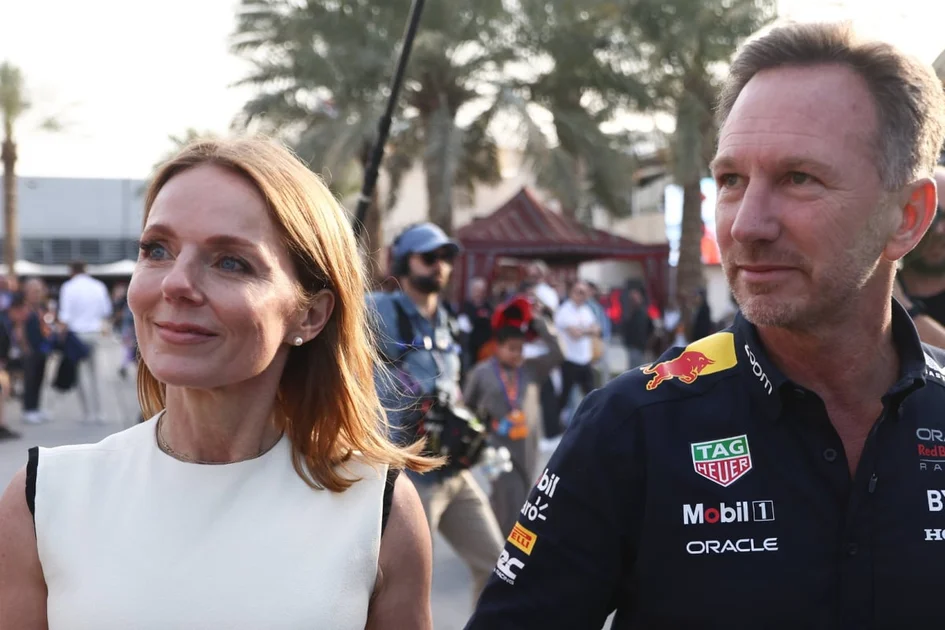
Mercedes Pulls Out of Alpine Stake Deal, Opening Door for Horner
Mercedes has abruptly ended negotiations to acquire a 24% stake in the Alpine Formula 1 team, a decision that significantly improves the prospects for former Red Bull team principal Christian Horner to secure a return to the paddock. The collapse of the talks, first reported by BBC Sport, centers on a wide valuation gap between the two parties.
Otro Capital, an investment group that counts athletes Anthony Joshua, Rory McIlroy, and Trent Alexander-Arnold among its investors, purchased the minority stake in Alpine for approximately $233 million in 2023. The group is now seeking $720 million for that same shareholding—a figure that would value the entire Enstone-based team at $3 billion. Mercedes, however, reportedly values Alpine at around $2.3 billion, leaving a gap of at least $150 million between buyer and seller.
“We understand that discussions have stopped,” a source at Renault, Alpine's majority owner, told the BBC. Mercedes had agreed in principle to buy the shares from Renault, not directly from Otro, but the deal collapsed when the two sides could not bridge the valuation chasm. A Mercedes spokesperson had previously stated in March that the Silver Arrows were “a key strategic partner of Alpine” and were “being kept apprised of the latest developments.”
Flavio Briatore, Alpine's executive director and de facto team principal, confirmed earlier this year that “three or four potential buyers” were circling the Otro stake. With Mercedes now out of the picture, Horner's camp appears to be the most credible remaining bidder.
Horner's Two-Pronged Strategy: Alpine Stake or BYD Expansion
Christian Horner, who was dismissed by Red Bull in 2025 after a turbulent start to the season, has made no secret of his desire to return to Formula 1—but on his own terms. The 52-year-old has publicly stated that any future role must involve a long-term commitment and, crucially, an ownership or equity stake in the organization. His estimated career earnings and deep network of high-net-worth contacts put him in a position to assemble a consortium to acquire the Otro Capital shares.
However, Horner's path back to F1 is not limited to Alpine. Reports have also linked him to a potential partnership with Chinese automaker BYD, which is exploring an entry into Formula 1 as a new constructor. A grid expansion to 12 teams and 24 cars would be required, and BYD's vice president, Stella Li, has been seen meeting with Horner in recent weeks. Starting a new team from scratch is a monumental undertaking, but Horner's track record at Red Bull—where he helped transform a fledgling operation into a dynasty that won 14 championships over two decades—makes him arguably the most qualified person in the world for such a project.
The BYD option would allow Horner to build an organization from the ground up, replicating the culture and structure he established at Red Bull. However, it would also require a longer timeline and face regulatory hurdles, as any new team must be approved by both the FIA and the existing competitors. The Alpine route, by contrast, offers a turnkey operation with an established factory, workforce, and powertrain partnership with Mercedes.
Renault's Veto Power and the Road Ahead
A significant obstacle remains for the Horner-Alpine scenario: Renault's power of veto. Until September 2026, the French manufacturer retains the right to block any sale of the Otro shares. Renault is believed to have already exercised that veto against an initial proposal from Horner's group earlier this year.
Alpine's executive director Flavio Briatore has been careful not to take sides publicly. “Every day is a new situation,” Briatore said in March when asked about the negotiations. “Don't forget, we're talking about the Otro shares, nothing to do with Alpine. It's the share owned by this hedge fund, it's called Otro, an American fund, they want to sell the 24 percent, and a few candidates are ready to do the deal.”
Renault's motivations for blocking Horner are not entirely clear, but they may stem from a desire to maintain control over the team's direction or from residual tensions stemming from Horner's long rivalry with Mercedes and, by extension, its engine partner Renault. With the Mercedes deal now dead, Renault may reconsider its stance, especially if the alternative is Otro remaining a disgruntled minority shareholder.
Broader Implications: F1 Team Valuations Skyrocket
The collapse of the Mercedes-Alpine deal and the eye-watering $3 billion valuation attached to the team underscore a broader trend in Formula 1: team values are soaring as the sport's global popularity continues to explode. According to recent valuations by Sportico, Ferrari leads the pack at $6.4 billion, followed by Mercedes ($5.88 billion) and McLaren ($4.73 billion). Red Bull, Horner's former team, is valued at $4.32 billion.
These valuations are fueled by the sport's expansion into new markets, the introduction of a budget cap that has improved financial sustainability, and the influx of major manufacturers like Audi and Ford. The potential addition of BYD as an 11th or 12th team would only accelerate this trend, as the Chinese market represents a massive untapped opportunity for F1's commercial rights holders.
For Horner, the timing could not be better. Whether through an Alpine acquisition or a BYD-backed startup, the path back to Formula 1 appears clearer than it has at any point since his departure from Red Bull. The coming weeks will likely determine which route he takes—and whether Renault will finally let him through the door.
For more on the latest developments in Formula 1, check out our coverage of the WWDC 2026 Countdown: Siri 2.0, M5 Macs, and Tim Cook's Final Bow on June 8.
Comments