
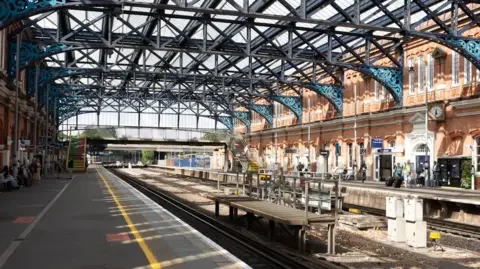
Bournemouth Station Power Cut: Disruption Persists After Power Restored
Rail passengers travelling through Bournemouth station face continued disruption into Monday evening after an earlier power cut, South Western Railway (SWR) has confirmed. The power supply has been restored, but services between London Waterloo and Weymouth may still be cancelled, delayed by up to two hours, or revised, according to the operator.
The outage left trains out of position, and each unit must now be moved separately to test safety systems in the area. SWR expects disruption to last until at least 19:00 BST. All lines through the station were initially disrupted, as reported by Bournemouth Echo, which ran live updates on the incident.
What Passengers Need to Know
Travellers should check before they travel and allow extra time for their journeys. Those with tickets for affected services may be able to use them on alternative routes or later trains, though SWR has not yet detailed specific arrangements. The operator has advised passengers to monitor its website and social media channels for the latest information.
The disruption comes on the same day that a major power cut hit parts of London, affecting 32 postcodes and causing significant travel chaos across the capital. While the two incidents appear unrelated—the London outage was caused by a fault on an underground electricity cable—they highlight the vulnerability of the UK's rail and power infrastructure to unexpected failures.
Context: A Day of Power-Related Travel Chaos
The Bournemouth incident is part of a wider pattern of power-related travel disruption on Monday. In London, a fault on an underground cable plunged thousands of homes and businesses into darkness just after 10:30am. Liverpool Street station's departure boards went blank, and Great Northern trains were unable to stop at Essex Road station in Islington because of a loss of platform lighting. UK Power Networks restored full service shortly after midday, but residual delays persisted on National Rail and London Underground services.
For Bournemouth, the timing is particularly sensitive. The station serves as a key transport hub for the South Coast, connecting London Waterloo with Weymouth and intermediate towns. A power cut of this nature—even if resolved—can have cascading effects on rolling stock and crew schedules, and the requirement to test safety systems train by train means that normal service may not resume until well into the evening.
The Broader Strain on Rail Infrastructure
This is not the first time in recent months that power-related failures have caused significant rail disruption. As the UK's rail network continues to recover from post-pandemic challenges, including staffing shortages and ageing infrastructure, such incidents add pressure on operators to maintain reliability. South Western Railway, which operates the Bournemouth line, has faced criticism in the past for its handling of disruption, and today's incident will likely renew calls for greater investment in resilient power systems.
While the cause of the Bournemouth power cut has not been disclosed, the fact that it affected all lines suggests a problem with the primary supply to the station. Network Rail, which owns and maintains the infrastructure, is likely working with SWR to investigate. In the meantime, passengers are advised to expect delays and to consider alternative travel arrangements where possible.
Perspective: Rising Pressure on an Ageing Network
The Bournemouth power cut and the simultaneous London outage raise questions about the resilience of the UK's electricity and rail infrastructure. As extreme weather events become more frequent and demand on the grid grows, the risk of cable faults and other failures increases. For rail passengers, the knock-on effects can be severe, especially at key hubs like Bournemouth, where a single point of failure can disrupt an entire region's services.
There is also a human cost. Delays of up to two hours can derail commuters' plans, cause missed connections, and lead to overcrowding on alternative services. While SWR has promised to keep passengers informed, the experience can be frustrating, particularly when the cause is outside the operator's control.
Looking ahead, incidents like these underscore the need for continued investment in both the rail network and the national grid. The government's recent commitments to infrastructure spending may help, but the pace of improvement must match the growing demand for reliable travel. For now, passengers in Bournemouth and London are reminded that even a resolved power cut can have lingering effects—and that checking before you travel remains essential.
As the evening peak approaches, SWR will be working to restore normal service as quickly and safely as possible. Passengers are advised to allow extra time and to check the latest updates before setting out. For those affected by the London power cut, similar advice applies, with residual delays expected on some routes into the evening.
In a time when travel plans can be upended by a single cable fault, the events of Monday serve as a reminder of how interconnected—and fragile—the systems that keep Britain moving can be.
Comments