
Beauty Advent Calendars 2026 Are Here: Why August Is the New November for Luxury Pre-Orders
It might still be peak summer, but the beauty industry has already flipped the calendar to December. In a move that has become an annual tradition in itself, the biggest names in cosmetics—from Liberty and Harrods to Lush and John Lewis—have begun unveiling their 2026 beauty advent calendars. With pre-order windows opening and waitlists going live, retailers are signaling that the race for these coveted holiday boxes is starting earlier than ever before.
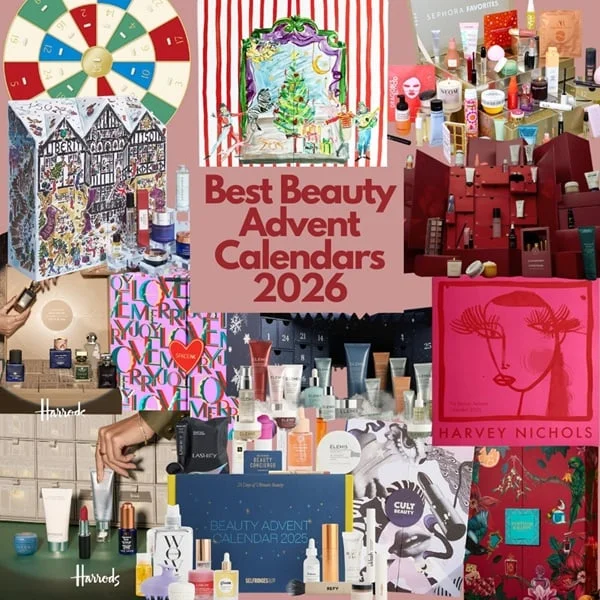
This week alone, Harrods officially opened pre-orders for its £270 beauty advent calendar, a 24-day collection that boasts a total value of £1,039. Liberty London has also launched its waiting list for a £285 calendar worth an estimated £1,300, while John Lewis surprised shoppers by opening pre-orders on August 3 for members of its MyJL beauty app, with general sale following on September 7. Cult Beauty, Harvey Nichols, and Fortnum & Mason have all teased or released details as well, creating a flurry of festive activity in the middle of a heatwave.
The early wave is not just about getting a head start on holiday shopping. According to retail analysts and shopping editors tracking the market, most premium beauty advent calendars are expected to sell out by late October—if not sooner. Last year, Harrods' fragrance version sold out within weeks, and the broader trend shows that hesitation often leads to disappointment. With that urgency in mind, here is everything you need to know about the 2026 lineup, from contents and value to where to secure your box before the autumn rush.
The Heavyweights: Harrods, Liberty, and John Lewis Set the Pace
Harrods: A £270 Box with Over £1,000 in Value
Harrods has long been considered the gold standard for luxury beauty advent calendars, and the 2026 edition does not disappoint. Priced at £270, the calendar contains 24 doors and is now available for pre-order on Harrods.com, with international shipping also an option. The value proposition is immediate: the contents are worth £1,039, meaning shoppers get roughly four times what they pay for.
What's inside is a carefully curated mix of full-size icons and premium deluxe samples. Highlights include Augustinus Bader's The Rich Eye Cream (full size, worth £170), Shiseido's Future Solution LX Eye & Lip Contour Regenerating Cream (full size, worth £186), and Valmont's Prime Renewing Pack (full size, worth £168). The calendar also includes heavyweights like Sisley's Le Phyto Rouge lipstick, Medik8's C-Tetra Advanced serum, and Bioeffect's EGF Serum. For fragrance lovers, there's a Montale Eau de Parfum and Gucci Beauty's Éclat de Beauté face gloss. It also features a practical mix of tools from Otis Batterbee and a £75 voucher off selected CurrentBody Skin devices, a nod to the growing trend of incorporating beauty tech into advent offerings.
While one commenter on beauty blog Beauty Detective expressed slight disappointment at a few selections, the overall reception has been enthusiastic, with many noting the inclusion of full-size luxury skincare as a major draw. If you're looking for a broad yet discerning selection, Harrods is an early frontrunner.
Liberty: The £285 Countdown with a £1,300 Perceived Value
Liberty London has also opened its waitlist for the 2026 edition, keeping the price at £285. While the full contents have not been officially revealed in the sources, the retailer has teased a lineup that is expected to include brands like Charlotte Tilbury, Byredo, and Augustinus Bader—names that have appeared in previous years. The perceived value is estimated at £1,300, one of the highest ratios in the market. Liberty's calendar is known for its elegant packaging and its emphasis on niche and heritage brands, making it a favorite among beauty connoisseurs who value curation over sheer volume. The waitlist is free to join, but those who sign up early will have the first chance to purchase when stock goes live, which is typically in early October.
John Lewis: A Broad Appeal with 41 Products
The John Lewis beauty advent calendar, now priced at £250, has been singled out by reviewers as this year's 'crowd-pleaser'. With 25 doors and 41 products—23 of which are full size—it offers a staggering value of £1,160. The Independent's beauty editor described audibly gasping at the selection, which includes a mix of mass-premium and luxury brands such as Clinique, Estée Lauder, and Lancôme. What sets it apart is its inclusivity: there are brands for older demographics like Sisley and Trinny London, K-beauty options from Dr. Jart+, and newer launches from Benefit and Foreo (including the UFO 3 device).
However, reviewers have noted that some minis are quite small (around 5ml), particularly for high-end brands like Sisley, which explains the high value ratio. For those who want a wide variety and don't mind a few smaller sizes, this is arguably the best all-rounder. Pre-orders opened three days ago for app members, and general sale goes live on September 7—but given the buzz, it's likely to sell out quickly.
Why This Year Feels Different: Early Launch Trends and Scarcity
The 2026 season is not just early; it's the earliest in the category's history. Comparing notes from the sources, retailers like John Lewis and Harrods have brought forward launch dates by several weeks compared to last year. This shift is a direct response to consumer behavior shaped by post-pandemic supply chain issues and a competitive retail environment where loyalty is hard-won. By opening waitlists in August, brands secure a committed audience early, reducing the risk of unsold stock in a high-ticket category.
For customers, the implications are twofold. On one hand, it offers breathing room to budget and research. On the other, it creates a sense of urgency that can lead to impulse buying. As one shopping editor noted, "There's no such thing as too early in the beauty world." The strategy is working: sources indicate that most major calendars—including Liberty and Harrods—have already generated significant waitlist sign-ups, and smaller niche players like L'Occitane (priced at £169) are also drawing attention with their prestige options.
Another trend worth noting is the escalation in value. While a £250-plus price tag was once considered luxurious, it is now the norm for top-tier calendars. Cult Beauty's £245 offering boasts a £1,100 value, and Harvey Nichols' £250 box is worth a claimed £1,000. This arms race in perceived value forces brands to secure high-end stock, which in turn drives up the retail price. For consumers, the calculation is simple: if you can afford the upfront cost, the per-item price often beats buying full size at retail.
Beyond the Big Names: What Else Is on the Shelves
While the department stores dominate headlines, the 2026 market is also being shaped by direct-to-consumer brands. Lush, known for its best-selling bath and body products, has launched its £210 calendar, which focuses on seasonal exclusives. L'Occitane's prestige version, at £169, is one of the more affordable luxury options and is popular for its proven skincare formulas. Fortnum & Mason has entered the race with a £275 calendar worth £1,225, aiming to blend its heritage foodie status with top-tier beauty.
Space NK, a cult-favorite beauty retailer, is also rumored to be releasing its own calendar, with spoilers already appearing on blogs like Beauty Detective. Sephora, which recently expanded its UK presence, is also expected to drop a calendar with a mix of inclusive and viral brands. Boots, meanwhile, is taking a different tack with a '24-day premium' version priced at £150, worth £700, targeting a more accessible segment of the market without sacrificing quality.
For Gen Z, the Lush offering is popular for its eco-conscious ethos, while John Lewis is attracting a more mature audience with its mix of clinical skincare. The spread means that the market is no longer just a luxury playground; there are options for various budgets, though the 'best' ones are still firmly in the £200-plus range.
The Broader Implications: Luxury Spending and Holiday Planning
The explosion of early beauty advent calendar releases speaks to a larger consumer trend: the decoupling of holiday shopping from the holiday season itself. Retailers are training customers to think about Christmas in August, not just for limited-edition items, but for practical holiday planning. As one source noted, "most beauty advent calendars sell out by late October," making August and September the new November.
This data point has broader implications for the retail calendar. With the cost-of-living crisis easing for some demographics but still pressing for others, luxury beauty has remained resilient. A £250 calendar is an indulgence, but one that is increasingly justified as a 'treat' or a 'gift that lasts beyond party season'. Brands are capitalizing on this by offering deferred payment options and early-bird perks, such as John Lewis's app-only pre-sale.
From a market perspective, the early launch also solves a logistics puzzle. By moving launches to late summer, brands avoid the shipping bottlenecks of November and December, ensuring that packaging (which is often heavy and awkward) arrives safely. It also allows for easier returns if a customer is dissatisfied, a key factor for building trust in what is essentially an expensive blind box.
Expert Perspective: Is It Worth the Hype?
As a reviewer who has tested calendars for over half a decade, one key perspective from The Independent stands out: the quality of this year's crop is higher than ever, but so is the price. The John Lewis selection, for instance, was praised for having "minimal unexciting products," yet the reviewer still cautioned about the small sizes of certain minis. The Harrods calendar, while impressive, seems to be missing a few brands that some commenters expected, like a Huda Beauty or a more show-stopping fragrance.
In the end, the decision to buy one of these calendars comes down to two metrics: the value of the contents versus the retail price, and the personal suitability of the products. While the advertised 'worth' is based on full-size retail prices, consumers should keep in mind that not all items will be full size or perfectly suited to their skin type. However, for those looking to explore a wide range of high-end products or to gift a beauty lover a curated collection, these calendars remain one of the best deals in the industry.
As the summer edges into fall, the next few weeks will be crucial. Liberty and Harrods waitlists are open, and John Lewis will open general sales on September 7. Cult Beauty and Harvey Nichols are expected to follow shortly after. For those hoping to secure a box, the advice from every source is unanimous: don't wait. In the world of beauty advent calendars 2026, the early bird does not just get the worm—it gets the full-size Augustinus Bader cream.
In closing, while the holiday season seems distant, the beauty industry has already decided that December starts in August. Whether you are a first-time buyer or a seasoned collector, the planning has already begun. Keep an eye on our beauty reviews and lifestyle coverage for more updates, and as always, happy hunting.
Comments