
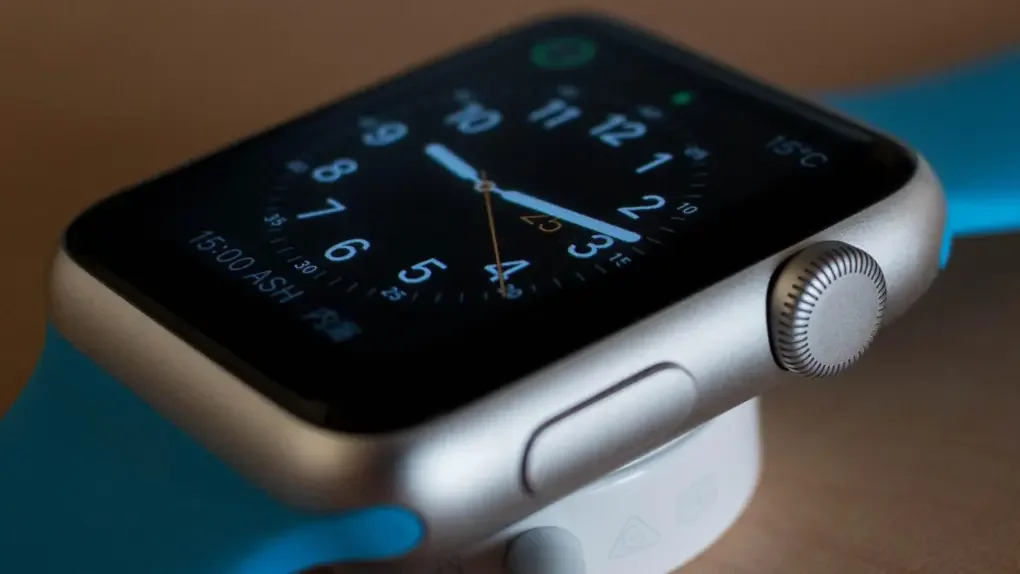
Apple Watch Series 12 and Ultra 4: Gurman Details Ceramic Colors, Continuous Heart-Rate Tracking, and More
Bloomberg's Mark Gurman has dropped a fresh wave of Apple Watch rumors just days before Apple's "Surprise and shine" event on September 9. In his latest "Power On" newsletter, Gurman reveals that Apple has been testing two ceramic case finishes for the Apple Watch Series 12—white and dark gray—internally codenamed "iceman." He also reports that Apple is experimenting with always-on heart-rate tracking and a revamped Fitness app designed to display wellness metrics in a style similar to Whoop and Oura.
These revelations add to a growing list of expectations for the upcoming Apple Watch lineup. While no major redesign is expected this year, the Series 12 and Ultra 4 are anticipated to bring meaningful health and fitness upgrades, a new S-class chip, and possibly a return of the premium ceramic casing last seen in the Series 3 era. With the September 9 event fast approaching, these final rumors paint a picture of a wearable that is refining its strengths rather than reinventing its form.
Ceramic Case Returns: Two Color Options
Gurman confirmed that Apple has tested both white and dark gray ceramic case versions for the Apple Watch Series 12. This echoes the high-end ceramic options offered for the Apple Watch Series 3 in 2017, which featured a bright white and a darker gray finish. The internal codename "iceman" suggests Apple is viewing this material as a premium, almost icy aesthetic.
The ceramic case is expected to be positioned as a luxury option, likely commanding a higher price than the standard aluminum and stainless steel models. It would mark the return of a material that Apple has not used since the Series 5, when the ceramic edition was discontinued. For collectors and enthusiasts, this is a nostalgic and exciting development. However, as Gurman notes, these premium materials come at a cost, and it's unclear whether the dark gray option will be available in all regions.
Continuous Heart-Rate Tracking: A Game Changer for Health Monitoring
One of the most intriguing rumors from Gurman's newsletter is Apple's testing of a feature that would allow the heart-rate sensor to collect data continuously throughout the day. Currently, the Apple Watch measures heart rate at semi-random intervals and during workouts. Continuous monitoring would provide a much more comprehensive picture of cardiovascular health, potentially enabling earlier detection of irregularities and better overall wellness insights.
This shift would align the Apple Watch more closely with dedicated fitness trackers like Whoop and Oura, which already offer 24/7 heart-rate monitoring. If implemented, it could be a significant selling point for health-conscious consumers who feel that the Apple Watch's current approach to heart-rate data is too sporadic. The continuous data flow would also feed into the rumored revamped Fitness app, allowing for more detailed trend analysis.
Fitness App Revamp: A Nod to Whoop and Oura
Gurman also reported that Apple is working on a major software update to its Fitness and Health apps. The goal is to present users with more wellness-related metrics in a way that is both intuitive and actionable. This is seen as a direct response to the growing popularity of Whoop and Oura, which have built their brands on data-rich subscriptions that offer daily readiness scores, sleep quality breakdowns, and personalized recommendations.
The current Apple Fitness app focuses heavily on Activity Rings (Move, Exercise, Stand) and workout history. A revamp could introduce features like a recovery score, training load analysis, and more granular sleep staging—all presented in a clean, visual format. This would make the Apple Watch a more formidable competitor in the wellness space, potentially convincing some Whoop or Oura users to switch.
Context: The Stakes and Recent Background
The Apple Watch is not just a product; it's a cornerstone of Apple's health strategy. With over 100 million active users, it is the most popular smartwatch in the world, and Apple has increasingly positioned it as a health companion rather than just a notification device. The latest rumors come at a time when the wearable market is becoming more competitive, with companies like Garmin, Whoop, and Oura carving out niches in specialized health tracking.
Apple's current lineup—the Series 11 and Ultra 3—launched in 2025 with the S10 chip. However, as 9to5Mac notes, the last significant performance bump was in 2023. This year's models are expected to feature a new S11 or S12 chip, marking the first CPU improvement in three years. This is crucial not only for everyday speed but also for powering AI features, especially with the integration of Siri AI in watchOS 27. A more powerful chip could enable on-device health analysis, making the Apple Watch a true AI wearable.
No Major Redesign, But a Redesign Is Coming
Mark Gurman has consistently reiterated that neither the Series 12 nor the Ultra 4 will receive a major design overhaul this year. Instead, Apple is reportedly focusing on internal improvements and material changes. However, he also revealed that a significant redesign is in the works, potentially debuting in 2027, though that could slip to 2028. This aligns with previous reports that Apple is exploring radical new form factors, including a round-faced watch and even a screenless fitness tracker.
The upcoming redesign is expected to be as transformative as the foldable iPhone. In an earlier newsletter, Gurman compared the Apple Watch's evolution to the "revolutionary design change" of the foldable iPhone. This suggests that Apple is thinking beyond the current square-ish design, possibly introducing a completely new shape or interface that could redefine the smartwatch category.
Wait, What About Touch ID and Other Rumors?
There have been conflicting rumors about Touch ID coming to the Apple Watch. Gurman has poured cold water on that, stating that he does not expect Touch ID in either the Series 12 or Ultra 4. Similarly, a sketchy rumor about a health sensor embedded in the band has not been corroborated. While Apple has patents for such technology, it appears unlikely to debut this year.
Instead, the focus is on more practical upgrades: faster performance, improved health tracking, and possibly a new battery optimization. The small change in preorder timing—from the usual Friday to a Saturday, and earlier time slots—is a minor but notable detail for eager buyers.
Perspective: Broader Implications and Trends
The Apple Watch's evolution is closely watched as a barometer for the entire smartwatch industry. When Apple introduces a feature, it often becomes the industry standard. The move toward continuous heart-rate monitoring and a more wellness-focused app could pressure other manufacturers to follow suit. It also signals that Apple is doubling down on health as a key differentiator, especially as the Vision Pro headset struggles to find a mass market and the company navigates a transition in leadership, as seen in recent Apple Layoffs 2026: Siri and Vision Pro Teams Hit as CEO Transition Looms.
For consumers, the implication is that the Apple Watch will become even more essential for tracking well-being. With the rise of AI, we can expect the watch to provide more personalized insights, potentially alerting users to health issues before they become serious. The ceramic option, while niche, also underscores Apple's strategy of offering premium variants to cater to luxury customers.
The rumored 2027 redesign is a tantalizing prospect. If Apple does introduce a completely new design, it could reset the expectations for smartwatches, just as the original Apple Watch did in 2015. For now, the Series 12 and Ultra 4 are shaping up to be iterative but meaningful updates, proving that sometimes the best changes are the ones you don't see.
As we await the September 9 event, one thing is clear: Apple is listening to its users' demands for more health data and better presentation. The rumors from Gurman, one of the most reliable Apple analysts, give us a highly plausible preview. Whether the always-on heart rate and new apps materialize remains to be seen, but the momentum behind these features suggests they are more than just whispers.
In the meantime, if you're thinking about upgrading your current Apple Watch, it might be wise to wait a few more weeks. The new models are expected to offer meaningful improvements that could significantly enhance your daily health monitoring. And for those who have been holding out for a ceramic case, your patience may finally be rewarded.
Comments