
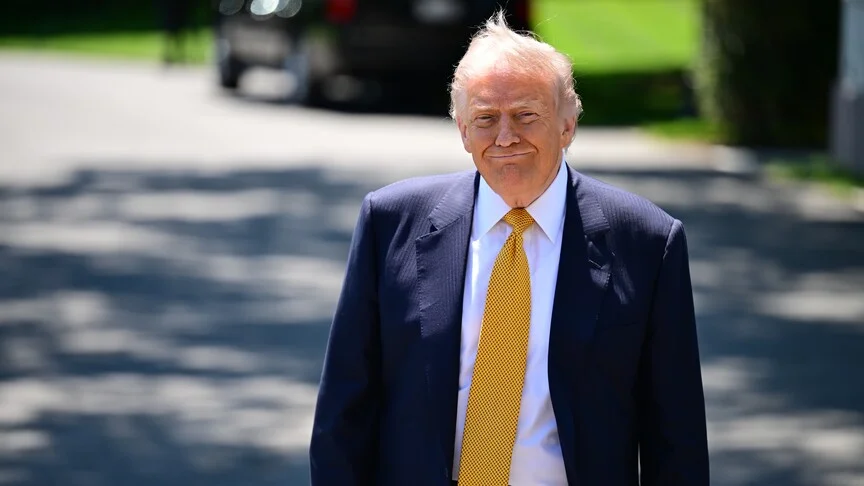
Outrage Erupts Again as Trump Posts Naruto Video
A renewed wave of anger is sweeping through Japanese anime and manga fandom after U.S. President Donald Trump posted a video on his Truth Social account over the weekend depicting himself as Naruto Uzumaki, the iconic ninja protagonist of the global hit series Naruto. The move has caused an online petition, originally launched in March, to surge past 20,000 signatures, with supporters demanding that Trump and the White House cease using beloved Japanese characters without authorization.
The petition, titled Protect Japanese Manga, was created on Change.org by Nana Suzuki, a 34-year-old self-described anime enthusiast from Kanagawa. It calls on the Japanese government to formally intervene with the U.S. embassy regarding what fans describe as a pattern of copyright disregard and cultural insensitivity. The latest escalation follows months of simmering frustration that began when the official White House X account posted videos pairing footage of U.S. military strikes on Iran with clips from Yu-Gi-Oh! and Dragon Ball.
Suzuki told the BBC she started the petition to give fellow fans a platform. "Kazuki Takahashi, the creator of Yu-Gi-Oh!, passed away after attempting to rescue someone in the ocean. It deeply saddened me that his noble spirit — someone who tried to save others and the message of his work — was used in a military context, and that he is no longer alive to speak up himself." Her words captured the sentiment of thousands who feel Trump's appropriation crosses an ethical line.
Key Facts at a Glance
- Petition status: Nearly 20,000 signatures as of June 10, 2026.
- Trigger event: Trump shared a video on Truth Social on June 6 depicting himself as Naruto.
- Previous incidents: White House X account used Yu-Gi-Oh! and Dragon Ball imagery in March alongside military strike footage.
- Rights holder reactions: The official Yu-Gi-Oh! X account stated no permission was given; Pokémon Company International has condemned the use of its imagery.
- Government involvement: Japan’s Ministry of Foreign Affairs previously made a request to the U.S. embassy regarding unauthorized use of Yu-Gi-Oh! and Nintendo content.
Why the Outrage Runs Deep
The controversy is not merely about copyright — it taps into a broader discomfort among fans who see Trump’s use of anime as a misrepresentation of the values these stories embody. The petition’s text argues that series like Naruto, Dragon Ball, and Yu-Gi-Oh! have inspired audiences worldwide by promoting courage, friendship, and perseverance. Using such imagery in a political or military context, fans say, contradicts the creators’ original intentions.
The March Incident That Started It All
In March 2026, the White House X account released a video that combined real-world footage of U.S. military operations in Iran with fast-cut scenes from Yu-Gi-Oh! and Dragon Ball. A day earlier, the same account posted an image with the phrase "Make America Great Again" superimposed on a screengrab from the Pokémon Pokopia video game. The juxtaposition of military force with children’s entertainment sparked immediate backlash on social media in Japan and among global anime communities.
The petition claims that following the March incident, Japan’s Ministry of Foreign Affairs formally raised the issue with the U.S. embassy. But the lack of a public response — and Trump’s subsequent Naruto video — convinced organizers that stronger action is needed. The petition was reopened on June 9 as an "urgent" effort to convey fans’ concerns directly to rights holders and the Japanese government.
Whose Characters Are They?
Intellectual property rights in Japan are taken extremely seriously, and unauthorized use can lead to legal action. However, the United States operates under a different legal framework, and Trump’s use of anime imagery falls into a gray zone. While copyright law generally protects against commercial exploitation without permission, political speech — even by a sitting president — often enjoys broader First Amendment protections.
Nevertheless, rights holders have not remained silent. The official Yu-Gi-Oh! account on X issued a statement in March declaring that the original creators and anime staff were not involved and gave no permission for the use of their property. Pokémon Company International has also condemned the administration’s use of its characters. The BBC has contacted other rights holders for comment but has yet to receive responses from entities like Shueisha, the publisher of Naruto.
Fan Voices: Mixed Reactions, Strong Emotions
The petition has revived intense debate on social media. Fans are divided between those who see the president’s posts as harmless fun and those who view them as a serious breach of cultural respect.
Frustration and Disrespect
Matsui Qunishige, a fan who posted on Tuesday, summed up the frustration: "If you respect the creators and those involved and have obtained their permission, I think that’s fine. Otherwise, you’re just showing yourself to be someone who can’t follow the rules and who disregards culture. And that criticism will likely be directed at Americans. They’re the ones who chose [Trump]."
Kei Fukuyosh was more direct: "I truly, from the bottom of my heart, want them to stop. Their sense of ethics is severely lacking. I want the government to speak out against this."
Another user, Keiichi Motohashi, questioned the copyright implications directly: "I wonder what the copyright situation is with this? Shouldn’t the publishers speak up?"
A Few Find It Humorous
Not all fans are upset. A small minority have shrugged off the controversy, with one X user calling the Naruto video "hilarious" and suggesting it would only increase the series’ international recognition. This minority view, however, has been drowned out by the overwhelming negative response on Japanese social media platforms.
Broader Implications: A Test of Cultural Diplomacy
This episode is not happening in a vacuum. It comes at a time when U.S.-Japan relations face multiple pressures, from trade disputes to defense cooperation. While the anime character controversy is unlikely to derail high-level diplomacy, it highlights a growing disconnect between how American leaders and Japanese citizens view cultural symbols.
A Question of Respect for Creators
Japan’s creative industries are a major soft-power asset. Anime and manga generate billions of dollars annually and are central to the country’s cultural export strategy. When a U.S. president uses those characters without permission — and in a context that many consider militaristic — it can feel like a devaluation of the art form and the labor of its creators. The petition specifically mentions that Kazuki Takahashi died while trying to save a drowning person, and that using his work alongside military footage feels like a betrayal of his legacy.
Parallels to Other Controversies
The Trump administration is no stranger to cultural appropriation debates. The president has faced scrutiny for using music by artists without permission at rallies, and for borrowing imagery from movies and video games in campaign ads. This anime dispute is a variation on a familiar theme: the collision of political communication with intellectual property norms.
For Trump, the decision to post anime content may be a strategic attempt to engage younger, internet-savvy voters. Anime’s popularity among Gen Z and Millennials in the United States is significant, and Trump’s team may see the references as a way to appear relatable. But the backlash from Japan — a key ally — suggests the gamble may backfire diplomatically.
What Comes Next?
The petition organizers have pledged to intensify lobbying efforts with the Japanese government. Whether the Ministry of Foreign Affairs will escalate its formal complaints remains unclear. Rights holders could theoretically pursue legal action, but cross-border copyright litigation is expensive and time-consuming. The most likely outcome is continued public pressure and the risk of reputational harm for the Trump administration among anime fans worldwide.
In other news, Heartbreak for Scotland Fans as US Travel Permits Revoked Hours Before World Cup highlights how international relations can suddenly affect everyday people. Meanwhile, the Trump administration faces Senate showdown over Colorado River crisis, showing the range of challenges on the president’s agenda beyond cultural flashpoints.
Conclusion: A Symbolic Battle with Real Consequences
The petition may not force Trump to stop posting anime content, but it has succeeded in amplifying the voices of fans who feel their culture is being used without consent. The 20,000 signatures represent a fraction of Japan’s anime fanbase, but the online discourse suggests the anger is widespread and deeply felt.
As one fan put it, the core issue is about more than copyright — it is about respect. Japan has long shared its cultural treasures with the world, but the expectation has always been that they would be treated with care. The Trump administration’s approach, whether intentional or not, has violated that expectation for many. Until a formal response comes from the White House or rights holders take legal action, the debate will likely continue to simmer, fueled by every new post that features a ninja, a Pokémon, or a dragon without permission.
For now, the anime community is watching closely — and waiting.
Comments