
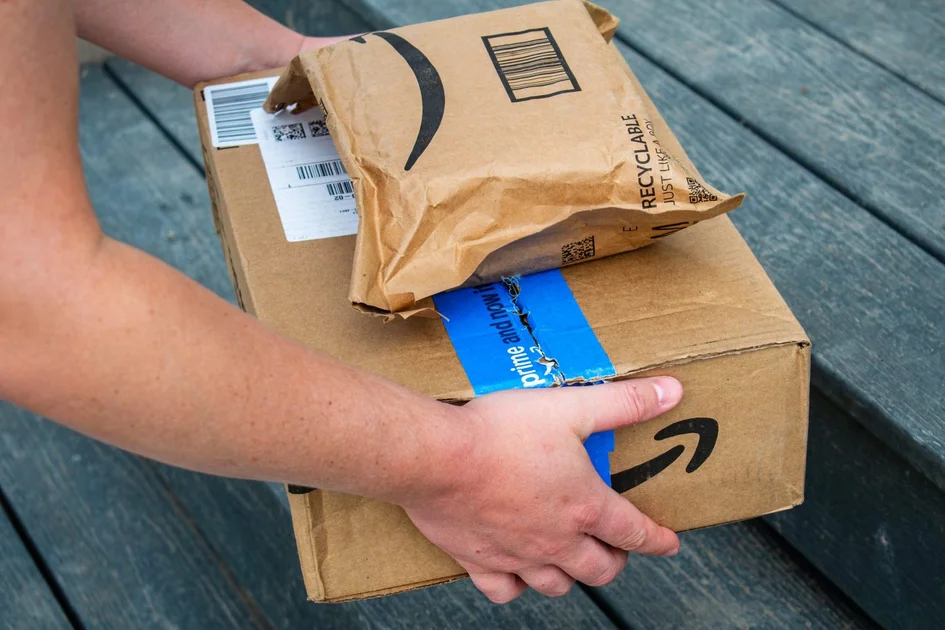
Amazon Prime Settlement Payout: $2.5B Deadline Nears, How to Claim Up to $51
The Clock Is Ticking on a Historic Consumer Refund
Eligible Amazon Prime subscribers have just days left to claim a refund worth up to $51 as part of a landmark $2.5 billion settlement with the Federal Trade Commission (FTC). The deadline is July 27, 2026, and consumers who were automatically refunded in late 2025 need not act, but those who missed that payout must submit a claim by the cutoff.
The settlement stems from allegations that Amazon unlawfully enrolled millions of customers into its Prime subscription program without their clear consent and designed cancellation processes that were intentionally difficult to navigate. While Amazon has denied wrongdoing, the company agreed to a sweeping financial package: $1.5 billion dedicated to consumer refunds and a separate $1 billion civil penalty. The total settlement, announced in September 2025, is one of the largest ever obtained by the FTC for a consumer protection case.
“Amazon and our executives have always followed the law, and this settlement allows us to move forward and focus on innovating for customers,” the company said in a statement at the time. “We work incredibly hard to make it clear and simple for customers to both sign up or cancel their Prime membership.”
Who Is Eligible and How Much Can You Get?
To qualify for a refund, consumers must meet three core criteria:
- Be a U.S. Amazon Prime customer.
- Have enrolled through a “challenged enrollment flow” or attempted to cancel via the online cancellation process between June 23, 2019, and June 23, 2025, but were unable to complete the cancellation.
- Have used no more than three Prime benefits (including Prime Video or Prime Music) in any 12-month period following enrollment.
According to the FTC, the challenged enrollment flows include Amazon’s universal Prime decision page, shipping selection page, single-page checkout, and Prime Video enrollment process. Customers are not required to self-identify which flow they used; Amazon’s internal records will be used to determine eligibility. The settlement covers an estimated 35 million consumers.
Eligible customers can receive up to $51 – a cap that represents a full refund of Prime membership fees paid during the covered period. Payments can be delivered via check, PayPal, or Venmo, as selected on the claim form.
How to File a Claim in Five Minutes
The official settlement website, Amazon Prime Payout Deadline Looms: Up to $51 for Eligible Subscribers by July 27, allows consumers to file a claim quickly. Those who received a claim ID and PIN by postal mail can enter that information for faster processing. Others can file without a claim ID by supplying the email address or phone number associated with their Amazon account.
On the form, customers must select one or more of the following options:
- I was unintentionally enrolled in Prime between June 23, 2019, and June 23, 2025.
- I tried to cancel Prime through the online cancellation process during that period but was unable to complete it.
- None of the above.
Next, applicants must answer five verification questions designed to confirm they are a real person filing a single claim, not a bot or someone attempting multiple fraudulent claims. After selecting a payment method – check, PayPal, or Venmo – the form can be submitted electronically.
“Customers should be cautious about scam websites posing as the settlement portal,” warned a spokesperson for the FTC. The only official site remains the one linked above. For questions, consumers can also email admin@SubscriptionMembershipSettlement.com.
The $2.5 Billion Settlement: What It Covers
The FTC’s lawsuit, first filed in 2023, alleged that Amazon used “dark patterns” – manipulative design interfaces – to trick customers into signing up for Prime and then made canceling the subscription unreasonably complicated. The agency accused the company of using confusing buttons, buried opt-out options, and a multi-step cancellation process that required navigating through multiple screens, including “save offers” that would keep the subscription active.
Amazon agreed to the settlement in September 2025 without admitting liability. The financial package includes:
- A $1.5 billion consumer refund fund.
- A $1 billion civil penalty, the largest ever imposed by the FTC in a single case.
- Injunctive terms requiring Amazon to stop using the challenged enrollment and cancellation practices going forward.
The company must also provide clearer disclosures about Prime’s cost and cancellation terms and simplify the cancellation process to comply with the FTC’s “click to cancel” rule, which is part of a broader regulatory push to make subscription management easier for consumers.
“This settlement sends a clear message that companies cannot trick consumers into subscriptions,” said FTC Chair Lina Khan in a statement when the settlement was announced. “Amazon’s practices harmed millions, and today’s action ensures they will change their ways and compensate victims.”
Amazon, for its part, maintains that its enrollment and cancellation flows were already lawful and that the settlement was a pragmatic decision to avoid prolonged litigation.
What Happens Next for Consumers?
Amazon began sending automatic refunds to eligible customers in November and December 2025. Those who received a check or electronic payment at that time do not need to file a claim. However, many consumers may have missed the automatic process, especially if they changed email addresses, moved, or simply overlooked the notification.
For those who did not get an automatic refund, the July 27 claims deadline is firm. The settlement administrator will review each claim, and payments are expected to be distributed within 90 days after the deadline, provided the claim is approved.
Customers who have questions about their eligibility or payment status can contact the administrator via the settlement website. Claimants should also monitor their email for updates, as the administrator may reach out with additional requests for documentation.
Broader Implications for Digital Subscriptions
This settlement is the latest in a series of regulatory actions aimed at curbing what critics call “subscription trap” practices – where companies make it easy to sign up but difficult to cancel. The FTC’s crackdown has targeted not only Amazon but also other tech giants and subscription services, including streaming platforms, gym memberships, and software providers.
The Amazon case is notable for its sheer scale – both in terms of the number of affected consumers (an estimated 35 million) and the size of the financial penalty. It also highlights a growing trend in consumer protection: regulators are increasingly demanding that companies provide explicit, informed consent before charging recurring fees and that cancellation processes be as simple as enrollment.
As of July 2026, the FTC’s “click to cancel” rule is expected to take effect later this year, requiring that all subscription-based services offer a straightforward cancellation mechanism that matches the ease of signing up. The Amazon settlement serves as an early example of the consequences for non-compliance.
“Companies are on notice,” said consumer advocacy group Public Citizen in a press release following the settlement. “The era of dark patterns and hidden subscriptions is ending. Consumers have the right to control their own spending.”
What This Means for Amazon and Its Prime Subscribers
While the settlement is a financial setback, Amazon remains one of the world’s most valuable companies, and the $2.5 billion figure represents a small fraction of its annual revenue. The bigger impact may be operational: Amazon has already redesigned its Prime enrollment and cancellation flows to be more transparent, a change that could affect the conversion rates for Prime memberships.
For consumers, the settlement is a reminder to review subscription charges regularly. The FTC recommends checking bank statements for recurring fees that were not authorized and reporting any suspicious charges. Experts also advise consumers to take advantage of the simplified cancellation tools that are becoming more common across platforms.
For now, the immediate task is clear: eligible Amazon Prime subscribers should file their claim by July 27 to secure a refund of up to $51. The process takes only a few minutes, and the payout could serve as a small compensation for what many view as years of frustration with a subscription that was never wanted in the first place.
Additional Resources
For consumers looking for more guidance, the following links may be useful:
- Amazon Prime Payout Deadline Looms: Up to $51 for Eligible Subscribers by July 27
- FTC’s official page on the Amazon Prime settlement
In a broader context, similar settlements and regulatory actions are reshaping the subscription economy. News about other consumer protection developments, such as Massive Power Disconnect in Northern Virginia Raises Grid Stability Fears, may also interest readers tracking regulatory oversight in critical industries.
The Bottom Line
The July 27 deadline is the last chance for millions of Amazon Prime subscribers to claim a refund from the FTC settlement. With a straightforward online application and payments up to $51, the process is designed to be accessible. As the era of dark patterns fades under regulatory pressure, this case stands as a landmark in consumer rights – and a cautionary tale for any company that prioritizes profit over transparency.
Comments