
The BBC Brings Amanda Riley’s Cancer Scam to UK Audiences
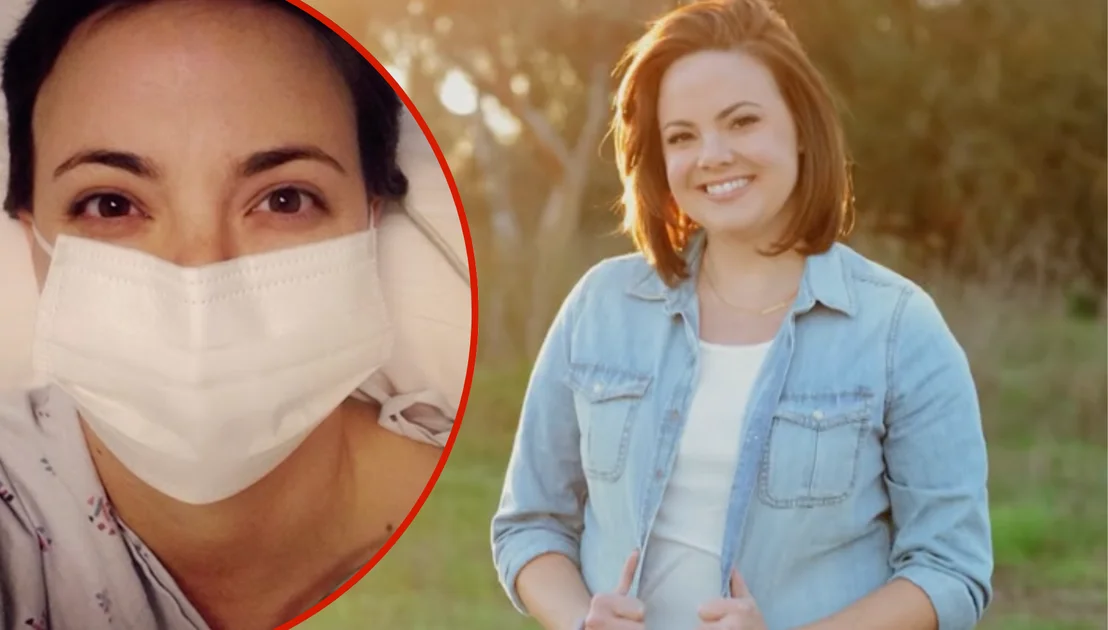
A four-part BBC documentary series titled Scamanda has landed on BBC Two this week, reintroducing British viewers to one of the most audacious fraud cases in recent memory. The series, which premiered on June 16, 2026, tells the story of Amanda Riley, a California mother who convinced friends, family, and her church community that she was battling terminal Hodgkin’s lymphoma for nearly a decade — while secretly pocketing donations meant for her medical care.
According to sources, Riley swindled an estimated $100,000 from more than 300 donors. The documentary, adapted from the hit podcast of the same name hosted by Charlie Webster, traces how Riley fabricated medical documents, shaved her head to mimic chemotherapy, and attended cancer support groups to gather details that made her story more believable. The BBC has acquired the rights to air the series as part of its summer schedule, filling slots amid major sporting events.
What the Documentary Reveals
The Scamanda documentary, originally produced by ABC News Studios and aired on Hulu last year, is structured into four parts labeled Stage 1 through Stage 4 — a creative choice that has drawn criticism for being insensitive. Each episode runs approximately 40 minutes, and reviews note that the series suffers from pacing issues typical of the true-crime genre, leaning heavily on silent reenactments of hospital corridors, typing blog posts, and fundraiser events.
Despite these criticisms, the core story remains gripping. Amanda Riley first began publicly documenting her supposed cancer journey in 2012 through a blog called Lymphoma Can Suck It. She described grueling chemotherapy cycles, relapses, and periods of remission. Her online presence grew rapidly, and soon her church — a megachurch in California — rallied behind her, organizing fundraisers, offering gifts, and showering her with financial support.
Investigators later discovered that Riley would occasionally visit emergency rooms with minor complaints, allowing her to photograph IV drips and medical equipment, which she then used as proof of treatment. She forged doctors’ letters and even fabricated medical records. The documentary includes interviews with victims and investigators, prioritizing their voices over the scammer, a choice that podcast creator Charlie Webster said was intentional.
The Stakes of the Scam: Trust, Faith, and Financial Ruin
Amanda Riley’s deception is more than just a story of personal greed; it represents a profound betrayal of trust. Her victims included not only strangers moved by her story but also close friends, fellow church members, and even her stepdaughter’s biological mother, Aletta Bernal. Aletta appears in the documentary alleging that Amanda and her husband Cory worked together to paint her as an unstable parent during a lengthy custody battle, even though Cory had been married to Aletta for more than four years before leaving her for Amanda.
The stakes are high for the BBC’s UK audience, who are encountering this story for the first time. The documentary arrives at a moment when public fascination with scams — from Elizabeth Holmes to Bernie Madoff — shows no sign of waning. But unlike corporate fraud, Riley’s crime preyed on the goodwill of everyday people, many of whom gave cash that can never be traced or recovered.
How the Deception Worked
Riley’s method was meticulous. She shaved her head to simulate hair loss from chemotherapy, fabricated medical reports, and used social media to craft a narrative of resilience. She attended genuine cancer support groups, absorbing real patients’ experiences to make her own story more convincing. When doubts arose, Riley doubled down, claiming she had experienced “miracles” that kept her alive. According to investigators, her blog and social media posts were designed to elicit maximum emotional response — and maximum donations.
The podcast that inspired the documentary, hosted by Charlie Webster, began investigating Riley’s claims after being tipped off by a suspicious listener. Webster’s team uncovered inconsistencies in Riley’s story, eventually leading to a federal investigation. In 2024, Riley was convicted and sentenced to prison, where she remains today.
The Mystery of Cory Riley: Victim or Accomplice?
One of the most perplexing figures in the Scamanda story is Cory Riley, Amanda’s husband. Throughout Amanda’s fake cancer journey, Cory stood by her side. He attended church fundraisers, spoke publicly about her illness, and remained loyal even after investigators began questioning her claims. He has never been charged with a crime, and the documentary leaves viewers wondering: was Cory another victim of Amanda’s lies, or did he know more than he ever admitted?
Cory’s Background and Role
Cory Riley met Amanda when she was a teenager working as a dance teacher for his stepdaughter, Jaymie, who was recovering from cancer. Despite an age gap of about 12 years, Cory left his wife, Aletta Bernal, to pursue a relationship with Amanda. The couple eventually married, and Amanda became stepmother to Cory’s daughter Jessa.
In the documentary, former mentor Jack York describes Cory as a child who was “always having a smile.” When Cory reconnected with York as an adult, he seemed completely “enamoured” with Amanda and did not mention his previous marriage. Aletta Bernal claims that Amanda and Cory worked together to portray her as an unstable parent during the custody battle, even though she was the one who had cared for Jaymie during her cancer treatment.
The Prison Phone Call
A recent development adds new layers to the mystery. In a 25-minute phone call from federal prison, Riley told podcaster Charlie Webster that she and Cory were divorcing. Riley claimed that much of the money she raised through her fake cancer story was actually spent on Cory’s divorce from Aletta and child custody costs for Jessa. During the call, Riley became extremely emotional, sobbing and saying she was sorry and wanted to take accountability. Webster noted that Riley still claims to have health problems, though she remains unsure whether that is true.
This revelation has sparked new questions about Cory’s involvement. If Riley’s claim is accurate, it suggests that Cory may have benefited financially from the scam, even if he was not directly involved in the deception. The documentary does not provide a definitive answer, leaving viewers to draw their own conclusions.
Lessons from the Scamanda Case: What This Changes
The Scamanda documentary is part of a broader trend in true-crime programming that focuses on scammers who exploit empathy. From the Netflix series Inventing Anna to the documentary The Tinder Swindler, audiences have shown a voracious appetite for stories about people who manipulate trust for personal gain. But Riley’s case is distinct in its sheer duration and intimate scale.
The Cost of Blind Faith
One of the most unsettling aspects of the story is how easily Riley exploited the goodwill of a religious community. Her church, eager to support a member in need, never questioned her claims until it was too late. The documentary serves as a cautionary tale about the dangers of blind faith — whether in a person, an institution, or a story that seems too perfect to be true.
Legal and Social Implications
Riley’s conviction has set a precedent for prosecuting charity fraud, but experts note that many such scams go unreported or unpunished because victims are often too embarrassed to come forward. The case has also prompted discussions about the need for better oversight of online fundraising platforms, where donors rarely verify the claims of recipients.
For the UK audience, the BBC’s airing of Scamanda may spark similar scrutiny of charitable giving and the role of churches in vetting requests for help. As extreme heat warnings scorch parts of the Northern Hemisphere and World Cup matches draw global attention, the Riley story offers a sobering reminder that not all cries for help are genuine.
Where Amanda Riley Is Now
Amanda Riley remains incarcerated in federal prison. Her projected release date is several years away, but the exact timeline depends on her behavior and any potential parole hearings. Charlie Webster continues to correspond with her, and the prison phone call revealed that Riley is still struggling to accept full responsibility for her actions. In conversations with Webster, she has sometimes deflected blame to Cory or minimized the extent of the harm she caused.
The documentary ends with a sobering note: the true amount of money stolen may never be known, because much of it was given in cash. Hundreds of victims are left without restitution, and many still grapple with the emotional aftermath of having been deceived by someone they considered a friend or inspiration.
Broader Implications: Trust in the Age of Digital Storytelling
The Scamanda case raises uncomfortable questions about how easily online narratives can be manipulated. In an era where personal stories are shared widely on social media, blogs, and crowdfunding platforms, the line between authenticity and performance can blur. Riley understood this instinctively, using every tool at her disposal — from emotional blog posts to doctored medical records — to create a persona that people desperately wanted to believe.
A Cautionary Tale for Fundraisers
Nonprofits and faith-based organizations are now reexamining their protocols for validating claims of need. Some have introduced mandatory verification processes for anyone requesting financial assistance, though critics argue that such measures can slow down help for genuine cases. The Scamanda documentary may accelerate these changes, especially in the UK where the BBC’s reach ensures millions of viewers will encounter the story.
A Warning for Donors
For ordinary donors, the lesson is both simple and difficult: verify before giving. Experts recommend asking for medical documentation directly from healthcare providers, using only reputable crowdfunding platforms that offer fraud protection, and avoiding cash donations. Riley’s scam succeeded in part because she created an emotional bond with her supporters, making them feel that questioning her would be an act of betrayal.
As one reviewer for The Guardian put it, watching Scamanda is a morally complex experience: “Wouldn’t life be easier without a conscience? … My God, what a life. And above all, think of the money you could make.” That kind of envy — darkly comic but also deeply unsettling — is what makes the true-crime genre so compelling, and so troubling.
Final Thoughts
The BBC’s Scamanda is not a perfect documentary — it is too long, too reliant on reenactments, and occasionally guilty of exploiting the very tragedy it seeks to expose. But the story it tells is vital. Amanda Riley’s decade-long charade is a stark reminder that empathy can be weaponized, and that the internet, for all its promise of connection, also offers a stage for the most cynical performances.
As the world’s attention shifts between World Cup football clashes and extreme weather crises, the Scamanda documentary invites a moment of reflection: who are we trusting, and why? In an age of information overload, the answer is not always comforting.
For more on issues of public trust and surveillance, see our report on: Trump Cancels DNI Hearings, Ties Intel Pick to Voter ID and Surveillance Law. And for updates on the World Cup 2026, including the latest VAR controversy, read: World Cup 2026 Marred by VAR Controversy as FIFA Admits Technical Glitch in Qatar Draw.
Comments