
AI 'Cat in the Hat' Hoax Forces Irish Police to Issue Urgent Warning
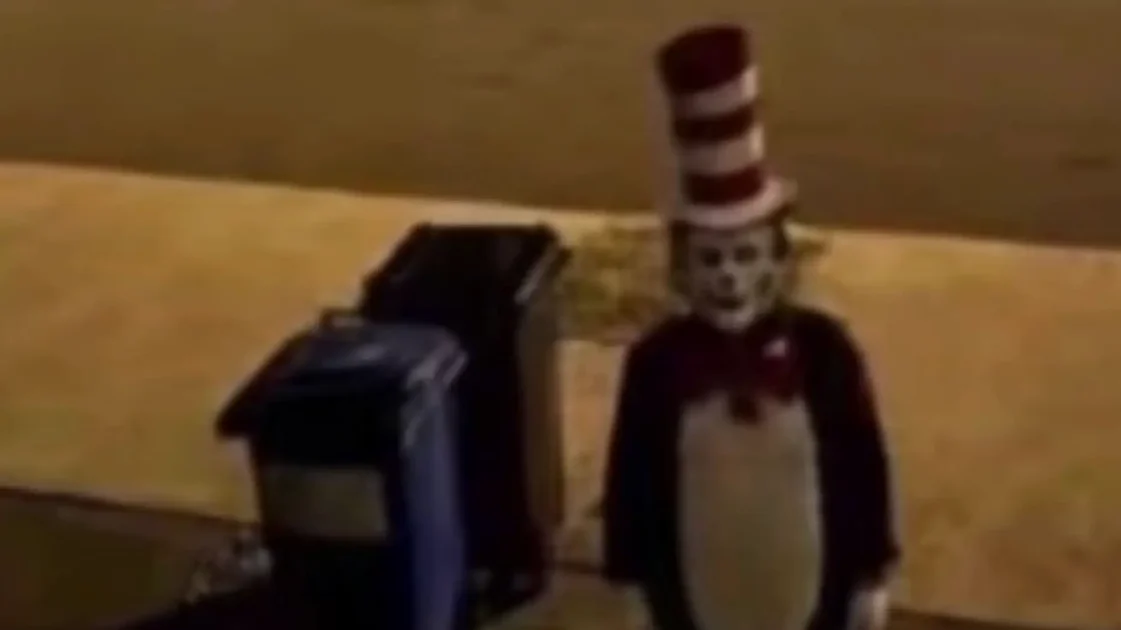
Police in Ireland have been forced to issue a public statement after a series of alarming images appeared to show a life-sized figure resembling Dr. Seuss' Cat in the Hat lurking in residential neighborhoods. The viral photographs, which first emerged in Limerick, sparked widespread panic before authorities confirmed they were entirely fabricated using artificial intelligence.
Gardaí (Irish police) have now debunked the images, stating that the eerie black-and-white feline was never actually present in any of the locations depicted. The hoax, which quickly spread to other towns including Cork, Tipperary, Wexford, and Dublin, has raised fresh concerns about the potential for AI-generated content to cause real-world disruption and distress.
Police Confirm AI Origins of Viral Images
In a strongly-worded statement, a spokesperson for Wexford Garda addressed the viral phenomenon directly: "In an unusual turn of events we are hearing a lot about an illusive Dr Seuss character doing the rounds online, apparently causing havoc in neighbourhoods and towns across the country." The spokesperson added, "Fortunately, we can rule out the issue, which is essentially an AI prompt that places the character into images/videos of familiar places. To be clear, the Cat in the Hat was not in your driveway while you were out and he is not currently hiding out in Curracloe."
The images first appeared on Facebook, although initial rumors suggested they originated on Snapchat. They were accompanied by false claims that police were actively investigating the character's appearances. The fabricated photographs showed the cat-like figure standing in driveways, wandering streets at night, and peering from shadows, generating significant alarm among residents and social media users.
Within days, similar AI-generated images surfaced in multiple Irish locations, including Glanmire in Cork, Cahir in Tipperary, Curracloe in Wexford, and Broadford Park in Dublin. The rapid spread of the images across different regions amplified the hysteria, leading to increased public concern and ultimately prompting the official police response.
The Growing Threat of AI Hoaxes and Disinformation
The 'Cat in the Hat' incident is not an isolated case. It highlights a troubling trend where AI-generated images and videos are increasingly used to create realistic but entirely fake scenarios, often with the intent to deceive or cause panic. This particular hoax, while seemingly harmless in retrospect, had the potential to waste significant police resources as officers could have been called to investigate reported sightings.
This incident follows a similar occurrence in the UK last year, when a viral prank involving a fake "AI homeless man" led to a string of emergency calls. Dorset Police revealed they received a call from one "extremely concerned parent" who was fooled by their daughter into believing there was a man in their family home while she was alone. Officers discovered the entire situation was an AI-generated prank.
A spokesperson for Dorset Police urged the public: "If you receive a message and pictures similar to the above antics from friends or family, please attempt to check it isn't a prank before dialling 999." This advice underscores a growing challenge for law enforcement agencies worldwide: distinguishing between genuine threats and AI-generated fabrications.
The Mechanics Behind the Hoax
The 'Cat in the Hat' images were created using AI prompt tools that allow users to insert fictional characters or objects into real-world settings. By using familiar local landmarks and residential streets as backdrops, the prankster made the images appear uncannily real, which is why they triggered such a strong reaction.
AI image generators have become increasingly sophisticated in recent years, making it difficult for the average person to spot fakes. The technology can replicate lighting, shadows, and perspective with remarkable accuracy, blurring the line between reality and fiction. In this case, the character's exaggerated features—oversized hat, striped tail, and exaggerated facial expressions—may have seemed outlandish, but the realistic setting made many people believe it was a person in a costume.
The Stakes: Public Panic, Misinformation, and Trust in Media
The proliferation of AI-generated content poses significant risks to public safety and trust. When people believe fake images are real, it can lead to unnecessary fear, wasted emergency resources, and even vigilante actions. In the age of social media, misinformation spreads faster than ever, and law enforcement agencies are often left to pick up the pieces.
In Ireland, the Gardaí have had to reassure residents that no such character was ever present, but the psychological impact of such hoaxes can linger. Some residents in Limerick reported feeling uneasy even after the images were debunked, underscoring the emotional toll of viral misinformation.
Moreover, repeated hoaxes can desensitize the public to real threats. If people become accustomed to dismissing alarming images as fake, they may fail to report genuine emergencies. This "cry wolf" effect is a serious concern for authorities who rely on public vigilance to prevent crime and ensure safety.
The Role of Social Media Platforms
Social media platforms, where the images were first shared, have come under increased scrutiny for their role in spreading AI-generated misinformation. While Facebook, Snapchat, and Instagram have policies against deceptive content, enforcement remains challenging. The speed at which content goes viral often outpaces fact-checking efforts.
In response, some platforms have begun labeling AI-generated content more prominently, but such measures are not universally applied. The 'Cat in the Hat' images, for instance, were shared without any AI labels, making them indistinguishable from genuine photographs at a glance.
Experts argue that platforms need to invest more in automated detection tools and work closely with law enforcement to quickly debunk viral hoaxes. Without such measures, incidents like this are likely to become more frequent, causing unnecessary panic and eroding public trust in online information.
The Broader Implications: AI, Regulation, and What Comes Next
This incident is a stark reminder of the dual-edged nature of AI technology. While AI offers immense potential for creativity and productivity, it also provides malicious actors with powerful tools to deceive and disrupt. The 'Cat in the Hat' hoax may seem humorous on the surface, but it underscores a pressing need for regulatory frameworks to govern AI use.
Governments worldwide are grappling with how to regulate artificial intelligence. The European Union has already introduced the AI Act, which aims to impose strict transparency requirements on AI systems, including mandatory labeling of AI-generated content. Ireland, as an EU member, will be subject to these rules, which could help mitigate future incidents.
However, regulation alone is not sufficient. Public awareness and digital literacy are equally important. People must learn to critically evaluate images and videos, especially those that depict extraordinary events. Fact-checking websites and official police channels can serve as valuable resources for verifying suspicious content.
What This Means for Law Enforcement
For police forces, the rise of AI-generated hoaxes represents a new operational challenge. They must balance the need to respond to public concerns with the responsibility to avoid wasting resources on fabricated threats. Some departments have established dedicated units to monitor online misinformation, while others rely on public announcements like the one issued by Wexford Gardaí.
Going forward, law enforcement agencies are likely to develop more sophisticated protocols for verifying the authenticity of images before launching investigations. They may also collaborate with AI experts to identify telltale signs of generation, such as inconsistencies in pixel patterns or unnatural facial geometry.
The 'Cat in the Hat' incident also serves as a cautionary tale for the public: before sharing alarming images, take a moment to verify their authenticity. A quick reverse-image search or a check of official police social media accounts can help prevent the spread of misinformation. As one Garda spokesperson succinctly put it, the character was not in your driveway, and he is not hiding out in Curracloe.
In the meantime, the public is advised to remain vigilant but also skeptical. The digital world is increasingly blurred with reality, and the onus is on each individual to avoid becoming a pawn in someone else's prank. Police have urged anyone who receives such images to check official sources before reacting, a simple step that could prevent widespread panic and unnecessary emergency calls.
Comments