
Six Major Product Launches Expected at 'Surprise and Shine' Event
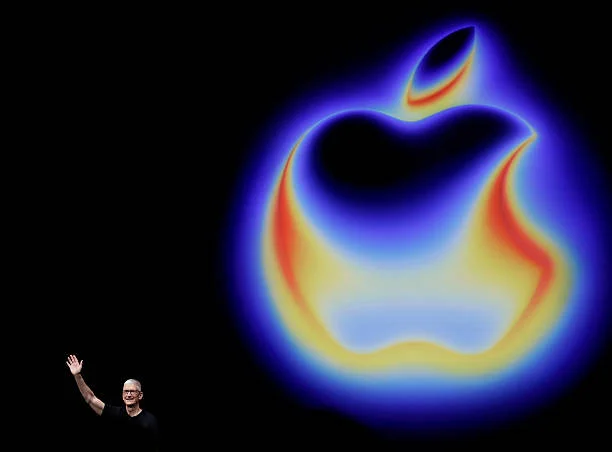
Apple's biggest event of the year is set for Wednesday, September 9, at 10:00 a.m. PDT, with the company teasing a "huge launch" under the banner "Surprise and Shine." New CEO John Ternus, who formally took over from Tim Cook this week, will preside over his first major product keynote. According to aggregated reports, Apple is expected to unveil as many as six new flagship products, headlined by its first-ever foldable iPhone and the next generation of Pro models.
The iPhone Lineup: 18 Pro, Pro Max, and the Foldable Ultra
The event will center on three new smartphones. The iPhone 18 Pro and iPhone 18 Pro Max will lead the traditional lineup, featuring the next-generation A20 Pro chip, substantial camera upgrades, and a refined design with a smaller Dynamic Island. However, the most anticipated reveal is the foldable iPhone Ultra, Apple's entry into a form factor that has been rumored for years. The device is expected to feature a book-style foldable design, but its most significant story may not be the hardware itself—it is how quickly Apple can manufacture it.
Apple Watch and AirPods Round Out Core Announcements
Beyond the iPhones, Apple is expected to refresh its wearable ecosystem. The Apple Watch Ultra 4 will introduce new health sensors and design updates, while the Apple Watch Series 12 will offer an upgraded S-class chip and an always-on heart monitor. Alongside these, AirPods 5 will be launched in two variants (base and active noise cancellation) with a possible new chip. The focus on heath and audio aligns with Apple's broader push to deepen integration across its ecosystem, but supplies chain concerns linger over the headline product.
Production Bottlenecks Cast a Shadow on Foldable Launch
A report from Nikkei Asia, published just days before the event, has introduced a note of caution. According to the report, late-August output of the foldable iPhone was running at only a few hundred units per day—a figure that is dramatically lower than what is typically needed for a mass-market flagship launch. The report indicates that an extra trial run reportedly pushed commercial production back by weeks, raising questions about whether Apple can meet initial demand.
The Challenge of Hinge Performance and Yield Rates
The reported bottlenecks involve complex engineering challenges, specifically around hinge performance, surface flatness, and manufacturing yield. These are classic first-generation production problems for any foldable device, but they are magnified for Apple, which has built its reputation on delivering polished, mass-produced hardware. While these issues are not necessarily indicative of weak consumer demand, they do constrain how many units can be physically shipped in the weeks following the announcement.
Why a Quick Sellout Won't Prove Demand
A key nuance highlighted by financial analysts is that a rapid sellout of the initial batch should not be read as evidence of strong consumer demand. If only a few thousand units are available at launch, they will almost certainly vanish regardless of how many customers truly want the device. Without explicit supply disclosure from Apple—which is historically rare—a sellout will provide little signal about the product's long-term viability. This makes the production ramp speed the first critical financial variable to watch after the event.
The Stakes for New CEO John Ternus and the iPhone Franchise
This event takes place during a period of significant transition for Apple. Tim Cook stepped down as CEO after 15 years, with hardware engineering chief John Ternus taking the helm. Cook will remain as Executive Chair, providing continuity, but Ternus now faces the challenge of delivering a flawless keynote and a credible roadmap from stage to store. His first memo to employees expressed excitement about "a huge launch" next week, underscoring the pressure on this debut.
The Financial Impact of a Limited Foldable First Batch
The iPhone franchise remains Apple's financial engine. In the June quarter, iPhone generated $54.25 billion, representing 49.6% of total revenue of $109.4 billion, with iPhone sales growing 22% year-over-year. A new premium foldable could lift average selling prices, but limited initial supply will cap that benefit in the near term. Apple shares closed at $319.97 on September 4, down 2.51%, reflecting some investor wariness as the event approached. With a trailing P/E ratio of 36.68, the market is pricing in flawless execution, leaving little room for a misstep on supply.
Pre-Order Timing and Historic Parallels
In a separate operational development, reports suggest that pre-orders for the new iPhones will begin on Saturday, September 12, at midnight Pacific Time—rather than the typical Friday morning slot. This unusual shift is reportedly due to the 25th anniversary of the 9/11 terrorist attacks falling on that Friday. Similar to 2015, Apple has chosen to move the start time to avoid a conflict with the national day of remembrance. This logistical detail, while minor, could affect the early sales narrative if the foldable sells out instantly.
The Broader Market Context: AI, Desktops, and Ecosystem Resilience
The September event is only part of a larger story of Apple's efforts to navigate a competitive landscape shaped by artificial intelligence. Reports this week also indicated that Apple is struggling to meet demand for its desktop Macs, particularly as AI workloads surge. This has pushed the company to prioritize production of high-end machines, even as it prepares for mobile launches. The interplay between these product lines underscores a strategic tension: Apple needs to invest in the AI-enabled future without losing its core iPhone base.
A New Era of Leadership and Product Risk
John Ternus's ascension represents a generational shift in Apple's leadership. Known primarily as a hardware expert, Ternus has championed projects like the foldable iPhone and the Apple Silicon transition, but he also inherits a company that is increasingly reliant on a mature smartphone market. The launch of the iPhone Ultra is a bet on a new form factor to reignite growth, but the production issues raise flags about whether the company has overextended its supply chain.
This event also comes at a time when tech competitors are rushing to dominate the foldable market. If Apple's early batches are minuscule, competitors could gain a window to consolidate their lead. Yet, Apple's brand loyalty and ecosystem lock-in remain powerful advantages, and even a low-volume launch could sustain buzz for months, provided the product delivers on its promise.
What the 'Surprise and Shine' Event Changes for the Industry
The "Surprise and Shine" keynote is likely to be remembered as a pivotal moment in Apple's history—not just for the products but for the new CEO. The tagline suggests a positive focus on the future, but the undercurrent of supply chain anxiety means that Apple will need to present a credible plan to scale the foldable output. The event will also clarify whether the company is willing to accept a limited launch similar to the first-generation Apple Watch or the HomePod, which were both constrained by component shortages and production challenges.
From a wider perspective, Apple's entry into foldables signals the maturation of a category that, until now, has largely belonged to Samsung and other Android manufacturers. Despite years of skepticism about durability and utility, foldable devices are expected to reach nearly 25 million units shipped in 2026, according to industry forecasts. If Apple can deliver a high-quality device, even in small numbers, it could legitimize the category for a mainstream audience. Conversely, if production continues to falter, it could set back the momentum of foldables in the premium segment.
The Consumer Takeaway: Readying for a Long Game
For consumers, the immediate takeaway is to temper expectations about immediate availability. The iPhone Ultra, if unveiled, will likely debut with significant stock constraints, making it a collector's item rather than a mass-market product. Meanwhile, the iPhone 18 Pro models are expected to be the volume drivers for the holiday season, ensuring that Apple still has a strong revenue story to tell shareholders in the coming months.
As reporters and analysts gather under the streaming banner on Wednesday, the industry will be watching not just what Apple unveils, but how Ternus handles the inevitable questions about production timelines. The answer will set the tone for his tenure as CEO. If he can convey confidence in the supply chain, the stock may stabilize; if he hedges, the market's reaction could be swift.
A Schedule of Events: What to Watch For
At press time, Apple's event page confirms the time and stream but does not name the products. Beyond the iPhones and wearables, rumors suggest possible updates to the HomePad (a 7-inch touch screen home hub), HomePod mini 2, and Apple TV 4K. In a surprising twist, no new Macs are expected for September, with reports indicating October is more likely for M6 MacBook Pro, M6 iMac, and an OLED iPad mini. These delayed product cycles point to a staggered approach that spreads hardware milestones across the fall, giving the new CEO a steady cadence of good news.
In the broader context of tech coverage, Apple's move into AI features in iOS 27—including the newly revealed "iPhone Handoff" capability—will likely be a centerpiece of the fall software releases. The event will presumably detail how these software features integrate with the new hardware, particularly the A20 Pro chip that promises on-device AI advancements. [Nintendo Lifts Switch 2 Bans After Outage, But Legit Players Still Fear Recurrence](Latest in tech news elsewhere shows how companies are grappling with infrastructure issues). Meanwhile, the economic backdrop remains volatile, as seen in other sectors like [Ad Fraud's New Frontier: AI Chatbots, Car Screens, and Amazon's $20B Auction Case](where data and scale dominate).
Apple's challenge is unique: it must blend innovation with operational excellence. The foldable iPhone could either signal the start of a new product cycle or become a cautionary tale about overreach. The next few weeks—from pre-order to unboxing—will tell the story. For now, investors, enthusiasts, and competitors will all be tuned into Cupertino on September 9 at 10 a.m. PDT to see how Apple's "Surprise" handles the spotlight.
Conclusion: A Test of Execution, Not Vision
In summary, the "Surprise and Shine" event is less about whether Apple can dream—the foldable iPhone is proof of that—and more about whether it can deliver. With production reportedly limited to a few hundred units a day in late August, the gap between ambition and output is real. John Ternus's first keynote as CEO will therefore be a practical test of his ability to manage supply chains, communicate constraints, and maintain the company's premium brand narrative.
For the industry at large, a successful foldable launch could redefine what consumers expect from smartphones, while a stutter could embolden rivals. Either way, September 9, 2026, will be a date with implications far beyond a single product reveal. As the old saying goes, you only get one chance to make a first impression—and for the new Apple CEO, that impression starts with how well he can sell a product that, so far, only exists in a limited number of prototypes and a very constrained production line.
This week's top stories also highlighted the impact of major leadership changes beyond Apple. In a separate note, [Pete Golding's Ole Miss Era Begins After Kiffin's Exit](shows how transitional periods can define success), and in sports tech, [Tommy Edman Powers Dodgers Past Nationals With Ohtani Out](demonstrates resilience). But for the tech world, all eyes are on the glass campus in Cupertino. If Apple can deliver on its promises, the foldable iPhone will be a landmark, not just for the company but for the entire mobile industry.
Comments