Who Is Zohran Mamdani and Why Does He Matter on Homelessness?
Zohran Kwame Mamdani is a Democratic Socialist New York State Assemblymember representing the 36th district in Astoria, Queens. A rising progressive voice in New York politics, Mamdani has become one of the most outspoken advocates for addressing the root causes of homelessness in New York City. As a candidate for New York City Mayor in the 2025 race, his platform on housing and homelessness has drawn significant attention from both supporters and critics.
Mamdani's background as a housing organizer before entering elected office gives him a distinctive perspective on the crisis. He has consistently framed homelessness not as a personal failing but as a systemic consequence of failed housing policy, wage stagnation, and inadequate mental health infrastructure. His candidacy represents a broader shift in how progressive politicians are approaching one of New York's most persistent and visible challenges.
The Scale of New York City's Homelessness Crisis
Numbers That Demand Attention
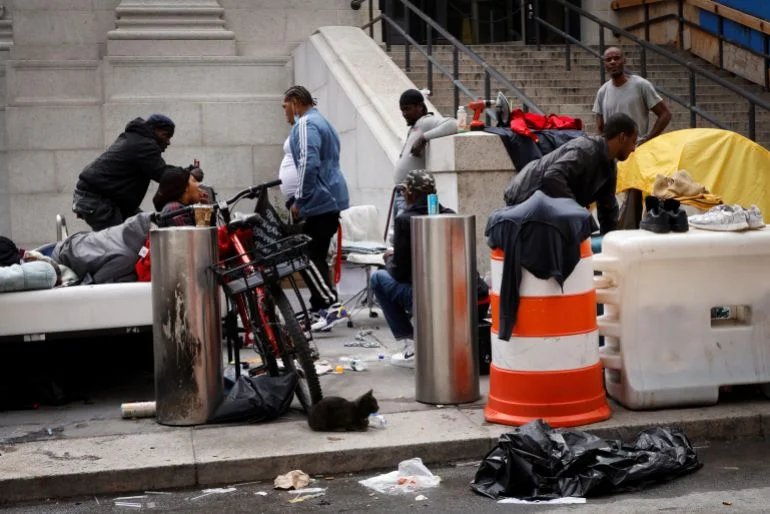
New York City faces one of the most severe homelessness crises in the United States. The city's shelter system regularly houses over 60,000 individuals on any given night, with tens of thousands more living unsheltered on streets, in subway stations, and in public spaces. Families with children make up a significant portion of the shelter population, highlighting the multi-generational nature of the problem.
The COVID-19 pandemic exacerbated existing vulnerabilities, and despite various mayoral initiatives under Eric Adams, advocates have consistently argued that enforcement-first approaches — including subway sweeps and encampment removals — do little to address the underlying drivers of homelessness.
Root Causes Mamdani Highlights
Mamdani has been vocal about the structural factors fueling the crisis. These include a severe shortage of affordable housing, with hundreds of thousands of New Yorkers spending more than half their income on rent. He also points to cuts in mental health and substance abuse treatment services, the erosion of rent stabilization protections, and inadequate wages that leave working people one emergency away from housing instability. His analysis distinguishes between treating symptoms — through shelters and police enforcement — and addressing causes through housing production and tenant protections.
Mamdani's Policy Vision for Tackling Homelessness
A Housing-First Philosophy
At the core of Mamdani's approach is a housing-first philosophy: the belief that stable, permanent housing is a prerequisite for addressing other life challenges, including mental illness and addiction, not the other way around. This stands in contrast to conditional shelter models that require sobriety or compliance with programs before granting access to housing.
Mamdani has championed the expansion of truly affordable housing through social housing models, inspired in part by systems in Vienna and Singapore. His proposals include significantly scaling up city-owned housing developments and reforming land use policies that currently favor luxury development over affordable construction.
Tenant Protections and Rent Reform
Mamdani has been a strong legislative advocate for tenants, supporting the Good Cause Eviction legislation in Albany, which would protect renters from arbitrary eviction and excessive rent increases. He argues that preventing homelessness is more cost-effective and humane than addressing it after it occurs. By keeping people housed in the first place, the city can reduce the enormous financial burden that homelessness places on public services, emergency rooms, and the shelter system.
Mental Health and Outreach Services
Recognizing that a significant portion of New York's unsheltered population struggles with serious mental illness, Mamdani supports robust investment in community-based mental health services, mobile outreach teams, and supportive housing that combines residential stability with wraparound services. He has been critical of approaches that rely on involuntary psychiatric commitments without corresponding investments in voluntary treatment infrastructure.
Political Context and the 2025 Mayoral Race
A Progressive Challenge to the Status Quo
Mamdani's mayoral campaign positions him as a clear alternative to the incumbents and centrist candidates who have favored law enforcement responses to homelessness. His campaign has energized progressive New Yorkers who feel that years of shelter expansion and policing have failed to reduce the visibility or severity of the crisis.
His opponents argue that his proposals are too ambitious and insufficiently funded, while his supporters counter that the current system's enormous costs — the city spends billions annually on its shelter system — justify a bold reinvestment in prevention and permanent housing.
Broader National Implications
The debate in New York reflects a national reckoning with homelessness policy following the Supreme Court's Grants Pass v. Johnson decision, which gave municipalities greater latitude to enforce anti-camping laws. Mamdani's response has been to double down on the argument that criminalization without housing solutions is both ineffective and cruel, positioning New York as a potential laboratory for a different approach.
Conclusion: A Defining Issue for New York's Next Chapter
Homelessness in New York City is not a new problem, but it is one that increasingly defines the city's identity and political future. Zohran Mamdani has placed himself at the center of this debate by offering a coherent, structurally grounded alternative to the enforcement-heavy models of recent administrations. Whether his vision gains traction with voters in 2025 will reveal much about where New York stands on its most urgent social crisis — and what kind of city it aspires to become.
Comments