
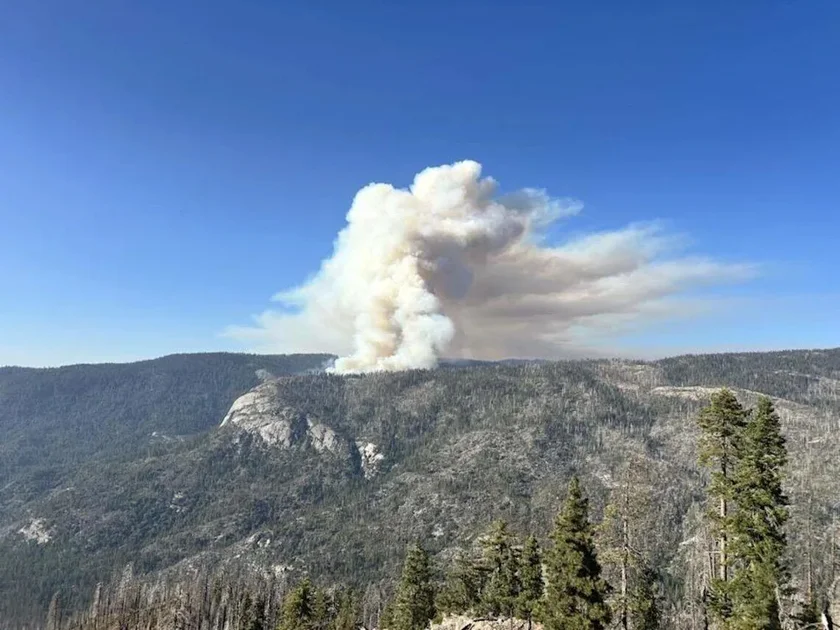
Yosemite Helicopter Crash Kills Two Pilots Battling Dome Fire
Two pilots were killed Sunday when their helicopter crashed while conducting water drops on the Dome Fire in Yosemite National Park, officials said. The crash occurred shortly before 2 p.m. near Yosemite Village as the aircraft performed a water bucket operation, according to Benjamin Cossel, spokesperson for California Complex Incident Management Team 3, which is overseeing the fire response.
The pilots were the only people on board the Eurocopter AS332L1 Super Puma, which was owned by contractor Precision. The remains of the pilots were recovered Monday afternoon and transported in an honor escort to the Mariposa County coroner’s office. One pilot has been identified as Greg King, 56, a former Alaska Division of Forestry & Fire Protection aviator. The second pilot has not been publicly identified pending family notification.
Investigation and Response
The National Transportation Safety Board is leading the investigation, with the Federal Aviation Administration also looking into the crash. Investigators plan to travel to the scene when fire conditions allow. The cause of the crash is not yet known.
“This is extremely challenging on everybody here,” Cossel said. “The wildland firefighting world is an extremely small community. We all know each other... So this is devastating to the wildland firefighting community, and we’re all doing our best to get through it right now.”
Precision, the Oregon-based aviation company that operated the helicopter, expressed grief in a social media statement. “It is with unimaginable sadness and broken hearts that we share the loss of two beloved members of our team,” the company wrote. “We are devastated by this loss and are struggling to find the words.”
The Alaska Division of Forestry & Fire Protection, where King previously worked, also released a statement. “Greg was a dedicated aviator and a dear friend to many of us. We are mourning both pilots who bravely supported firefighting efforts, and our hearts go out to their families,” the agency said. King’s loved ones currently work for the division.
Dome Fire Continues to Burn
The Dome Fire started September 15 near Wawona, California, and has burned approximately 3,200 acres (about 4.7 square miles). As of Monday, it was 15% contained. Roughly 580 personnel are fighting the fire, according to the National Interagency Fire Center.
The crash site is southeast of Ostrander Lake, about 7 miles northeast of Wawona and 9 miles south of El Capitan. The fire is burning in steep, rugged terrain, complicating suppression efforts.
Rising Risks for Firefighters
The tragedy underscores the dangers faced by wildland firefighters, particularly those in aviation roles. At least 14 people have died while helping with wildfires in the U.S. this year, the most since 2022 when 25 deaths were recorded. In August, two helicopter pilots died fighting a fire in Utah, and another pilot crashed into a reservoir in Colorado.
“This is something that every single one of us goes out on the line every day,” Cossel said. “We know this, but that doesn’t make this any less difficult.”
Mental health support has been mobilized for fire personnel. “To support all of our crews that are out here, we have begun the process of ordering critical incidents, stress management teams to help people who are having a particularly hard time,” Cossel added.
Broader Implications
The crash highlights the increasing risks associated with wildfire suppression as fires grow more frequent and intense across the West. Aviation assets are critical for attacking fires in remote, inaccessible terrain, but they also expose pilots to significant hazards, including rapidly changing conditions, smoke, and mechanical failure.
The Dome Fire is one of numerous blazes burning across California this season. While the cause of the crash remains under investigation, the incident serves as a stark reminder of the human cost of firefighting. As the climate crisis fuels longer and more severe fire seasons, the safety of those on the front lines remains a pressing concern.
A procession of firefighters lined the route as the pilots’ remains were transported Monday, a solemn tribute to two lives lost in service. “Firefighters from the Dome Fire and the surrounding area were on hand to pay their respects and say goodbye to members of the Wildland Firefighting community,” Cossel said.
As the investigation continues and the Dome Fire still burns, the wildland fire community mourns the loss of two aviators who died trying to protect others.
Comments