
Hull City Owner Threatens Legal Action, Insists Wrexham Belongs in Playoffs
The English Football League Championship playoff final at Wembley on Saturday descended into chaos before a single ball was kicked, as Hull City owner Acun Ilicali launched an explosive tirade against the EFL and demanded that Wrexham be reinstated into the postseason. Ilicali’s outburst came hours before his side faced Middlesbrough with a Premier League place at stake, and it threatens to drag the league into a legal battle that could reshape the outcome of the entire promotion race.
Speaking outside Wembley Stadium, Ilicali told BBC Radio Humberside that his legal team had already prepared to take the EFL to court should Hull lose the final. “Our legal team says that we have to go for action, that’s for sure,” he said. “So we have no doubt about it. Here, all we want is justice. If justice is broken, nobody will enjoy football.”
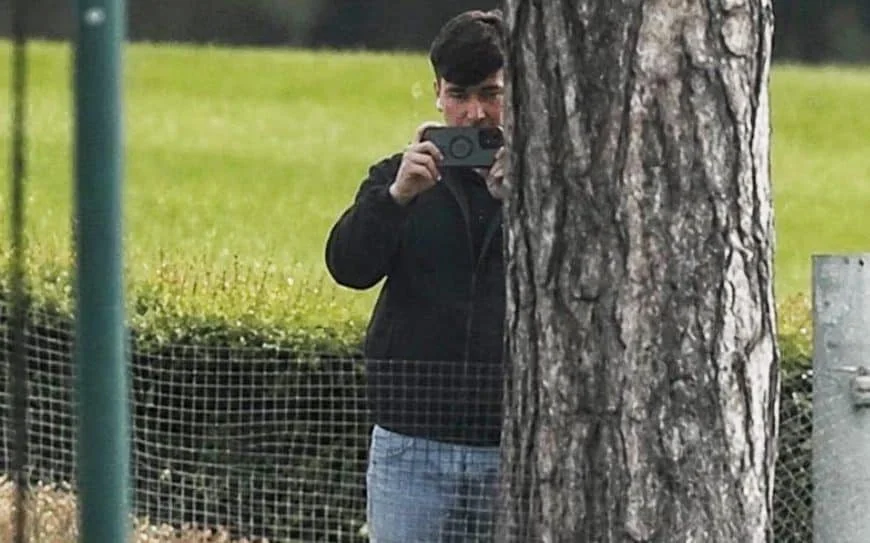
The extraordinary intervention stems from the ‘Spygate’ scandal that has rocked English soccer over the past fortnight. Southampton admitted to illicitly filming the training sessions of multiple rivals — including Middlesbrough — and were subsequently expelled from the playoffs by an independent disciplinary panel. The EFL reinstated Middlesbrough, who had originally lost to Southampton in the semifinals, but Ilicali argued that the punishment should have been applied before the semifinals took place, allowing Wrexham — the highest-ranked team outside the playoff spots — to take Southampton’s place.
“If this action was so big that a team is out of the playoffs, why didn’t they let them not play the semifinal, investigate and take Southampton out and put Wrexham in?” Ilicali asked. “Why is Wrexham out now? Put Wrexham in and continue the competition. For me, an eliminated team being put back — also our lawyers say this and that’s their opinion too — is an incredibly wrong decision.”
The Spygate Scandal: How Southampton’s Expulsion Rewrote the Promotion Race
A Breach of Trust That Shook the EFL
The controversy began when Southampton were charged by the EFL with multiple breaches of regulations related to the unauthorised filming of opponents’ training sessions. The club admitted to conducting surveillance on three rival teams this season, including Middlesbrough in the buildup to the playoff semifinal first leg. The scale of the breach prompted the EFL to take the unprecedented step of expelling the Saints from the playoffs entirely — a decision upheld on appeal by an independent arbitration panel earlier this week.
As well as removal from the postseason, Southampton were handed a four-point deduction for the 2026/27 Championship season. But the timing of the punishment became the central grievance. The EFL allowed the semifinals to proceed as scheduled, with Southampton defeating Middlesbrough over two legs. Only after the Saints had secured their place at Wembley were they thrown out, opening the door for Boro to be reinstated — a decision Ilicali described as “unbelievable.”
Why Wrexham? The Case for the Red Dragons
Wrexham finished the regular season in seventh place, just one point adrift of the playoff spots. Under normal circumstances, a seventh-place finish means watching the postseason from home. But Ilicali’s argument hinges on the idea that if the EFL had intervened earlier, Wrexham would have been the natural beneficiary. Had Southampton been disqualified before the semifinals, Wrexham — as the next best team — would have entered a four-team playoff alongside Hull, Middlesbrough, and the other semifinalist.
Ilicali’s demand has thrust the Wrexham name — already famous worldwide thanks to Hollywood co-owners Ryan Reynolds and Rob McElhenney — back into the global spotlight. The club’s rapid rise from the National League to the brink of the Premier League has been one of football’s most compelling stories, but this latest episode places them at the centre of a legal and ethical storm that has left the EFL facing accusations of procedural failure.
Legal Action Looming: What a Hull City Lawsuit Could Mean
The Threat of Courtroom Drama
Ilicali made clear that his legal threat was not idle. “Our legal team says that we have to go for action, that’s for sure,” he reiterated. “Decisions are discussable from what I understand from our lawyers, very discussable.” The Turkish businessman had deliberately remained silent during the buildup to the match to avoid distracting his players, but with kickoff imminent, he felt free to speak out.
A legal challenge from Hull would potentially seek to invalidate the result of the playoff final if Middlesbrough emerge victorious, arguing that Boro’s reinstatement was procedurally flawed. Such a case could throw the promotion process into months of uncertainty and potentially force the EFL to revisit the entire playoff structure. Legal experts consulted by Sports Illustrated suggest that Hull’s case would face significant hurdles, as the EFL’s regulations grant the league broad discretion in disciplinary matters. However, the threat alone adds another layer of unpredictability to an already extraordinary saga.
Wider Implications for EFL Governance
The Spygate scandal and its fallout have exposed serious questions about the EFL’s decision-making processes. Critics argue that the league should have paused the playoffs immediately after the spying allegations emerged, allowing for a swift investigation before any matches were played. By allowing the semifinals to go ahead and then expelling Southampton after the fact, the EFL created a situation where a team that had already lost on the pitch — Middlesbrough — was handed a second chance, while a team that had never played a playoff match — Wrexham — was left out.
Ilicali’s comments echo a broader frustration among Championship clubs about the transparency and consistency of EFL disciplinary procedures. The outcome of any legal action could set a precedent for how future off-field breaches are handled in high-stakes promotion battles. For now, the playoff final itself remains the immediate focus, but the threat of litigation means the final whistle at Wembley may not be the last word.
Wrexham’s World Cup Windfall: Two Players Head to Summer Tournament
Financial Boost from International Call-Ups
Amid the Spygate drama, Wrexham received welcome news on a different front. The club is set to receive a significant financial windfall after two players were called up to represent their nations at the 2026 World Cup. Left-back Liberato Cacace has been named in New Zealand’s 26-man squad, while captain Dom Hyam will travel with Scotland. Both players are expected to depart for their respective camps within days, with the tournament running from June 11 to July 19.
New Zealand have been drawn in Group G alongside Iran, Egypt and Belgium, while Scotland face Haiti, Morocco and Brazil in Group C. The expanded 48-team tournament features a round of 32 for the first time, meaning third-placed teams in each group can also advance. This increases the likelihood that both players could spend several weeks at the tournament, boosting the compensation Wrexham receives.
How the FIFA Club Benefits Programme Works
FIFA’s Club Benefits Programme will distribute a total of $355 million to clubs worldwide for releasing players for World Cup qualifying matches and the final tournament. Each club receives a fixed daily rate multiplied by the number of days the player spends on international duty — from 10 days before the first match until the day after the player’s final appearance. Unused substitutes earn the same rate as starters, so even limited game time translates into a full payout.
Wrexham will benefit not only from Cacace and Hyam’s participation but also from the involvement of five other players who previously played for the club during the two-year qualifying phase. Danny Ward, Nathan Broadhead, Kieffer Moore (all Wales), Issa Kabore (Burkina Faso), and Bailey Cadamarteri (Jamaica) all spent time at Wrexham during the qualification period, entitling the club to a share of the compensation pool. While the exact figure depends on how deep each nation progresses, estimates suggest the total windfall could exceed £500,000 — a substantial sum for a Championship club balancing ambitious growth with financial sustainability.
Josh Windass Jokes About England Snub As Teammates Prepare for World Cup
A Humorous Reaction from Wrexham’s Star Playmaker
Not every Wrexham player will be heading to the World Cup. Josh Windass, the club’s top scorer and Player of the Season after netting 16 goals and providing 7 assists in all competitions, was overlooked by England manager Thomas Tuchel. The 32-year-old attacking midfielder took to Instagram with a lighthearted post, sharing an edited image of himself wearing England’s No. 10 shirt and captioning it: “Disappointed to say the least,” followed by a crying face emoji and the England flag. He added, “Good luck, lads.”
Windass joined Wrexham on a free transfer from Sheffield Wednesday last summer and quickly established himself as a fan favourite. However, earning a first senior England call-up at 32 was always a long shot. Only six players have been selected for England while playing in the second division since 2000, and just three of those were outfield players — the last being Wilfried Zaha in 2012. Tuchel’s squad is packed with Premier League talent, leaving no room for the veteran playmaker despite his outstanding domestic form.
Dennis Lawrence: Wrexham’s Only Previous World Cup Player
Wrexham’s history with the World Cup is thin but notable. The only previous player to feature at the tournament while under contract with the club was Dennis Lawrence, who represented Trinidad & Tobago at the 2006 edition in Germany. Cacace and Hyam will now join that exclusive list. Their participation also underscores the growing international profile of Wrexham, which has rapidly transformed from a National League side into a club with genuine global reach.
The Broader Picture: What This Means for Wrexham and the EFL
A Club at a Crossroads
Wrexham’s involvement in the Spygate legal drama — even as an unwilling participant — highlights how far the club has come. Five years ago, they were playing non-league football in front of a few thousand fans. Now they are being name-checked by rival club owners in multimillion-pound legal disputes at Wembley. The Red Dragons have become a fixture in headlines worldwide, and their on-field progress has been matched by off-field intrigue.
If Hull’s legal action succeeds and the playoffs are restructured, Wrexham could find themselves with an unexpected shot at the Premier League. If not, they will regroup under manager Phil Parkinson and aim for automatic promotion next season. Either way, the club’s trajectory remains upward, buoyed by financial backing, smart recruitment, and the star power of their Hollywood owners. The World Cup windfall provides further evidence of a club operating on multiple levels — building for the future while capitalizing on present opportunities.
EFL Reforms on the Horizon?
The Spygate scandal has also sparked calls for wider reform of EFL disciplinary protocols. The league has faced criticism for its ad hoc handling of the case, with owners and fans alike questioning why no emergency hearing was convened before the semifinals. Moving forward, the EFL may need to establish clearer guidelines for how off-field misconduct is addressed in real time, particularly when promotion to the Premier League — the most lucrative promotion in world football — is at stake.
For now, the football world watches Wembley with bated breath. The Hull City owner has promised legal action if his team loses, and the EFL could face a lawsuit that tests the very foundations of its authority. Meanwhile, Wrexham fans are left to wonder what might have been — and whether the storm around Spygate might yet open a door for their club to reach English football’s promised land.
This article was updated on May 24, 2026, with the latest developments from the Championship playoff final and World Cup squad announcements.
Comments