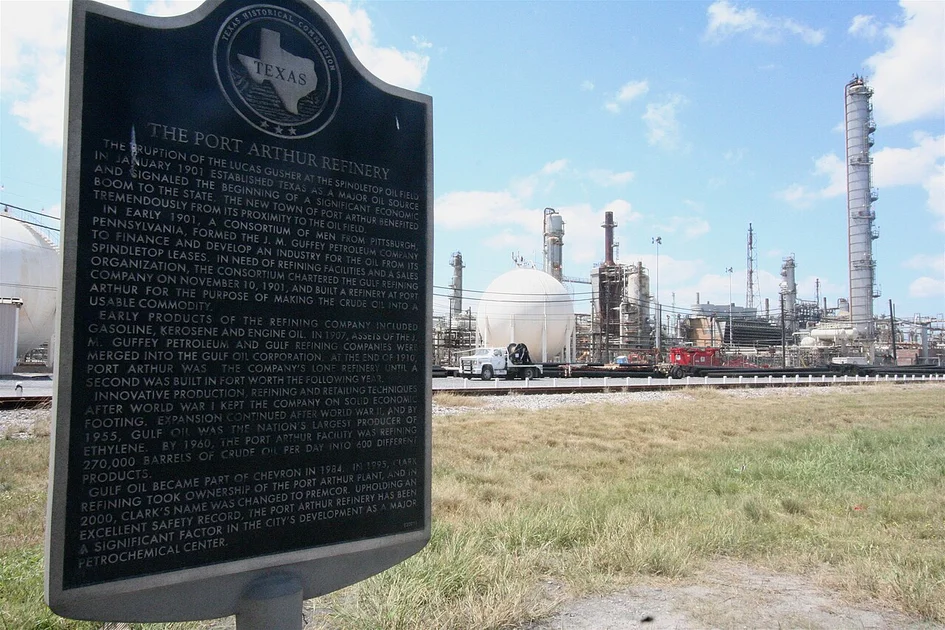
Valero Port Arthur Refinery Back in the Spotlight
The Valero Port Arthur refinery, one of the largest and most strategically significant oil processing facilities in the United States, is once again drawing national attention. Located in Port Arthur, Texas — a city long regarded as the heart of American refining capacity — the facility has become a focal point in ongoing discussions about energy infrastructure, environmental compliance, and the economic future of Gulf Coast communities.
Recent reports indicate that Valero Energy Corporation has been navigating a complex mix of operational pressures and regulatory developments at the Port Arthur site. The refinery, which has a crude oil processing capacity of approximately 395,000 barrels per day, ranks among the top five largest refineries in the country. Any significant change in its status carries immediate ripple effects across fuel supply chains, regional employment, and energy markets.
Key Developments at the Facility
Industry observers have noted increased scrutiny of emissions data and compliance records at the Port Arthur refinery, with environmental groups and state regulators paying close attention to air quality metrics in the surrounding Jefferson County area. Port Arthur has historically faced some of the highest pollution burdens of any community in Texas, making any refinery-related developments politically and socially sensitive.
At the same time, Valero has publicly reaffirmed its commitment to maintaining the refinery as a long-term operational asset, even as the broader energy sector faces pressure to adapt to decarbonization goals. Company statements have emphasized investments in operational efficiency and emissions reduction technology, though critics argue these steps fall short of what is needed for the communities most affected.
Why the Valero Port Arthur Refinery Matters
Understanding the stakes around this facility requires a look at its outsized role in U.S. energy infrastructure. Port Arthur, Texas, is home to three major refineries — those operated by Valero, TotalEnergies, and Motiva — making it arguably the most concentrated refining hub in the Western Hemisphere. Valero's operation alone employs thousands of workers directly and supports tens of thousands of additional jobs across the supply chain.
Economic and Environmental Stakes
The economic significance of the Valero Port Arthur refinery cannot be overstated. Refining operations in the region generate billions of dollars in annual revenue and contribute substantially to both local and state tax bases. For many Port Arthur residents, refinery jobs represent generational employment and a pathway to middle-class stability in an otherwise economically challenged region.
However, the environmental dimension is equally pressing. Port Arthur communities — many of which are predominantly Black and low-income — have long raised concerns about the health impacts of living near heavy industrial infrastructure. Respiratory illness rates, cancer incidences, and air quality violations have drawn the attention of environmental justice advocates for decades. The current spotlight on Valero Port Arthur operations is intensifying that longstanding debate.
This tension between economic dependency and environmental accountability is not unique to Texas. Across the United States, refinery towns are grappling with similar questions as federal energy policy evolves and climate commitments tighten — a dynamic that also intersects with broader geopolitical pressures on global oil supply, including ongoing tensions in the Middle East that continue to influence crude oil pricing and refinery throughput decisions.
Broader Implications for U.S. Refining and Energy Transition
The Valero Port Arthur situation is emblematic of a wider inflection point facing the American refining industry. On one hand, domestic refining capacity remains essential to U.S. energy security, particularly in a period of volatile international supply. On the other hand, the long-term trajectory of fossil fuel demand — shaped by electric vehicle adoption, renewable energy expansion, and stricter emissions standards — is forcing companies like Valero to justify major capital expenditures on legacy infrastructure.
Valero has explored low-carbon investments, including renewable diesel production at other facilities, but critics argue that commitments to traditional refining at Port Arthur signal a preference for short-term profitability over structural adaptation. Regulatory bodies at both the state and federal level are watching closely, with potential enforcement actions or compliance mandates that could reshape operations in the years ahead.
For the residents of Port Arthur and the broader Gulf Coast refining corridor, the outcome of this scrutiny will have tangible consequences — affecting jobs, public health, and community investment for years to come. As the energy transition unfolds unevenly across the country, facilities like the Valero Port Arthur refinery serve as a barometer for how the United States balances industrial heritage with the demands of a changing climate and a more accountable regulatory environment.
Comments