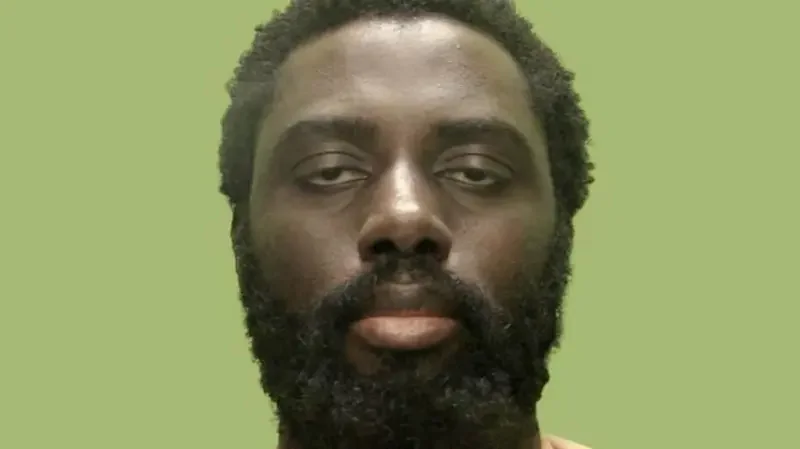
Who Is Valdo Calocane?
Valdo Calocane is a Nottingham-based man who became the subject of widespread public and legal attention following a series of deadly attacks in the city of Nottingham, England, on 13 June 2023. Born in Guinea-Bissau, Calocane had been living in the United Kingdom for a number of years prior to the attacks. He studied at the University of Nottingham, where he briefly enrolled as a student before leaving the institution.
Background and Prior Police Contact
Before the events of June 2023, Valdo Calocane had come into contact with both law enforcement and mental health services on multiple occasions. Reports indicate that he had been flagged as a potential risk and had received input from psychiatric services. He had been subject to a number of police interactions, including incidents involving violence and erratic behaviour. These prior contacts became a focal point of criticism following the attacks, with questions raised about whether more proactive intervention could have prevented the tragedy.
The Nottingham Attacks of June 2023
In the early hours of 13 June 2023, Valdo Calocane carried out a series of attacks in and around the city of Nottingham that resulted in three deaths and several serious injuries.
The Victims
The three people killed were Barnaby Webber, Grace O'Malley-Kumar, and Ian Coates. Barnaby Webber and Grace O'Malley-Kumar were both 19-year-old University of Nottingham students who were stabbed on Ilkeston Road in the early morning. Ian Coates, a 65-year-old school caretaker, was also fatally stabbed. Following the murders, Calocane stole Ian Coates' van and used it to deliberately drive into pedestrians near Nottingham city centre, injuring three more individuals. The attacks sent shockwaves through the local community and drew national attention.
The Nature of the Attacks
The sequence of violence unfolded over a relatively short period of time and across multiple locations within Nottingham. The use of a vehicle as a weapon, following the stabbings, indicated a prolonged and deliberate course of action. Emergency services responded rapidly, and Calocane was eventually apprehended by police at the scene.
Legal Proceedings and Sentencing
Valdo Calocane was charged with the murders of the three victims and the attempted murders of those injured by the van. His case proceeded through the English legal system and attracted considerable public scrutiny due to the nature of the offences and the legal outcome.
Guilty Plea and Mental Health Findings
In January 2024, Calocane pleaded guilty to three counts of manslaughter and three counts of attempted grievous bodily harm. Crucially, the manslaughter pleas were accepted on the grounds of diminished responsibility, rather than murder charges, following psychiatric assessments that determined he had been suffering from paranoid schizophrenia at the time of the attacks. The Crown Prosecution Service (CPS) accepted these pleas after medical evidence from multiple psychiatric experts concluded that Calocane met the legal threshold for diminished responsibility under the Homicide Act 1957.
The Sentence and Public Reaction
In January 2024, Valdo Calocane was sentenced to an indefinite hospital order under Section 45A of the Mental Health Act 1983. This type of sentence, sometimes referred to as a hybrid order, means that Calocane is held in a secure psychiatric facility but could theoretically be transferred to prison if his mental health condition is deemed to have sufficiently improved. The sentence sparked significant controversy among the victims' families, who publicly expressed their anguish and argued that the outcome did not reflect the severity of the crimes committed. The families called for a review of both the CPS decision and the broader handling of Calocane's case by mental health and policing services.
Aftermath and Ongoing Reviews
Following the sentencing, several formal reviews were launched to examine the actions of agencies that had prior contact with Valdo Calocane. The Independent Office for Police Conduct (IOPC) announced an investigation into the conduct of Nottinghamshire Police in their previous dealings with him. Additionally, NHS trusts involved in his psychiatric care faced scrutiny over whether appropriate steps had been taken to manage the risk he posed.
Policy and Legal Debate
The case of Valdo Calocane reignited a broader national debate about the intersection of serious mental illness and criminal responsibility in English law. Campaigners and legal experts discussed whether the current legal framework adequately addresses cases where individuals with severe psychiatric conditions commit violent offences. The victims' families, supported by some politicians and public figures, called for legislative reform to ensure that sentences in such cases better reflect the harm caused to victims and provide stronger public safety guarantees.
Comments