
USA Opens World Cup Against China Amid Star-Studded Roster
The 2026 FIBA Women's Basketball World Cup tips off in Berlin on Friday, Sept. 4, with the United States aiming for a fifth consecutive gold medal. The tournament, running through Sept. 13, features 16 teams competing across group play and a knockout stage. The U.S., coached by Kara Lawson, enters with a 66-game winning streak in Olympic and World Cup competition — a run dating back to a 2006 semifinal loss to Russia.
Team USA's group-stage schedule begins with a marquee matchup against China on Sept. 4 (8:15 a.m. ET), followed by games against Italy on Sept. 6 and Czechia on Sept. 7. All 36 tournament games will stream live on HBO Max, while TNT and TruTV will air 17 games, including every U.S. contest. Quarterfinals take place Sept. 10, semifinals Sept. 12, and the medal games Sept. 13.
New Faces Lead a Transitional Roster
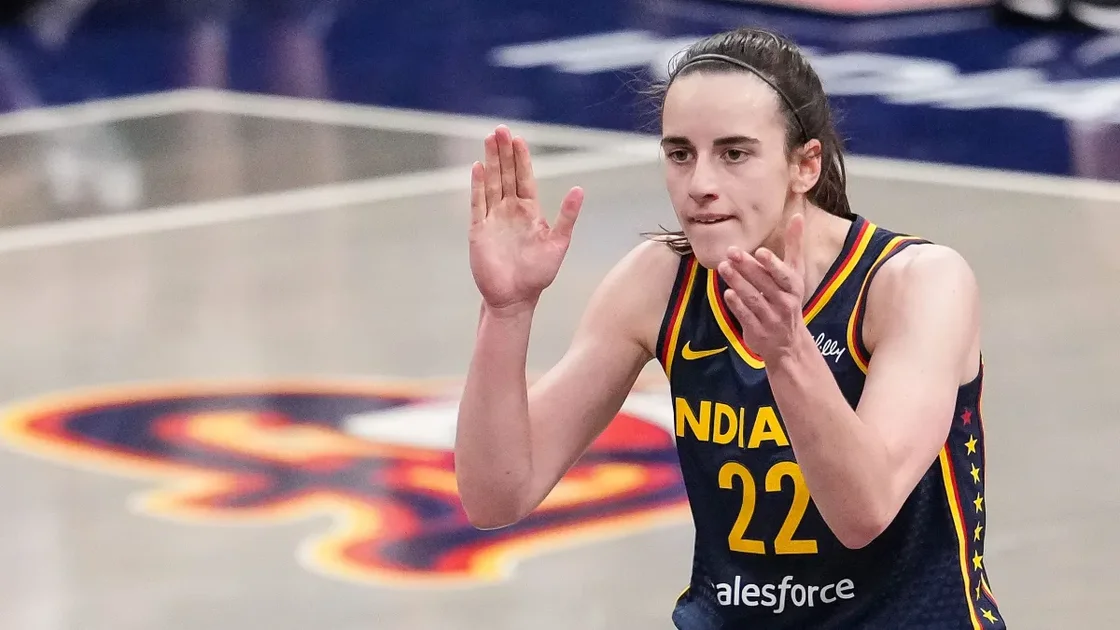
The 12-player U.S. roster marks a generational shift. Caitlin Clark (Indiana Fever), Paige Bueckers (Dallas Wings), and Angel Reese (Atlanta Dream) are making their major international tournament debuts, joining young stars Aliyah Boston, Rhyne Howard, Kiki Iriafen, and Sonia Citron. Veterans Breanna Stewart, Napheesa Collier, Kahleah Copper, Chelsea Gray, and Jackie Young provide experience and leadership.
Notably absent are A'ja Wilson and Kelsey Plum, who withdrew for health reasons. Wilson, the reigning Olympic and WNBA MVP, has not been fully healthy for some time, with concerns that the World Cup's grueling schedule could worsen her condition. Plum is dealing with a lower leg and calf injury that will also sideline her for the rest of the WNBA season. They were replaced by Washington Mystics teammates Iriafen and Citron. Brittney Griner, Sabrina Ionescu, Jewell Loyd, and Alyssa Thomas are also not on the team.
Why a Two-Week WNBA Hiatus Signals Bigger Stakes
The World Cup has forced the WNBA to pause its regular season from Sept. 1 through Sept. 16 — an unprecedented break designed to accommodate the tournament. This hiatus is a direct result of the league's expanded footprint and the growing number of international players who will represent their countries in Berlin. The break, while disruptive, underscores how critical the global game has become to the WNBA's identity.
The United States is not the only powerhouse with WNBA connections. France, led by Golden State Valkyries forward Gabby Williams, boasts eight WNBA players on its roster, including notable talents like Marine Johannes and Janelle Salaun. Spain, Belgium, and Australia also feature several WNBA regulars, making the tournament a de facto showcase of the league's global reach.
The Stakes for Team USA
For the U.S., the pressure is immense. The team has not lost a World Cup or Olympic game in 20 years, and anything less than gold would be a historic upset. The new-look roster — with half the players making their global championship debuts — carries the weight of that streak while integrating young stars into the national team system.
China, the U.S.'s opening opponent, has an 8-0 all-time record against the Americans, but has shown steady improvement under coach Zheng Wei. Italy, meanwhile, gave the U.S. a scare in their last World Cup meeting, and Czechia has pushed the Americans in past tournaments. The group stage will test the team's chemistry early.
A Changing of the Guard and the Road to Los Angeles 2028
The 2026 World Cup is more than a standalone title; it's a critical stepping stone toward the 2028 Los Angeles Olympics. With veterans like Wilson and Plum sidelined, and legends such as Diana Taurasi retired, the tournament gives younger players invaluable experience on the international stage. Clark, Bueckers, and Reese — all former college superstars — are now carrying the flag for the next generation.
Breanna Stewart, now 32, remains the anchor. The 2018 World Cup MVP and 2021 Olympic MVP provides the leadership that this transitional roster needs. Her presence ensures that the U.S. still has a proven winner on the court, even as younger players find their footing.
Broader Implications for Women's Basketball
This World Cup also highlights the rapid globalization of women's basketball. The WNBA's decision to pause its season for the tournament reflects the league's acknowledgment that international competition is vital for growth. More international players are entering the league, and national teams are becoming more competitive.
The tournament in Berlin is expected to draw significant global attention, with broadcast deals expanding and streaming making games more accessible than ever. For the U.S., a fifth straight title would cement its dominance, but the margin for error is shrinking. Teams like France, Australia, and Spain are closing the gap, and the U.S.'s youth movement will be tested under the bright lights of a World Cup stage.
As the basketball world converges on Berlin, the question is no longer whether the U.S. will win, but how this new generation will handle the pressure. The answers will shape women's basketball for years to come.
Comments