The Nature of the Conflict: Setting the Record Straight
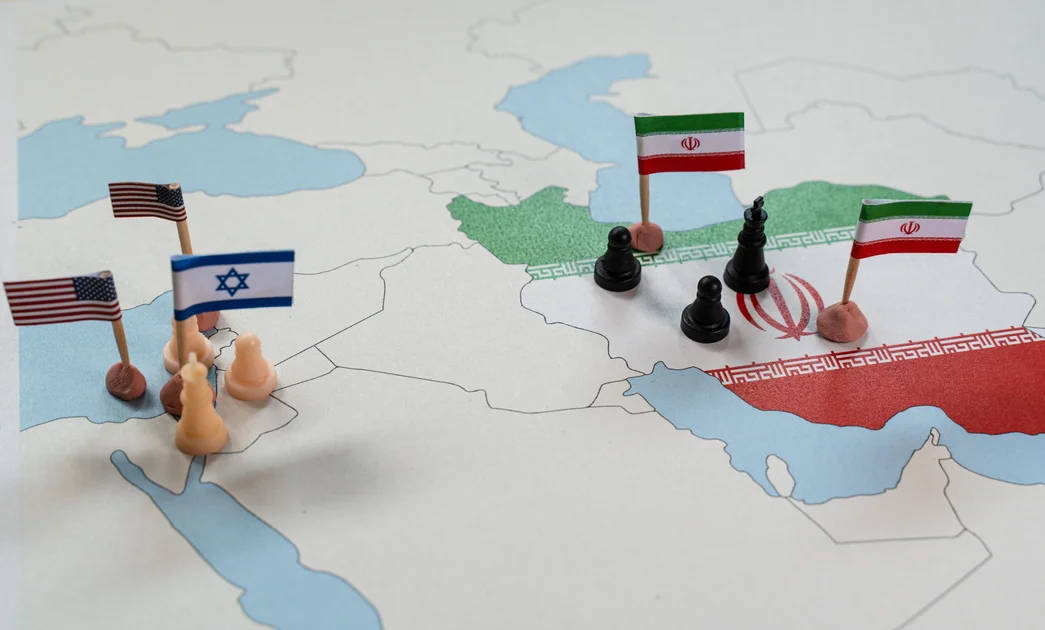
Describing any military engagement in the Middle East as entirely "unprovoked" requires careful scrutiny of a decades-long geopolitical struggle involving competing narratives, proxy conflicts, and deeply rooted regional rivalries. The relationship between the United States, Israel, and Iran has been marked by sustained tensions that stretch back to the 1979 Islamic Revolution, when Iran severed diplomatic ties with both nations and positioned itself as their ideological adversary.
Any military strike or coordinated action involving the US and Israel against Iranian targets must be understood within this layered historical context. While critics and Iranian officials frequently characterize such strikes as unprovoked aggression, US and Israeli officials consistently frame their actions as defensive responses to Iranian-backed threats, nuclear ambitions, and proxy warfare conducted through groups such as Hezbollah, Hamas, and the Houthi movement in Yemen.
A History of Shadow Wars and Escalating Tensions
For years, Israel and Iran have been engaged in what analysts describe as a "shadow war" — a covert campaign involving assassinations of Iranian nuclear scientists, cyberattacks such as the Stuxnet worm attributed to the US and Israel, and Israeli strikes on Iranian-linked military infrastructure in Syria. Iran, in turn, has funded and armed militant groups across the region that regularly target Israeli civilians and US military personnel stationed in the Middle East.
This pattern of action and retaliation makes the label "unprovoked" deeply contested. Each side points to the other's prior actions as justification for their own escalatory measures.
Israeli Strikes on Iranian Territory: What Happened
In April and October 2024, a significant threshold was crossed when Israel conducted direct missile and drone strikes on Iranian soil — a historic escalation in their long-running conflict. These strikes followed Iran's own unprecedented direct attack on Israel in April 2024, during which Iran launched over 300 drones and missiles toward Israeli territory, most of which were intercepted by Israel's missile defense systems with support from the United States, the United Kingdom, and Jordan.
Israel's retaliatory strikes targeted military infrastructure near Isfahan, an area associated with Iranian air defense systems and, critically, located near nuclear facilities. The strikes were described by Israeli officials as measured and targeted, designed to send a strategic message rather than trigger full-scale war.
The US Role: Support, Coordination, and Independent Action
The United States has maintained a complex position throughout these escalations. While Washington provided active military assistance in intercepting Iranian projectiles during the April 2024 attack, US officials also urged Israel to exercise restraint in its response and were reportedly not directly involved in Israel's retaliatory strikes on Iranian territory.
However, the US has carried out its own independent strikes on Iranian-backed targets. Following a January 2024 drone attack by Iran-linked militants that killed three American soldiers at a base in Jordan known as Tower 22, the Biden administration launched extensive retaliatory strikes on over 85 targets across Iraq and Syria linked to the Islamic Revolutionary Guard Corps (IRGC) and affiliated militias.
Critics of US policy argue that sustained American military presence in the region and unconditional support for Israel constitute a form of provocation. Supporters counter that US forces are present at the invitation of regional partners and that Iranian proxy attacks on American troops demand a firm response.
The International Response and the Question of Legitimacy
The question of whether these military actions constitute unprovoked aggression is not merely semantic — it carries significant implications under international law. Article 51 of the United Nations Charter permits the use of force in self-defense, but the definition of what constitutes a legitimate defensive action remains hotly debated.
Western nations, including members of NATO, have largely supported Israel's right to self-defense while calling for de-escalation. Russia and China, alongside much of the Global South, have condemned Israeli and US strikes as disproportionate and destabilizing, calling for immediate ceasefires and diplomatic solutions.
The Arab League and neighboring states have expressed alarm over the potential for a broader regional war, particularly one that could draw in additional actors and disrupt oil supply routes through the Persian Gulf.
Iran's Domestic Narrative and Strategic Calculations
Within Iran, the government has used external military pressure to reinforce nationalist sentiment and justify its continued investment in missile technology, drone warfare, and nuclear enrichment. Supreme Leader Ali Khamenei and President Masoud Pezeshkian have portrayed the country as a victim of Western imperialism and Zionist aggression, framing military preparedness as an existential necessity.
Analysts note that Iran's strategy involves carefully calibrated escalation — projecting strength while avoiding actions that could trigger a devastating conventional war it is not equipped to win against the combined military power of Israel and the United States.
Toward De-escalation: Diplomacy in a Time of Crisis
Despite the rhetoric and military exchanges, back-channel diplomatic efforts have continued. The United States has maintained indirect communications with Iran through intermediaries such as Qatar and Oman, particularly regarding Iran's nuclear program. European powers — France, Germany, and the United Kingdom — have pushed for a return to negotiations under a revived framework similar to the 2015 Joint Comprehensive Plan of Action (JCPOA), which the Trump administration abandoned in 2018.
The path forward requires honest acknowledgment that the current cycle of provocation, retaliation, and counter-retaliation serves no party's long-term interests. A stable Middle East demands multilateral engagement, respect for international law, and a genuine commitment to addressing the underlying security concerns of all parties involved — including Iran's demand for sanctions relief and recognition of its regional role, and Israel's and America's insistence on verifiable limits to Iranian nuclear capabilities and an end to proxy warfare.
Comments