
Trump Administration Sends $90 Payments to Medicare Enrollees
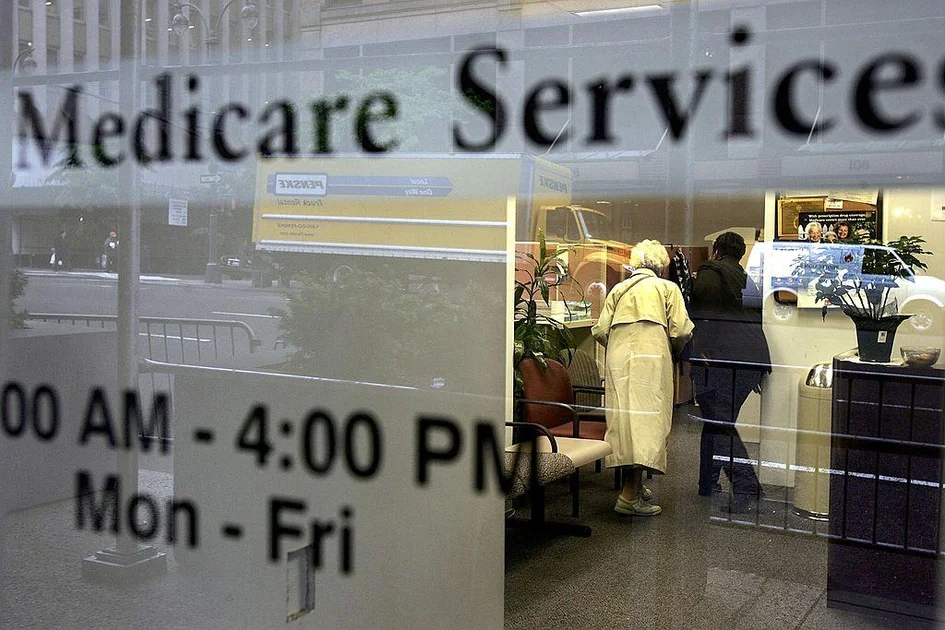
President Donald Trump announced Friday that his administration will send one-time payments of approximately $90 to more than 20 million Medicare Part B enrollees to help offset monthly premium costs. According to a White House fact sheet, the payments will be distributed in early October—either via direct deposit or paper check—to seniors registered with Medicare.
Trump said the funds, totaling roughly $2 billion, will come from the Medicare Improvement Fund, which he characterized on Truth Social as a "pointless 'Slush Fund'" that has been used by Democrats to pay for "Waste, Fraud, and Abuse." The announcement marks the latest in a series of financial promises the president has made ahead of November's midterm elections, including a proposed $5,000 dividend to all adult citizens if Republicans retain control of Congress and $500 payments to nearly 1 million Americans for what the administration describes as excessive Affordable Care Act fees.
Medicare Improvement Fund Under Scrutiny
The Medicare Improvement Fund was originally allocated by Congress to strengthen the Medicare fee-for-service program. Trump's use of the fund for direct payments represents a significant departure from its intended purpose, though the administration maintains it is cutting through bureaucratic waste to deliver relief directly to seniors.
Financial Pressures Mount for Medicare Advantage Plans
The payment announcement comes as Medicare Advantage providers face mounting financial challenges. In Hawaii, the Hawaii Medical Service Association (HMSA) is overhauling its Medicare Advantage offerings for 2027, closing two higher-option PPO plans—Akamai Advantage Complete Plus and Standard Plus—at the end of the year. Approximately 16,000 members will be disenrolled on Dec. 31 unless they select alternative coverage or enroll in new HMSA plans at higher premiums.
"It was a hard decision," said HMSA CEO Mark Mugiishi. "It wasn't something that was made easily or lightly." He cited rising healthcare costs and broader industry pressures, noting that major national insurers are also scaling back Medicare Advantage offerings or exiting markets entirely. The changes take effect as the annual open enrollment period runs from Oct. 15 to Dec. 7. Affected members who do not enroll in another plan will automatically return to traditional Medicare on Jan. 1, which does not include prescription drug coverage.
Members Express Shock and Confusion
The initial response from Hawaii members has been emotional. Marla Malinski, a 72-year-old Hilo resident and two-year lung cancer survivor, said she was blindsided by the notice. "I read it over several times, hoping I read it wrong or missed something," she said, describing herself as in tears after learning her coverage was ending and rates would be increasing.
Political Timing Raises Questions
The $90 payments arrive as Trump's approval rating has been low over his handling of the high cost of living, which has been exacerbated by spiking oil and gas prices during the U.S.-Israeli war on Iran. With control of Congress at stake in the midterms and Republicans holding a narrow majority in both chambers, the payments are widely seen as an effort to appeal to older voters—a key demographic in swing districts.
Analysts and even some Republicans in Congress reacted with skepticism to Trump's earlier $5,000 check proposal, questioning its fiscal feasibility. The $90 payments are more modest but still represent a significant use of federal funds for direct voter-facing disbursements.
Broader Implications for Seniors and the Healthcare Market
The combination of one-time federal payments and private insurer pullbacks highlights the fragile state of America's healthcare safety net for seniors. While the $90 checks may provide temporary relief, they do not address the structural issues driving up premiums and reducing plan options. The Congressional Budget Office has previously warned that Medicare's trust fund faces depletion by the early 2030s if current trends continue.
For millions of seniors, the coming weeks will bring both a small financial boost and, for some, difficult decisions about their coverage. As open enrollment begins, advocacy groups are urging beneficiaries to review their options carefully, especially those in markets where insurers are scaling back.
The administration has not indicated whether additional payments will follow, leaving seniors and industry watchers to wonder if this is a one-time gesture or the beginning of a new approach to Medicare cost relief.
Comments