
Washington Braces for Historic IndyCar Race as Freedom 250 Grand Prix Takes Over the National Mall
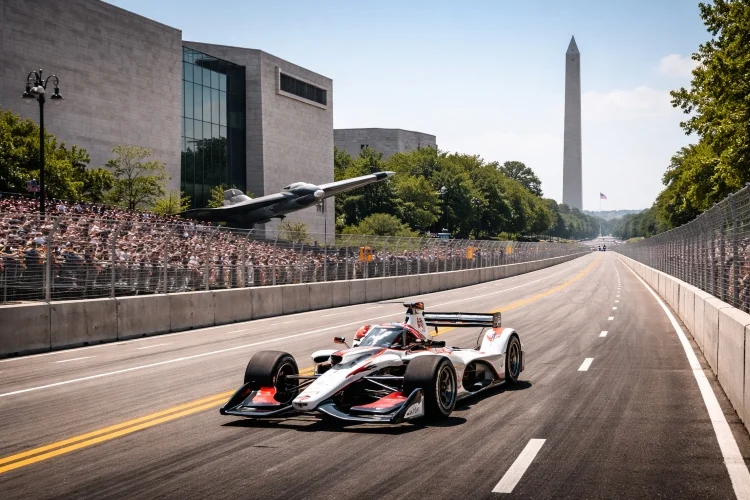
This weekend, the nation's capital will host an unprecedented spectacle: the Freedom 250 Grand Prix, an IndyCar street race winding through the National Mall and past iconic landmarks. Scheduled for Saturday, Aug. 22, and Sunday, Aug. 23, 2026, the event marks the first auto race ever held in the heart of Washington, D.C., and serves as a centerpiece of the nation's 250th anniversary celebrations. With the race just days away, officials have released extensive lists of parking restrictions and street closures, while President Donald Trump has confirmed he will take an honorary lap in the presidential limousine before the green flag drops.
The temporary 1.7-mile, seven-turn circuit begins and ends near the U.S. Capitol, runs along Pennsylvania Avenue, and curves around the National Archives, offering a dramatic backdrop of American democracy. According to a White House official, President Trump and first lady Melania Trump are expected to attend, with festivities beginning at 11:30 a.m. Sunday, including military flyovers, and the race starting shortly after 1 p.m. The president's ceremonial lap in “The Beast” will follow the same route the IndyCar drivers will later navigate at speeds approaching 200 mph, adding a layer of political and ceremonial significance to an already historic sporting event.
Street Closures and Security Restrictions Disrupt Daily Life in the Capital
The buildout for the Freedom 250 has transformed the National Mall area into a construction zone, with grandstands, finish lines, and corporate signage sprouting near the Capitol. For residents, commuters, and tourists, the changes have been drastic. Parking restrictions began as early as July 12, 2026, with certain streets posted as Emergency No Parking, and more extensive closures took effect in stages. From Aug. 24 through Sept. 3, 2026, additional closures will support the breakdown of the event, meaning the disruptions will extend well beyond race weekend.
According to FOX 5 DC, key closures include sections of 3rd Street, 7th Street, 4th Street, Madison Drive, Jefferson Drive, Pennsylvania Avenue, Constitution Avenue, Independence Avenue, and Maryland Avenue. Many of these roads are already closed to vehicle traffic, with local access only for deliveries or museum employees. The restrictions have sparked frustration among neighbors and commuters, who face narrowed travel lanes, reduced parking, and inevitable delays. The New Republic noted that the roads around the Mall, normally bustling with tour buses and cars during peak tourist season, now appear eerily empty except for construction workers and barriers.
A Presidential Spectacle: Trump's Honorary Lap and Political Overtones
President Trump's involvement adds a distinctly political dimension to the race. The White House has framed the event as a celebration of America's 250th birthday, with spokesman Davis Ingle stating, “President Trump is ensuring America gets the spectacular birthday it deserves as we celebrate our 250th anniversary. The historic IndyCar race set to take place in our Nation's Capital will be one of the greatest and most iconic races in history.” The president's honorary lap is a first for an IndyCar event and is expected to draw significant attention, both from supporters and critics.
However, the president's track record with large-scale events has been a subject of controversy. The New Republic highlighted previous missteps, including a botched renovation of the Lincoln Memorial Reflecting Pool and a poorly attended state fair, and noted that Trump has blamed vandals for damage to the Mall's grass that was reportedly caused by his own Independence Day celebrations. Critics worry about the potential for further damage to national landmarks, especially with the added strain of a high-speed race. An oil spill during preparations has already caused millions in damage, according to an editor's pick in The New Republic, raising environmental concerns.
Security and Logistical Challenges
The race also presents significant security challenges. The event requires a high level of coordination among local and federal agencies, as the course runs through some of the most sensitive areas in the country, including near the White House and the Capitol. The extensive street closures are partly to meet security requirements, ensuring a safe environment for drivers, spectators, and officials. Motorists are advised to plan ahead and expect delays, with officials urging the public to use public transportation.
Public Reaction: Excitement, Skepticism, and Frustration
Public opinion about the Freedom 250 is divided. Some see it as a thrilling opportunity to bring world-class racing to the nation's capital, offering a unique way to celebrate the 250th anniversary of the Declaration of Independence. The virtual preview released earlier showed IndyCars racing past landmarks, which generated buzz among motorsports fans. For them, the event is a dream come true, a chance to see close-quarters racing on the streets of Washington.
Others, however, view the event as a political stunt that disrupts daily life and risks damaging treasured public spaces. The New Republic's coverage emphasized the visual incongruity of corporate signage and bleachers near the Capitol, calling the Mall a “sideshow.” Local residents and commuters have expressed frustration over the extended closures, which have made navigating the city more difficult. The tension between celebration and inconvenience is palpable, with small business owners near the route potentially facing reduced foot traffic during the construction period.
Environmental and Logistical Concerns
Environmental groups have also raised alarms about the race's ecological footprint, particularly after the reported oil spill. The National Mall is a delicate, heavily used green space, and the installation of barriers, grandstands, and other infrastructure could cause lasting damage. While organizers have promised restoration efforts, skeptics remain cautious. The long-term impact on the Mall's grass and the surrounding monuments is yet to be seen.
A Historic First: What This Means for Racing and Washington D.C.
Regardless of controversies, the Freedom 250 is a landmark event for both motorsports and the city. It marks the first time IndyCar has competed in the nation's capital, a venue more familiar with political rallies than racing. The event could pave the way for future street races in other iconic locations, potentially reshaping how the series selects its venues. The combination of high-speed racing and historic landmarks creates a compelling visual and marketing opportunity for both the series and the city.
For Washington, the race could boost tourism and showcase the city in a new light, attracting visitors who might otherwise not consider the capital as a sporting destination. The international media coverage is likely to be substantial, given the involvement of the president and the symbolic setting. The race is being touted as one of the highlights of the America 250 celebrations, a year-long commemoration of the nation's founding.
The Bigger Picture: Celebrating America at 250
The Freedom 250 Grand Prix is more than just a race; it is a manifestation of a broader effort to celebrate the nation's 250th anniversary in bold, public ways. The administration has been actively involved in organizing events that emphasize patriotism and American achievement, and this race fits squarely within that narrative. By staging an IndyCar event on the National Mall, the administration is making a statement about American innovation, speed, and grandeur.
However, the event also raises questions about the appropriate use of public spaces and the balance between celebration and preservation. As the country marks this historic milestone, the way these events are planned and executed will likely be scrutinized for years to come. The race's success or failure could influence future decisions about hosting large-scale events in sensitive areas.
A Weekend to Remember? Final Preparations Underway
As of Thursday, Aug. 20, crews are working around the clock to complete the course and ensure everything is ready for the green flag. The final list of closures and restrictions is available for motorists, and officials are encouraging everyone to plan their routes in advance. The race is expected to draw tens of thousands of spectators, transforming the area around the National Mall into a sea of racing fans.
One can only hope the event runs smoothly, but the shadow of past missteps looms large. The president's honorary lap will be a moment of high drama, merging the worlds of politics and sports in a way rarely seen. Whether the Freedom 250 will be remembered as a triumphant celebration or a cautionary tale remains to be seen. One thing is certain: this weekend, the eyes of the world will be on Washington, D.C., as the engines roar and history is made.
Race Schedule and Where to Watch
For those planning to attend, the race weekend kicks off on Saturday, Aug. 22, with practice and qualifying sessions, followed by the main event on Sunday, Aug. 23. The green flag is scheduled for shortly after 1 p.m., with the ceremony beginning at 11:30 a.m. Viewing areas are limited, and officials recommend using public transit due to the extensive closures. The race will also be broadcast nationally, allowing millions of Americans to watch the action from home.
As the nation celebrates its 250th birthday, the Freedom 250 Grand Prix stands as a testament to American audacity and love for speed. Whether you're a racing enthusiast or a skeptical observer, the event is impossible to ignore. For now, Washington, D.C., is gearing up for a weekend like no other, blending history, speed, and politics in a spectacular, and perhaps controversial, display.
Comments