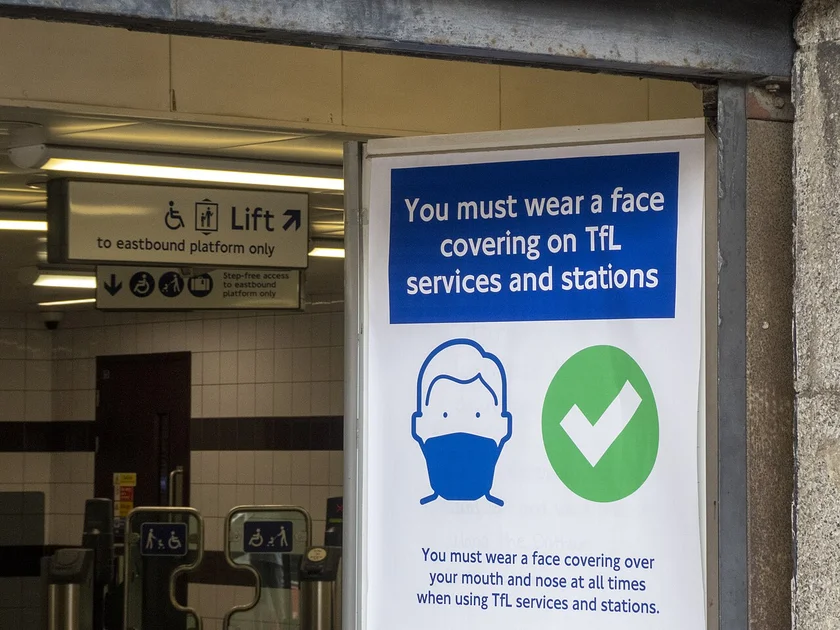
Transport for London, universally known as TfL, is the integrated transport authority responsible for managing most aspects of the transport system in Greater London. Established in 2000 under the Greater London Authority Act 1999, TfL operates under the oversight of the Mayor of London and serves as the backbone of daily movement for millions of residents, commuters, and visitors.
The Structure and Governance of TfL
TfL is a statutory corporation that reports to the Mayor of London, who sets its strategic priorities. A board of commissioners and directors oversees daily operations, while the Mayor appoints a Commissioner of Transport who leads executive functions.
Funding and Financial Model
TfL's income comes from a combination of fares, government grants, commercial revenue, and borrowing. Unlike many transport authorities in other global cities, TfL has been working toward reducing its dependency on central government funding. Fare revenue accounts for the largest share of its income, supplemented by advertising, property development around stations, and congestion charge receipts. The COVID-19 pandemic severely disrupted this financial balance, resulting in a series of emergency funding agreements with the UK government between 2020 and 2023.
Organisational Responsibilities
TfL's remit is broad. It manages the London Underground (the Tube), London Buses, the Docklands Light Railway (DLR), the Elizabeth line, London Overground, TfL Rail services, the Emirates Air Line cable car, the Santander Cycles hire scheme, river services, and the road network including the iconic Tower Bridge and Blackwall Tunnel. It also licenses taxis and private hire vehicles, including app-based services operating in the capital.
Key Services and Network Scale
The scale of TfL's network is considerable. London's public transport system is among the most extensive in the world, with TfL coordinating services used by approximately five million passenger journeys on the Underground alone each weekday before the pandemic.
The London Underground
The London Underground is the oldest metro system in the world, having opened in 1863. Comprising 11 lines and 272 stations spread across approximately 402 kilometres of track, it connects central London to outer boroughs and beyond. The Tube operates around 5 million journeys on a typical weekday. Upgrades to signalling systems, particularly on the Circle, District, Hammersmith & City, and Metropolitan lines, form a central part of TfL's modernisation programme.
The Elizabeth Line
Opened in full in 2022 after years of construction and delays, the Elizabeth line — also known as Crossrail — has transformed east-west travel across London. Running from Reading and Heathrow in the west to Shenfield and Abbey Wood in the east, it passes through newly built central stations including Paddington, Bond Street, Tottenham Court Road, Farringdon, Liverpool Street, and Canary Wharf. The line added significant capacity to London's rail network and has boosted economic activity along its route.
Cycling and Road Infrastructure
TfL also oversees the expansion of the cycling network through the Cycleways programme, formerly known as Cycle Superhighways. These dedicated, segregated routes aim to make cycling safer and more accessible. The Santander Cycles scheme, commonly called Boris Bikes after a former Mayor, has grown into one of the busiest bike-share systems in Europe, with thousands of docking stations across inner London.
Technology and Digital Innovation
TfL has been a pioneer in the application of technology to public transport management. The introduction of the Oyster card in 2003 revolutionised contactless payment for transit and served as a global model. Today, TfL accepts contactless bank card payments on all modes of transport, eliminating the need for a separate travel card for many users.
Data Openness and Real-Time Information
One of TfL's most significant contributions to urban mobility has been its open data policy. By making real-time travel data available through a unified API, TfL enabled a generation of independent app developers to build navigation and journey planning tools. Applications such as Citymapper owe their core functionality to this freely accessible data, improving the travel experience for millions without direct cost to TfL.
Future Developments
Looking ahead, TfL continues to explore zero-emission bus fleets, improved step-free access across the Tube network, and potential extensions to existing lines. The Bakerloo line extension and a new line through Sutton remain under consideration, though funding constraints continue to shape the pace of these projects.
TfL's Role in a Sustainable City
Beyond moving people, TfL plays a central role in London's environmental strategy. The Ultra Low Emission Zone (ULEZ), expanded in 2023 to cover all London boroughs, is administered through TfL's infrastructure. By charging older, more polluting vehicles to enter Greater London, the scheme aims to improve air quality and reduce carbon emissions. TfL also targets net zero carbon from its own operations, with commitments to clean energy procurement and fleet electrification forming key elements of its long-term strategy.
As London continues to grow and evolve, TfL remains a critical institution — balancing the immediate demands of millions of daily passengers with the long-term goal of building a cleaner, better-connected city.
Comments